Get your free personalized podcast brief
We scan new podcasts and send you the top 5 insights daily.
Bermuda's iconic white, stepped roofs are a vernacular architecture masterpiece. The steep pitch combats hurricane wind-lift, the steps slow rainwater for efficient collection into cisterns on a water-scarce island, and a lime wash coating purifies the water while reflecting heat to cool the home.

Related Insights
The U.S. prevalence for wood-framed housing is a matter of historical path dependency. Unlike Europe, which had largely deforested centuries ago, North America’s immense and cheap timber supply established wood as the default building material, shaping the industry's technology and labor skills.

Counterintuitively, data centers in arid regions like Arizona can be a net positive. They generate up to 50 times more tax revenue per gallon of water used than industries like golf, making them a highly efficient economic replacement.

An architectural feature designed for spectacle—the world's strongest light beam—had unforeseen ecological consequences. The intense light attracts a constant swarm of moths, which in turn attracts predators like bats and owls, creating a complete, self-sustaining food chain at the pyramid's apex every night.
Unlike a solid speed bump, a 'speed cushion' is a traffic calming device with wheel-wide gaps. This simple design innovation effectively slows down standard cars while allowing wider-axle vehicles like ambulances and fire trucks to pass through without slowing down, prioritizing emergency response.
A mix of old and new buildings is crucial for a vibrant neighborhood. Because new construction is expensive, it drives up rents, excluding smaller businesses and lower-income residents. Older buildings provide the affordable spaces necessary to foster a diverse economic and social ecosystem.
Governments in climate-vulnerable regions are increasingly using financial instruments like catastrophic bonds ('cat bonds') to manage risk. These bonds provide immediate capital for rebuilding after a disaster, offering a faster and more reliable source of funding than traditional aid channels and becoming a key part of resilience strategy.

The famously ornate manhole covers in Japan weren't just for aesthetics. A government bureaucrat initiated the project in the 1980s as a clever public relations campaign to raise awareness and appreciation for municipal sewer systems, aiming to garner public support for higher taxes to fund infrastructure improvements.
Despite an increase in extreme weather events like hurricanes, the average wind speed on land has dropped significantly. This counterintuitive phenomenon, known as "global terrestrial stilling," is likely caused by global warming reducing the temperature differential between the poles and the equator, which is the primary driver of wind.

Research shows people prefer architecture that mimics natural patterns like fractals and curved edges (e.g., Gothic cathedrals). These buildings are perceived as more natural and likable than rectilinear, 'brutalist' structures. This suggests built environments can offer some of nature's cognitive benefits by incorporating its design principles.

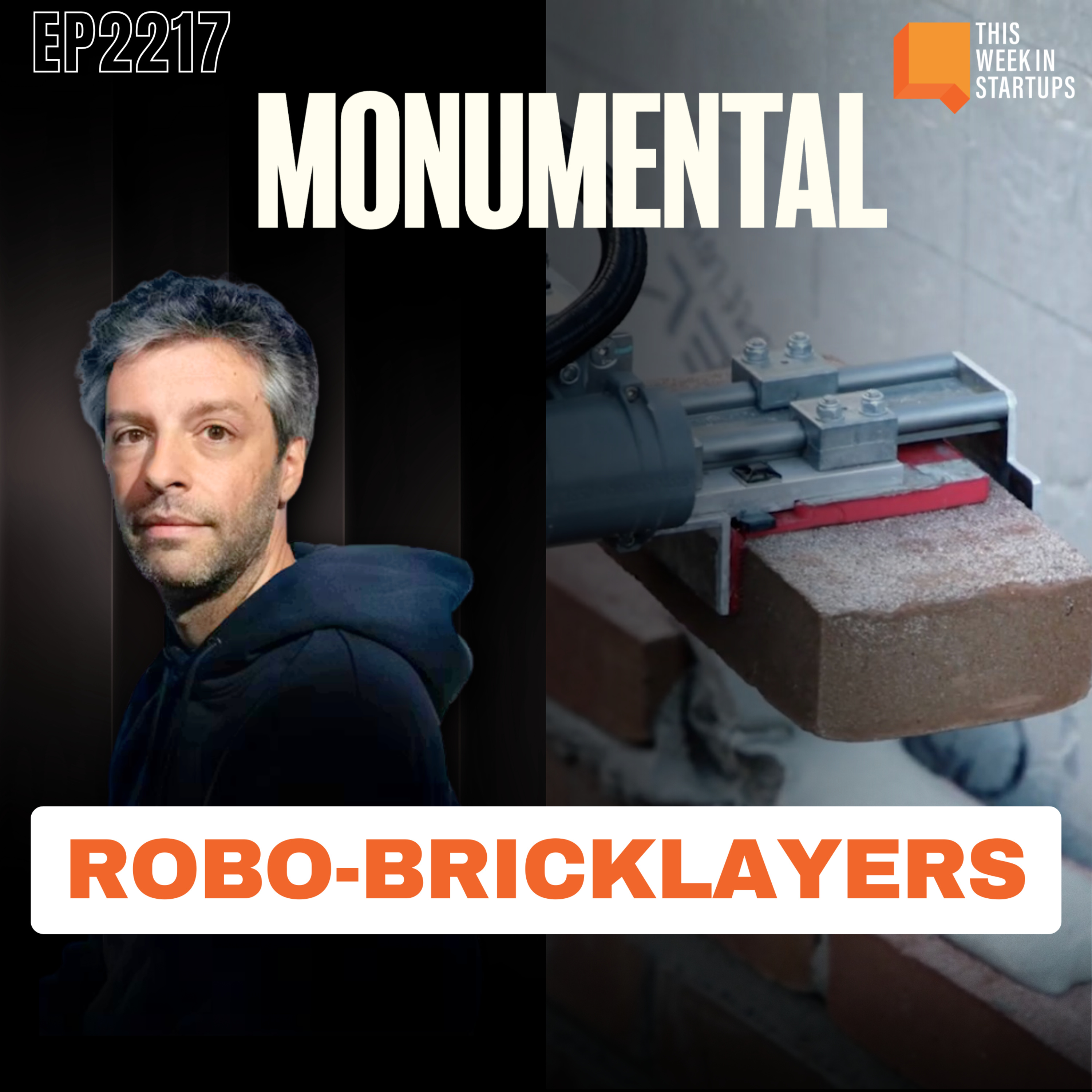
Automation in construction can do more than just lower costs for basic structures. Monumental's robots can create complex, artistic brick patterns and designs at the same speed and cost as a standard wall, potentially democratizing access to beautiful and diverse housing aesthetics.