Get your free personalized podcast brief
We scan new podcasts and send you the top 5 insights daily.
The emergence of free nicotine pouches at tech firms like Palantir marks a pivot from wellness perks like kombucha and nap pods. This reflects a broader cultural and economic shift where corporate priorities are moving towards maximizing output and focus, even by endorsing stimulants.

Related Insights
While motivational speeches and office amenities are often cited as culture-builders, the most effective way to create a positive and engaged company culture is simply to win. Success itself is the ultimate motivator, making everyone excited to contribute and perform at their best.
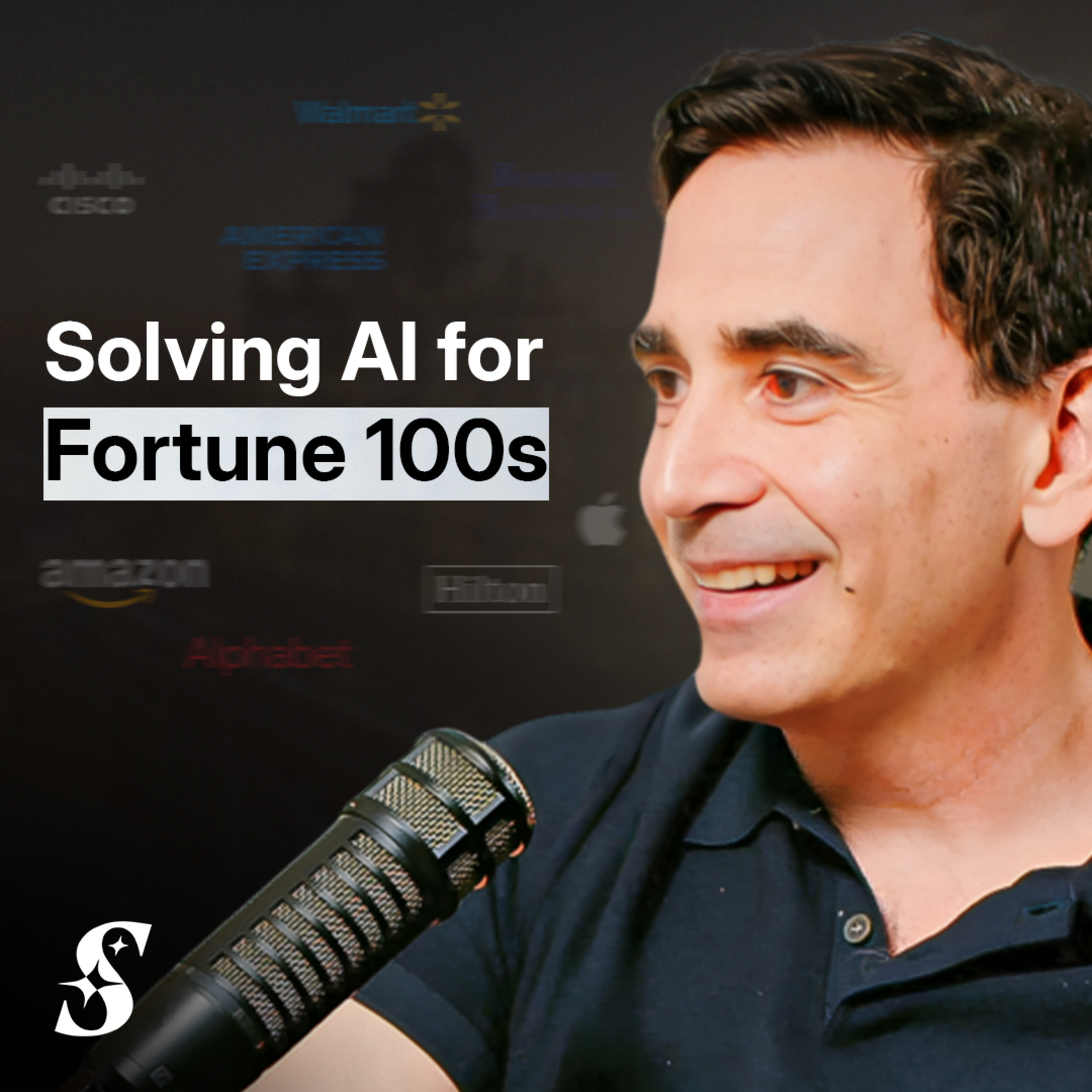
There's been a stark shift in founder culture over the last decade. Previously, intense focus on health was frowned upon, and business was done over drinks. Now, health is viewed as a performance lever, with corporate events prioritizing wellness activities like saunas over traditional entertainment.
In competitive tech culture, professionals use weight-loss peptides not just for aesthetics but to suppress 'food noise'—the mental distraction of hunger. This allows them to skip meals and maintain focus for extended periods, treating the drugs as productivity enhancers.

Managers misinterpret Gen Z's demands for flexibility and rapid promotion as laziness. In reality, new income streams, like earning $50,000 a year from TikTok brand deals, give them unprecedented leverage and options, forcing a necessary evolution in management and retention strategies.

Contrary to popular belief, Gensler's research and internal experience show that younger employees are the most eager to return to the office. They recognize that in-person work is critical for learning, mentorship, and building the "social capital" necessary for long-term career growth.

Employee disengagement and burnout, fueled by a "hustle culture," represent a tangible financial drain. This includes nearly $9 trillion in lost productivity globally and over $125 billion in U.S. healthcare spending, reframing the issue from a soft problem to a hard business cost.

Instead of mandating a return to office, create an appealing environment people *want* to be part of. Use "carrots" like a beautiful office, high-value summits, and flexible coworking budgets. The soft pressure comes from sharing photos and creating a sense of a vibrant, connected in-person culture (FOMO).

A company's rate of aging is directly correlated with its layers of hierarchy. By maintaining a very flat structure, 20-year-old Palantir "anti-ages," retaining the fresh, agile vibe and rapid decision-making of a young startup while possessing the scale and knowledge of a mature company.
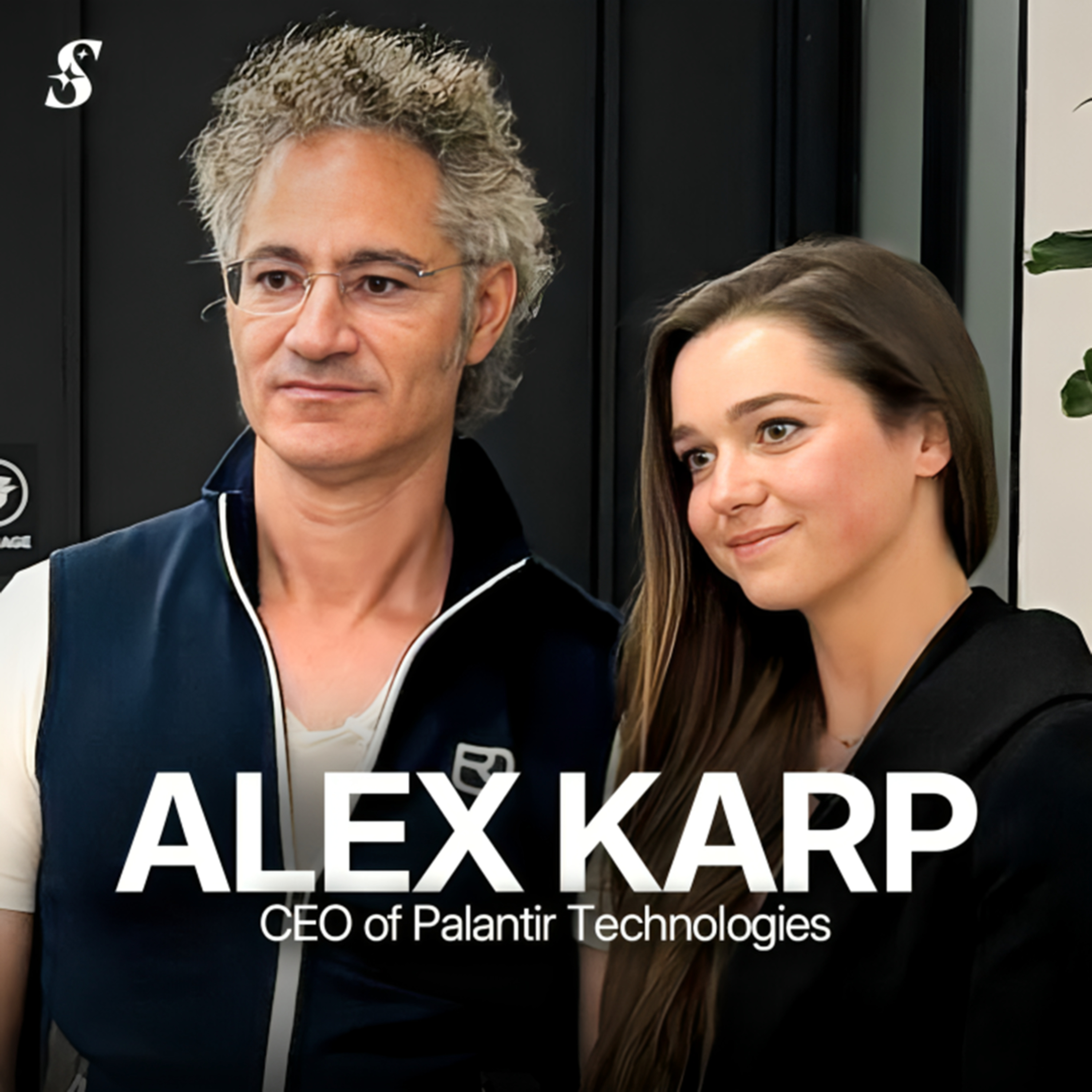
The post-pandemic shift to remote work has led to the decline of the corporate happy hour. This trend disproportionately hurts junior staff who lose a valuable, informal setting for mentorship, networking with leadership, and building crucial relationships outside of formal meetings.
Unlike previous generations who valued privacy, employees under 30 expect supervisors to recognize when they are struggling with mental health or burnout and to offer solutions. Two-thirds of this demographic expect this proactive support, forcing a fundamental shift in management style.
