Get your free personalized podcast brief
We scan new podcasts and send you the top 5 insights daily.
Coke creates a perceived rivalry between Coke Zero and Diet Coke. This strategy attracts different demographics (younger consumers vs. boomers) and captures the entire growth of the "zero sugar" soda market, effectively sidelining competitors like Pepsi.

Related Insights
The Diet vs. Zero soda battle demonstrates that for quick, everyday purchases, consumers rely on surface-level cues. The branding and associated identity ("scarcity" vs "wellness") drive decisions more than the product's actual composition, which is often nearly identical. The label effectively becomes the product.

Being the market leader can stifle creativity, leading to complacency and a reliance on "we've always done it this way." Challenger brands (number two, three, or four) are often forced to be more creative and nimble to unseat the leader, resulting in fresher, more innovative marketing strategies.

Instead of a single national campaign, Pepsi armed its local bottlers with camcorders to run the "Pepsi Challenge" in their own communities. Using local TV spots with real people, they created an authentic, grassroots movement that a centralized giant like Coca-Cola was ill-equipped to counter.
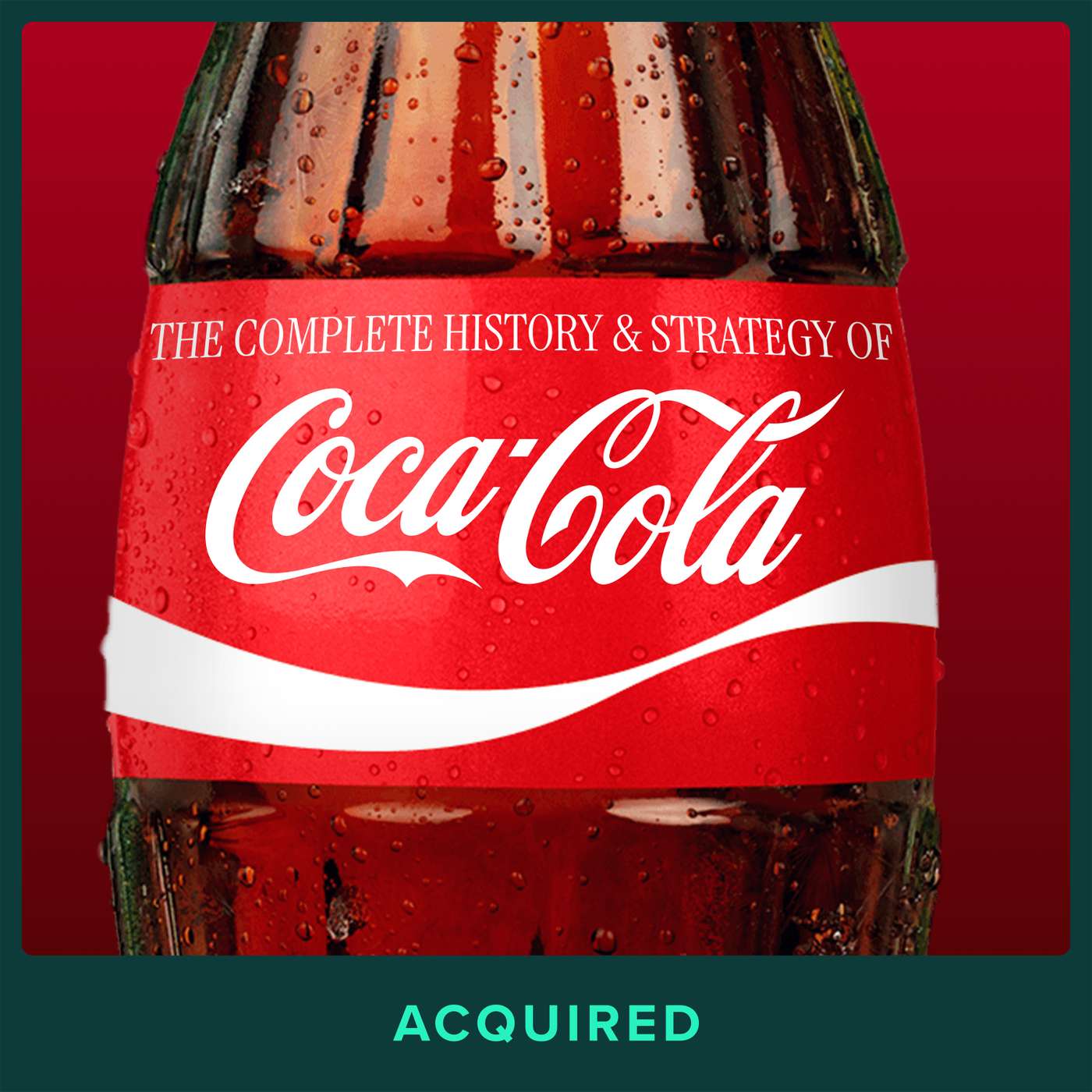
Coca-Cola markets a sugary beverage with no nutritional value by completely ignoring product attributes. Instead, its brand is built on emotionally resonant stories of happiness and togetherness, proving that a powerful intangible idea can be more persuasive than the tangible product itself.

To break a decades-long stalemate with Pepsi, a Coca-Cola CEO reframed their market from "share of soda" to "share of all liquids." This shifted their market share from 50% to 0.5%, unlocking new growth avenues like bottled water (Dasani) and ultimately dominating the beverage industry.

As consumers shift away from sugary drinks, Coca-Cola's dominance in the diet and health-conscious space is a key driver of its outperformance. Americans drink 2.5 times more Diet Coke than Diet Pepsi, and Coca-Cola was quicker to expand into adjacent healthy categories like protein shakes, capturing a consumer base that Pepsi struggles to win.
When Bud Light faced a boycott and lost its #1 spot, the new top beer became Michelob Ultra. Since AB InBev owns both brands, the financial impact was blunted. This "right pint, left pint" strategy shows how a portfolio of similar but distinct brands can act as a powerful hedge against controversy.
The disastrous "New Coke" launch, intended to win taste tests, triggered a massive public outcry that demonstrated the brand's deep cultural power. By bringing back "Coca-Cola Classic," the company inadvertently created the most effective marketing campaign imaginable, reminding consumers of their love for the original and halting Pepsi's momentum.
You don't need to be a true monopoly to dominate a market. Brands like Coca-Cola and Pepsi, while operating in a competitive landscape, have built such powerful moats through brand, scale, and distribution that retailers are forced to carry their products, effectively giving them monopoly-like power.
The success of "Zero Sugar" sodas over "Diet" sodas, despite being nearly identical products, reveals a generational shift in values. Younger consumers reject the restrictive connotations of "dieting" and embrace the positive, wellness-focused language of "zero," which aligns with a lifestyle of health optimization.