Get your free personalized podcast brief
We scan new podcasts and send you the top 5 insights daily.
The founder's number one piece of advice is to get the co-founder relationship right. While you can pivot ideas, raise more funding, or change markets, replacing a co-founder is incredibly difficult. A strong, complementary founding team is the foundation for overcoming all other startup challenges.

Related Insights
For hardworking and talented individuals, the single most important variable for success is the project they choose. Working on a weak market opportunity or a poor founder-fit project can waste years of effort, regardless of skill.

Co-founding a business is often harder than a marriage, yet receives far less diligence. The probability of two individuals maintaining perfect alignment on effort, finances, and vision over many years is incredibly low, making solo ventures statistically safer.

Non-technical founders can attract technical co-founders by first building a manual, non-scalable version of their product. This creates a user base of passionate early adopters who are mission-aligned. The ideal co-founder is often among these first users, as they have already demonstrated belief in the solution.

To predict the future health of a partnership, intentionally have difficult conversations before any investment is made. If you can't productively disagree or discuss serious problems before you're formally linked, it's highly unlikely you'll be able to do so when the stakes are higher post-investment.

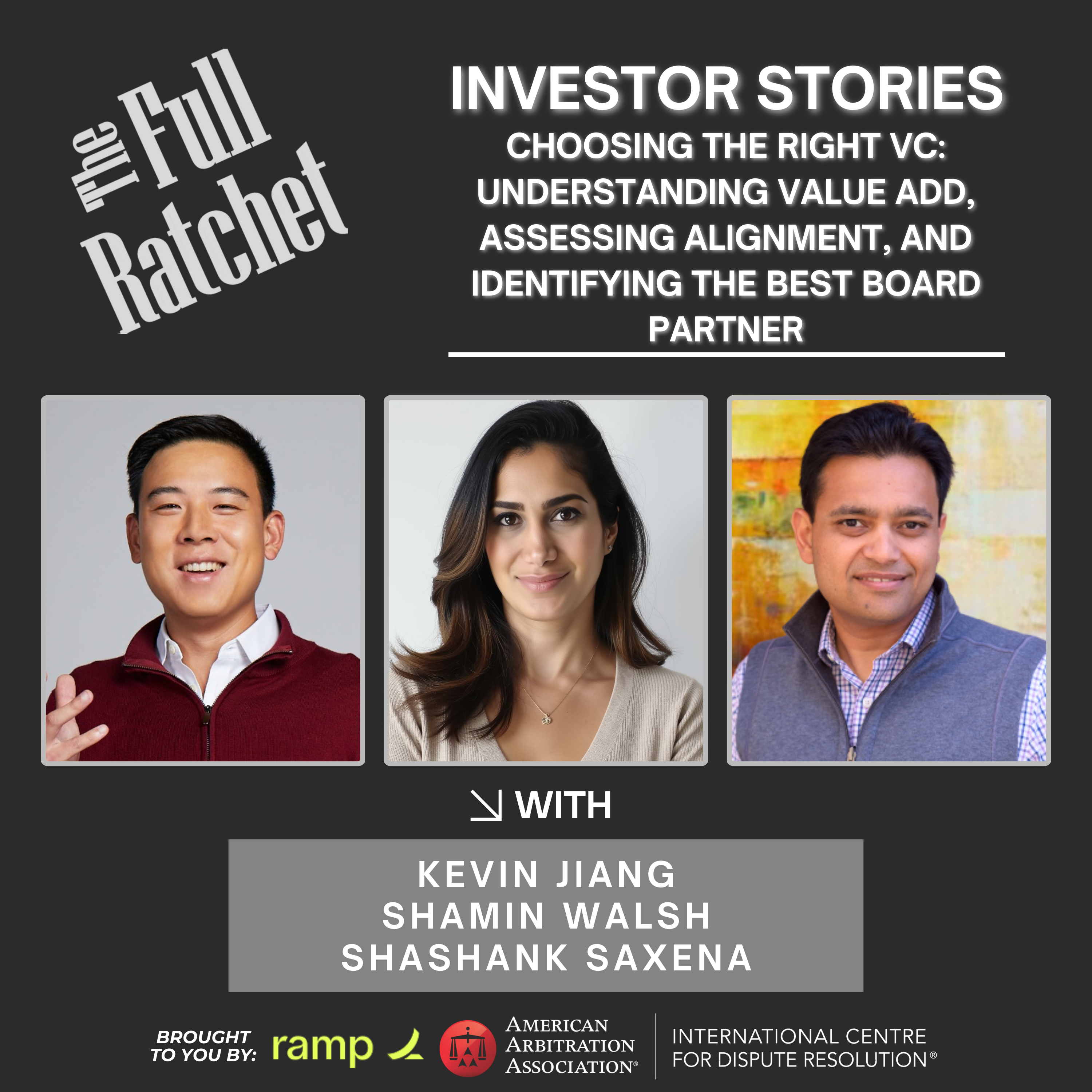
When fundraising, the most critical choice isn't the VC fund's brand but the specific partner who will join the board. Sophisticated founders vet the individual's strengths, weaknesses, and working style, as that person has a more direct impact on the company than the firm's logo on a term sheet.
Delaying key hires to find the "perfect" candidate is a mistake. The best outcomes come from building a strong team around the founder early on, even if it requires calibration later. Waiting for ideal additions doesn't create better companies; early execution talent does.

Technical competence is the easiest part of a technical co-founder to evaluate. The real risks lie in misaligned goals (lifestyle vs. unicorn), personality clashes, and incompatible work styles. Prioritize assessing these crucial "human" factors first.

A truly exceptional founder is a talent magnet who will relentlessly iterate until they find a winning model. Rejecting a partnership based on a weak initial idea is a mistake; the founder's talent is the real asset. They will likely pivot to a much bigger opportunity.

Granting a full co-founder 50% equity is a massive, often regrettable, early decision. A better model is to bring on a 'partner' with a smaller, vested equity stake (e.g., 10%). This provides accountability and complementary skills without sacrificing majority ownership and control.

While complementary strengths are valuable, it's critical for partners to identify skills they both lack. Recognizing these shared blind spots is key to knowing when to bring in an employee, mentor, or coach to fill the gap, preventing the business from stalling in those areas.