Get your free personalized podcast brief
We scan new podcasts and send you the top 5 insights daily.
Recovering from a severe injury like a ruptured Achilles during the COVID-19 pandemic was paradoxically beneficial. The global shutdown eliminated the feeling of missing out on life, making a long, diligent rehab process more mentally manageable.

Related Insights
Experiencing and surviving a life-threatening event can act as a powerful filter, removing trivial concerns and narrowing focus onto what truly matters. This post-traumatic growth fosters a methodical, day-by-day consistency that is a key driver of long-term success in work and life.

Embracing and pushing through severe hardship, rather than avoiding it, forges character. It uncovers your hidden resilience, identifies your loyal allies, and provides a psychological inoculation against future challenges.

Facing a life-threatening illness can paradoxically improve performance. After his cancer diagnosis, the speaker's goals narrowed from "shooting for the moon" to a methodical, daily focus on incremental improvement. This post-traumatic growth eliminated distractions and fostered a consistency that led to elite success in both his running and professional careers.

While being wheeled into surgery for her leg amputations, Amy Purdy set three tangible goals, including snowboarding again that year. This act of forward-looking goal-setting provided a crucial sense of control and purpose during a moment of profound powerlessness.

Experiencing true suffering, such as caring for a dying parent, dramatically raises your nervous system's threshold for stress. This real-world hardship provides a new perspective that dissolves ego and makes lesser anxieties, like negative internet comments, feel insignificant by comparison.
A truly happy life doesn't mean avoiding all pain. Certain forms of stress and suffering, like difficult exercise, are integral to achieving deeper well-being. By providing contrast and building resilience, these negative experiences can increase one's total happiness over the long term.
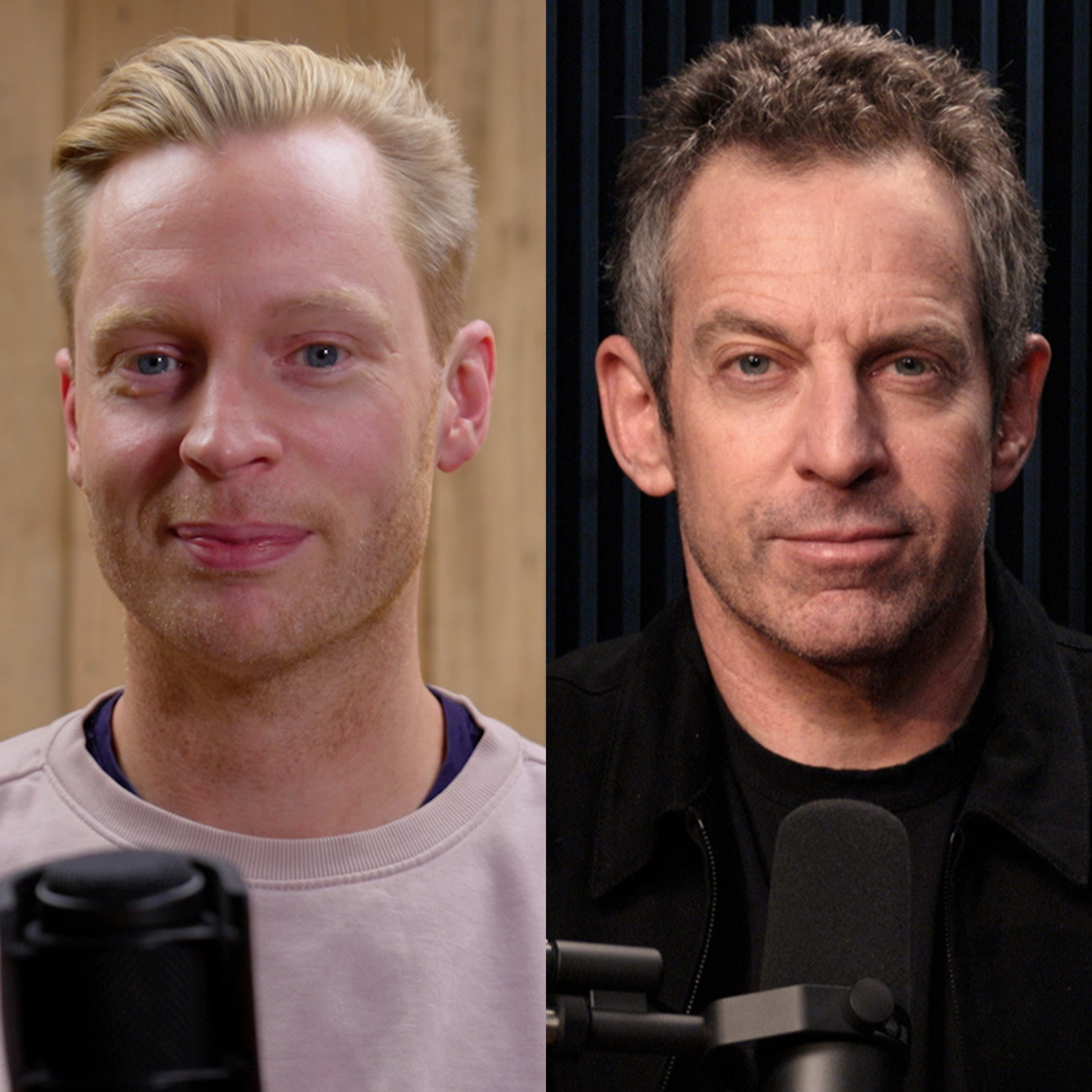
While discipline is essential, recovering from traumatic injury is powerfully accelerated by an external, high-stakes goal. The pressure of preparing for a film with Jason Statham provided a tangible target that dragged Bugsy Malone through painful rehab.
The toughest experiences you overcome serve as a new baseline for what you can handle. This "workload exposure therapy" teaches your nervous system that you can survive greater challenges, effectively unlocking a new level of resilience for the future.
Surviving massive stress—like losing a home or a business—builds resilience. It shows you your own strength, reveals who your true friends are, and provides a new perspective that makes future, smaller problems more manageable, acting like a psychological immunity boost.
A physical limitation can become a catalyst for profound mental growth. The inability to participate physically can force hyper-observation and introspection, leading to unique insights and strengths that would have otherwise remained undeveloped.