Get your free personalized podcast brief
We scan new podcasts and send you the top 5 insights daily.
Richardson says Democratic candidates from moderate to progressive are still to the right of Dwight Eisenhower, a Republican who had a 91% top tax rate and called for universal health care. She expects a backlash like FDR's, which preserved democracy and capitalism rather than imposing radical leftism.

Related Insights
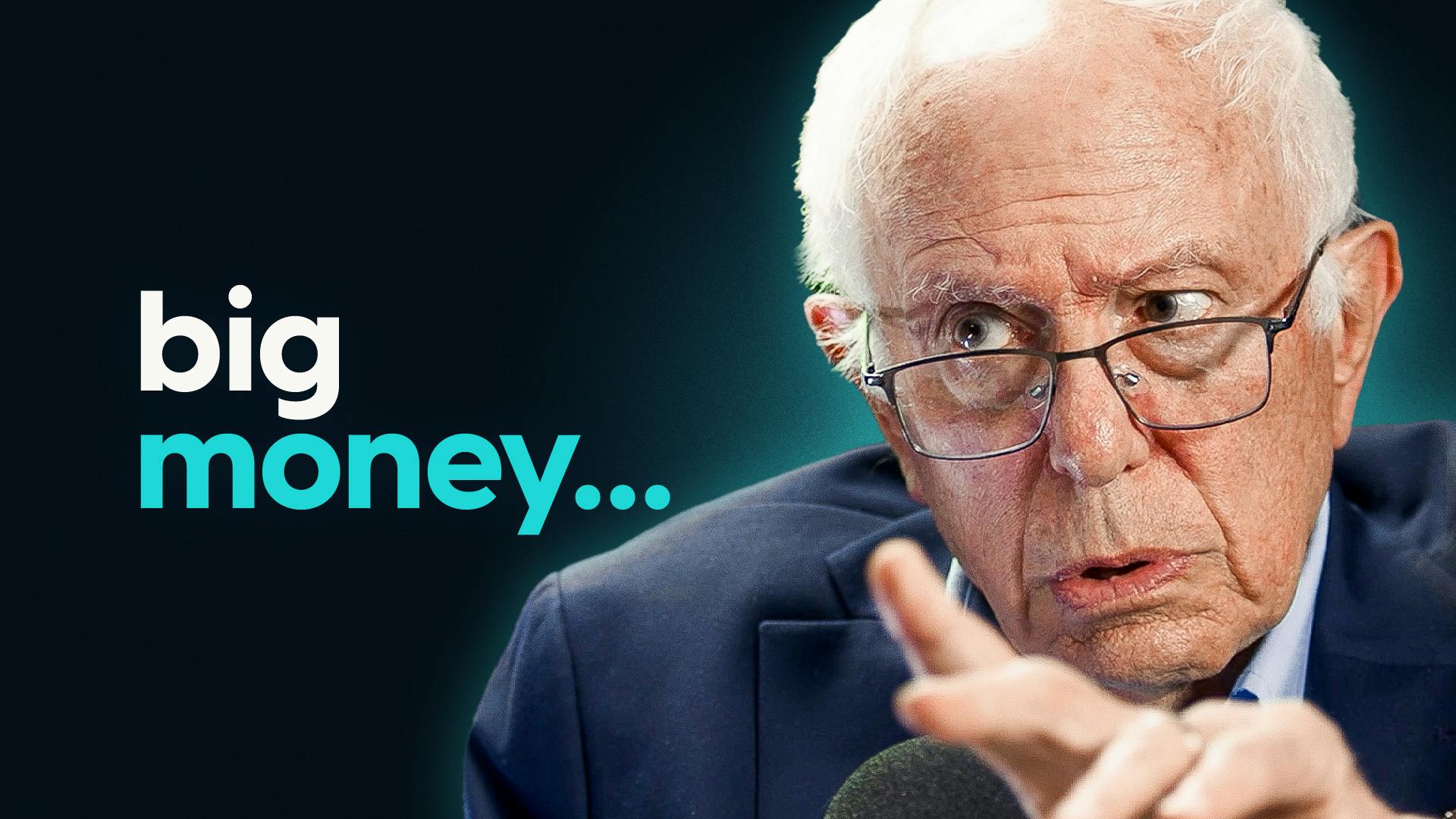
Senator Bernie Sanders argues the Democratic party, once the party of the working class, began courting wealthy donors in the 1970s. This strategic shift led them to neglect core economic issues, causing their traditional base to feel alienated and vote for candidates like Donald Trump.
The current Democratic push to expand the Supreme Court is a reversal of the party's historical principles. In the 1930s, FDR's own Democratic party killed his court-packing plan, calling it a 'needless, futile, and utterly dangerous abandonment of constitutional principle,' highlighting a shift from principle to political expediency.

Richardson contrasts Carnegie and Rockefeller, who still believed in the U.S. and separation of powers even while stacking the system, with today's powerful group. She says the current cabal has no faith in democracy and is actively trying to destroy the post-World War II rules-based order.
The Democratic party isn't monolithic. It comprises three key groups: the progressive Left (AOC), the pro-market/good governance "Abundance Libs" (Ezra Klein), and the partisan establishment "Resistance Libs" who are Gavin Newsom's core constituency. Understanding these divisions is key to predicting future primary outcomes.

Policies like universal education and environmental protection are often labeled "far-left." However, historian Heather Cox Richardson notes they align with Republican President Theodore Roosevelt's platform, which framed them as essential measures to preserve American democracy itself, not to advance a specific ideology.

Richardson compares today's Democratic field to the 1850s, when new figures emerged from ferment after the Whig-Democrat status quo failed. She says the American people created Lincoln, and similar bottom-up energy is producing candidates like John Ossoff now. Don't bet on the early frontrunner.
The purpose of high taxes on extreme wealth isn't just revenue. It's a crucial democratic safeguard that prevents individuals from accumulating enough power to "weaponize government," influence elections, and control political outcomes.

Instead of attacking wealth, a more effective progressive strategy is to champion aggressive, 'hardcore' capitalism while implementing high, Reagan-era tax rates on the resulting gains. This framework uses the engine of capitalism to generate wealth, which is then taxed heavily to fund public investments in infrastructure and education, creating a virtuous cycle.

The modern political spectrum has shifted so far right that even progressive Democrats hold positions to the right of Republican President Eisenhower. His policies, like a 91% top tax bracket and calls for universal healthcare, would be considered radical today.
Richardson says 1920s production gains stayed with a small group while popular imagery ignored struggling farmers and wage workers. After the 1929 crash, formerly comfortable Americans looked back at who ripped them off, producing a landslide shift to FDR. She sees a possible parallel in today's data-center backlash.