Get your free personalized podcast brief
We scan new podcasts and send you the top 5 insights daily.
Richardson contrasts Carnegie and Rockefeller, who still believed in the U.S. and separation of powers even while stacking the system, with today's powerful group. She says the current cabal has no faith in democracy and is actively trying to destroy the post-World War II rules-based order.

Related Insights
Unlike historical fascism which co-opted business, today's authoritarianism is arguably a product of finance capitalism. The concentration of wealth creates oligarchs who merge with the state, trading democratic norms for deregulation and profit in a speculative, symbol-driven economy.

Jeff Bezos and Mark Zuckerberg's obsequious behavior towards Donald Trump isn't just about buying influence. It reflects a dangerous transition from a pay-for-play democracy to a mob-style protection racket, where even the wealthiest must pay homage to political leaders to protect their fortunes.
According to Ray Dalio's historical analysis, today's severe wealth inequality creates irreconcilable political divisions and populism. This pattern mirrors past eras, such as the 1930s, where internal conflict became so intense that several democratic nations chose to become autocracies to restore order.
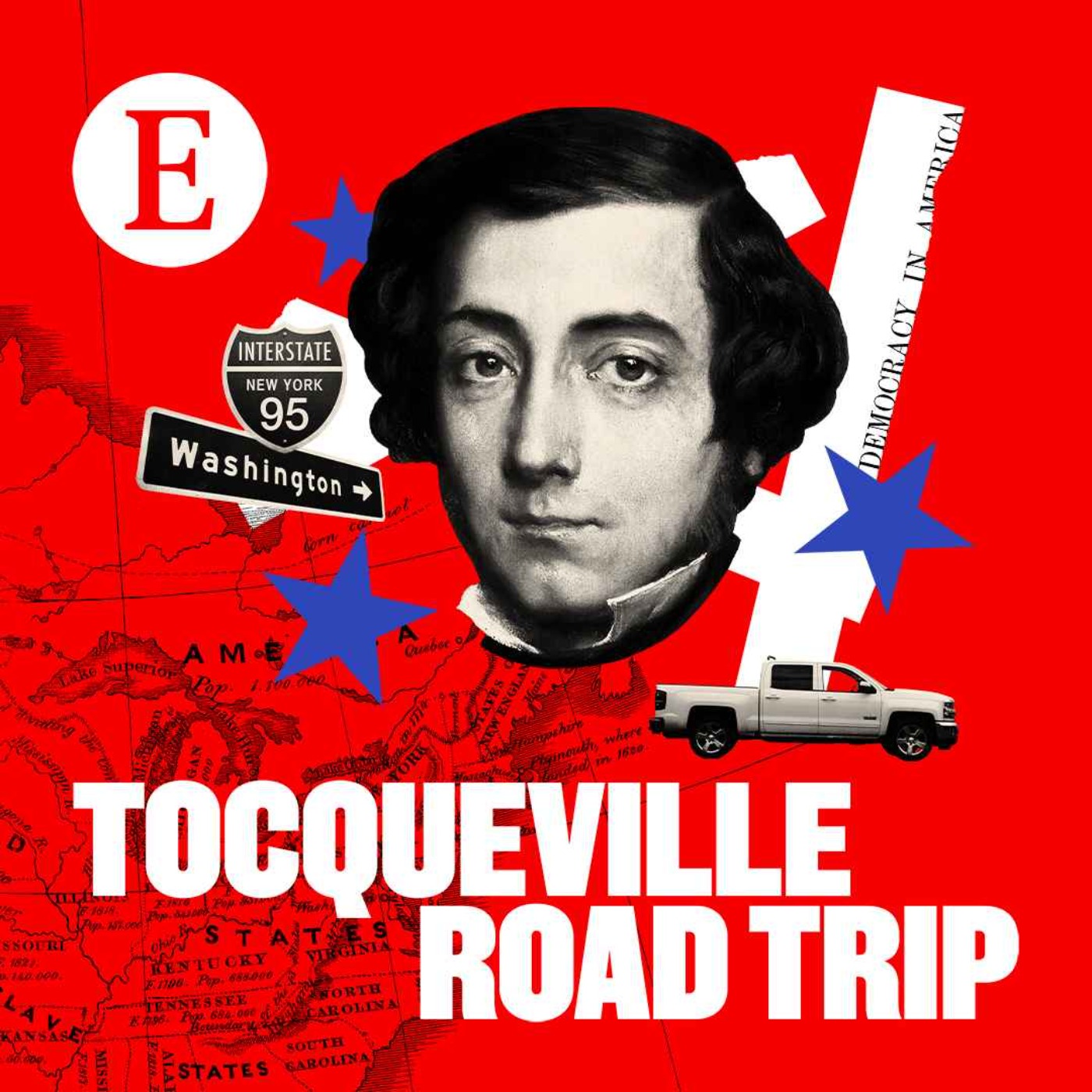
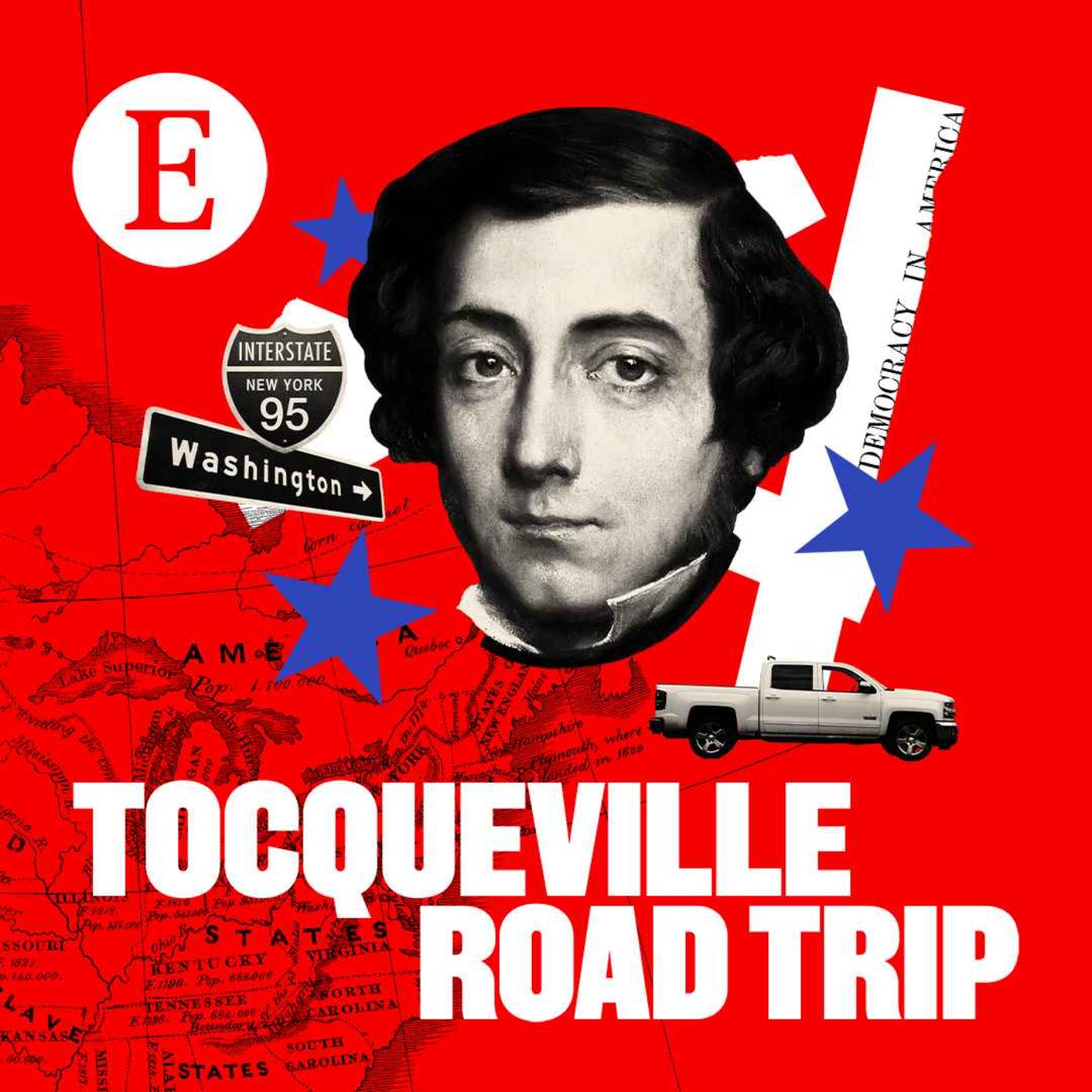
Tocqueville warned that if a new, permanent aristocracy were to arise in America, it would come from its industrialists. This foresight is now reflected in the immense wealth and political influence of the modern billionaire class, whose power rivals that of historical aristocrats and challenges democratic equality.
The World Economic Forum, once a bastion of thoughtful globalism, is shifting. Its attendees are becoming more aligned with Trump's transactional, oil-focused worldview, prioritizing personal prosperity and "getting in on the hustle" over upholding international law.

While the consolidation of wealth and power mirrors the Gilded Age, today's influential figures differ critically. Unlike their historical counterparts who still believed in the American system, a modern 'cabal' is actively trying to destroy democracy and the post-WWII global order.
Nearly 200 years ago, Tocqueville warned that if a permanent aristocracy emerged in America, it would come from the industrialist class. This forecast resonates today with the growing political influence of the modern billionaire class.
The focus of billionaire philanthropy has shifted from building physical public works (like libraries) to funding NGOs and initiatives that aim to fundamentally restructure society, politics, and culture according to their ideological visions.

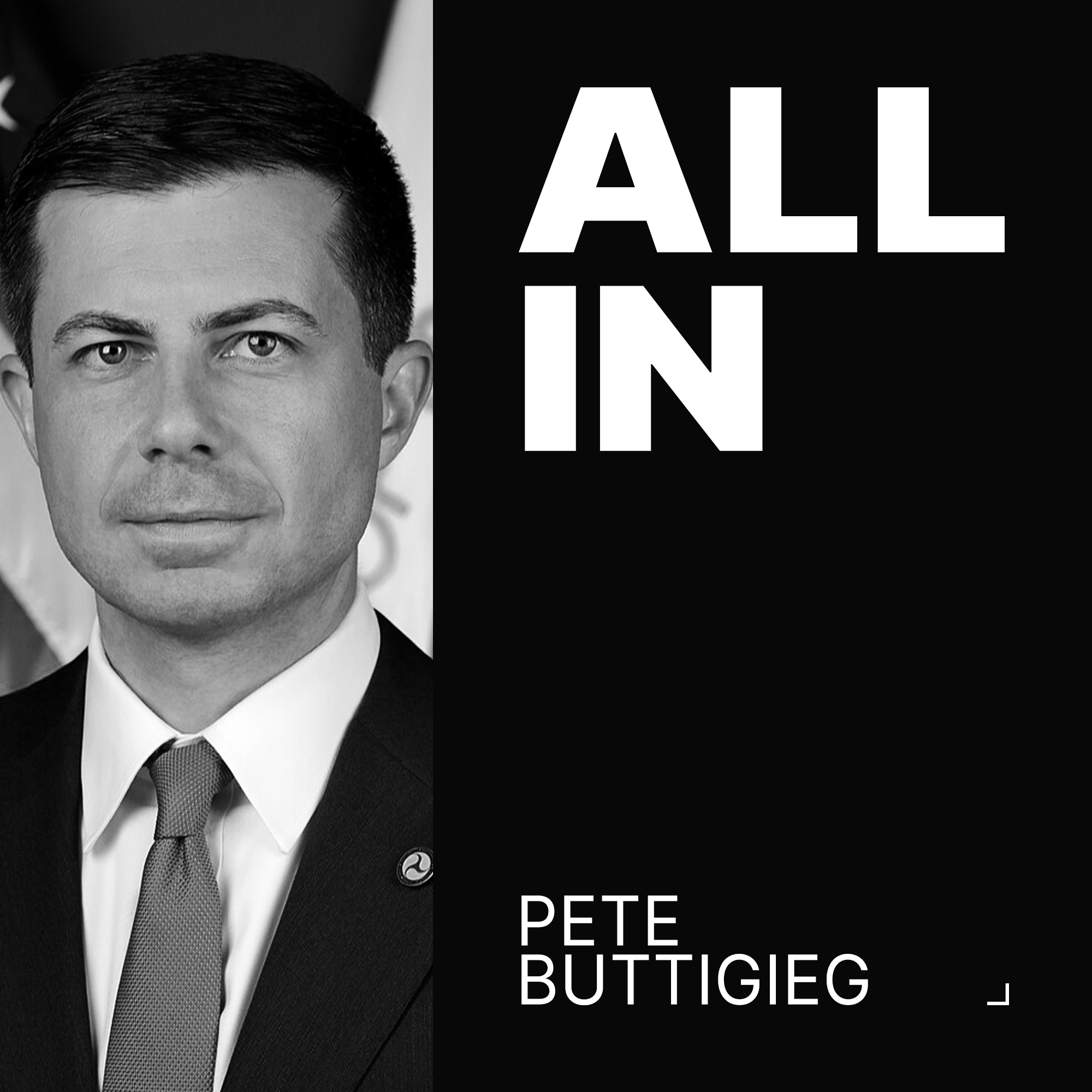
Buttigieg frames wealth inequality not just as an economic issue but as an existential threat to the American republic. He states that historically, no republic has been able to maintain its form of government after reaching the current level of wealth and power concentration seen in the U.S.
Don't expect corporate America to be a bulwark for democracy. The vast and growing wealth gap creates an overwhelming incentive for CEOs to align with authoritarians who offer a direct path to personal enrichment through cronyism, overriding any commitment to democratic principles.