Get your free personalized podcast brief
We scan new podcasts and send you the top 5 insights daily.
New targeted therapies are often approved only for first-line use. This forces clinicians into a difficult choice: using one effective drug like a checkpoint inhibitor means forfeiting the chance to use another, like zolbetuximab, in a subsequent line of treatment, thereby losing a valuable therapeutic option.

Related Insights
In the competitive oral SERD space for breast cancer, companies like Roche and AstraZeneca are differentiating not by proving superior degradation mechanisms but by pursuing approvals in first-line and adjuvant settings, sidestepping the crowded second-line market to find the biggest impact.

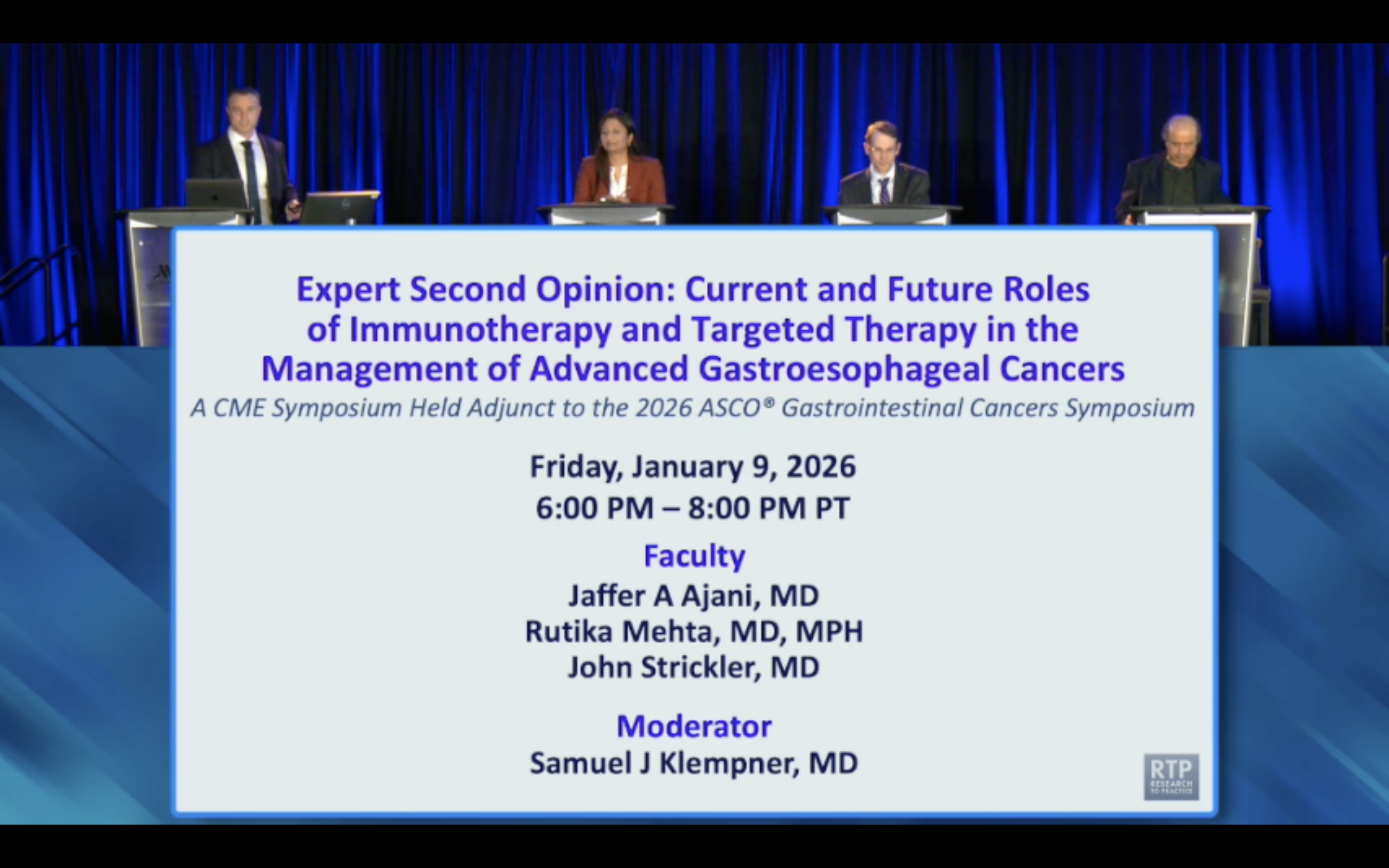
If gastroesophageal cancer does not respond to first-line zolbetuximab, experts advise against continuing it with a new chemo backbone. This is based on tumor heterogeneity and parallels with a negative trial of continuing trastuzumab past progression in HER2+ disease.

Even if randomized trials show zongertinib's efficacy is merely comparable to chemoimmunotherapy, its significantly milder safety profile—especially its lack of cardiac toxicity and manageable side effects—is expected to make it the preferred first-line choice. Patient quality of life and tolerability are becoming decisive factors in treatment selection.

Developers often test novel agents in late-line settings because the control arm is weaker, increasing the statistical chance of success. However, this strategy may doom effective immunotherapies by testing them in biologically hostile, resistant tumors, masking their true potential.

New targeted therapies like Zanidatamab and Zolbetuximab show great promise but cause significant side effects like diarrhea and nausea. Their successful clinical adoption hinges on proactive management using detailed guidelines and prophylactic medications, as toxicity can be severe enough to force treatment discontinuation despite the drug's efficacy.
In ROS1-positive NSCLC, starting with older TKIs before newer agents like Repotrectinib dramatically worsens outcomes. Median overall survival has not been reached after 5 years for TKI-naive patients but drops to just 25 months for those pre-treated with another TKI. This starkly quantifies the critical importance of using the most effective treatment first.
The long-standing platinum doublet backbone for frontline SCLC may soon be challenged. The high efficacy of novel agents like antibody-drug conjugates and bispecific antibodies in later lines is prompting trials that consider moving them into the first-line setting, a strategy previously considered "unthinkable."
Clinicians advise against continuing targeted agents like zolbituximab or trastuzumab after disease progression in gastroesophageal cancer. The biological heterogeneity of this cancer type means that if a targeted therapy isn't working, it's unlikely to provide benefit with a different chemotherapy backbone.
A key lesson in bladder cancer is that patient attrition is rapid between lines of therapy; many who relapse from localized disease never receive effective later-line treatments. This reality provides a strong rationale for moving the most effective therapies, like EV-pembrolizumab, to earlier settings to maximize the number of patients who can benefit.
Clinicians are hesitant to use newer, potentially safer non-covalent BTK inhibitors before established covalent inhibitors. While it's known that non-covalents work after covalents fail, the reverse is unproven, creating a one-way treatment path that reserves these newer agents for later lines of therapy.