Get your free personalized podcast brief
We scan new podcasts and send you the top 5 insights daily.
New targeted therapies like Zanidatamab and Zolbetuximab show great promise but cause significant side effects like diarrhea and nausea. Their successful clinical adoption hinges on proactive management using detailed guidelines and prophylactic medications, as toxicity can be severe enough to force treatment discontinuation despite the drug's efficacy.

Related Insights
Due to fedratinib's significant GI side effect profile and the logistical difficulty of measuring thiamine levels, clinicians should proactively provide patients with thiamine supplements, anti-emetics, and anti-diarrheal therapies. Instructing patients to take the drug with food can also help mitigate GI toxicity.
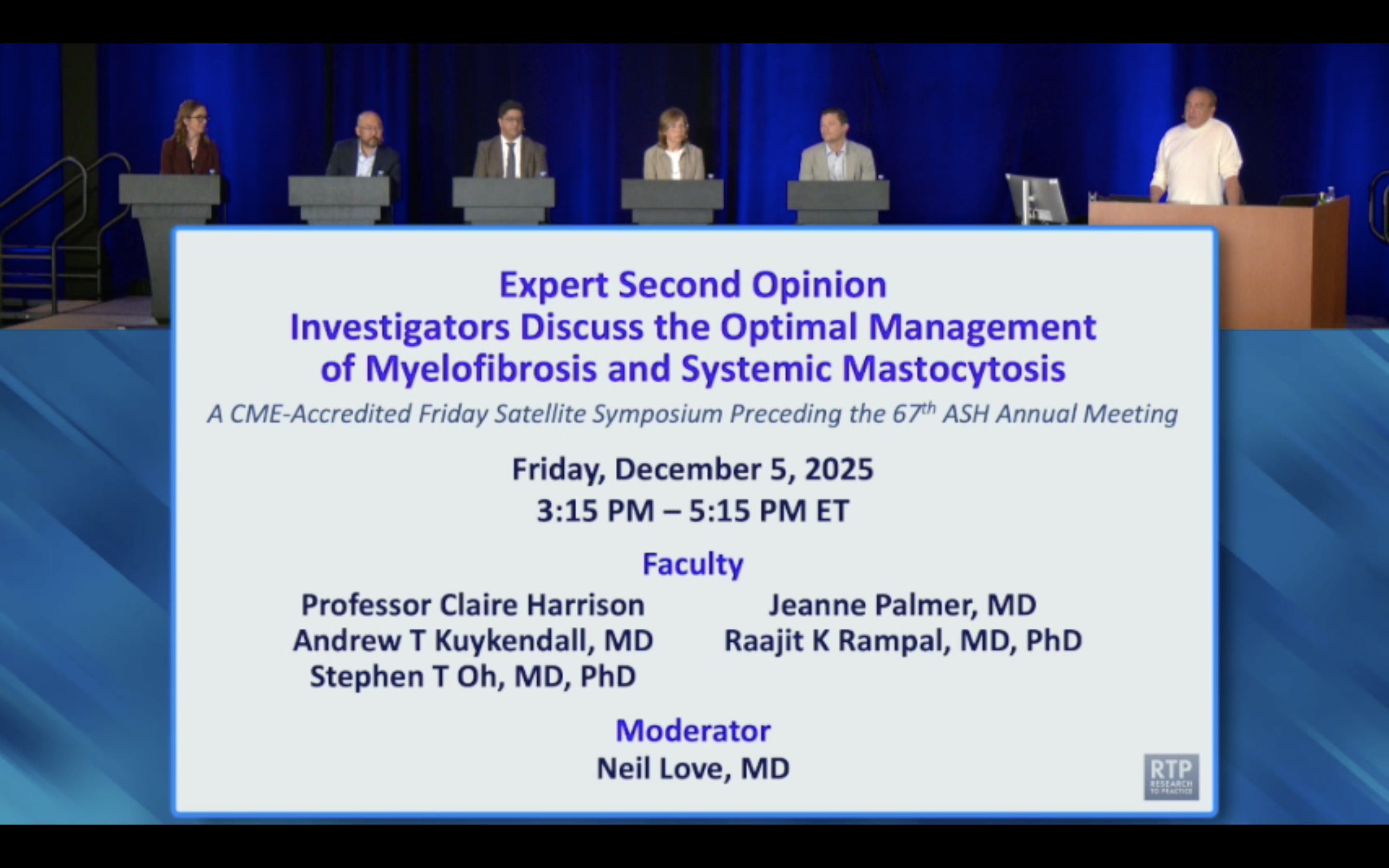
Clinical trials with zanidatumab revealed significant diarrhea primarily in the first cycle. The successful management strategy involves mandatory loperamide twice daily for the first seven days to improve tolerability and prevent treatment discontinuation, a crucial implementation pearl.
Drawing lessons from T-DXD, experts treat newer exatecan-payload ADCs like RDXD as highly emetogenic from the first dose. Instead of a 'wait and see' approach, they recommend aggressive premedication with a triple-drug antiemetic regimen to prevent nausea and maintain quality of life.
A patient's reminder that even clinically-graded "mild" side effects like grade 2 diarrhea can be debilitating highlights a disconnect between clinical assessment and patient experience. This underscores the need for oncologists to consider the real-world impact of toxicities, like the ability to leave the house, when choosing a treatment regimen.
The HORIZON-GEA-01 trial for zanidatumab in gastric cancer mandated prophylactic loperamide (4mg BID) for all patients. This was necessary to manage the high rates of diarrhea (up to 80% of patients), a significant GI toxicity associated with the drug's mechanism of action.

The development of PARP-1 selective inhibitors like seriparib signals a shift in drug innovation. Instead of only chasing higher efficacy, these new agents aim for a more favorable toxicity profile (less GI toxicity, fewer dose discontinuations) to improve patient quality of life and treatment adherence.
Clinicians are finding that forgoing the standard 800mg loading dose of zolbituximab and starting directly with the 600mg maintenance dose appears to mitigate acute gastrointestinal toxicity, particularly gastritis. This practical adjustment is being formally studied but is already used in practice to improve patient experience.
The Phase 2 TRAIT study suggests starting adjuvant abemaciclib at a lower dose and escalating over several weeks significantly reduces early discontinuations due to side effects like diarrhea. This strategy helps more patients get through the initial high-toxicity period and remain on the effective dose for the full two-year course.
As survival times for metastatic gastric cancer patients extend, managing long-term toxicity is paramount. Clinicians typically administer only 6-8 cycles of oxaliplatin to prevent severe, cumulative peripheral neuropathy, allowing for longer, better-tolerated maintenance therapy with biologics.
Despite being advanced targeted therapies, TROP2-directed ADCs present complex safety profiles. Oncologists must manage classic chemotherapy side effects like nausea and cytopenias alongside unique, serious toxicities including stomatitis, ocular issues, and potentially fatal interstitial lung disease, requiring specialized patient monitoring and counseling.