Get your free personalized podcast brief
We scan new podcasts and send you the top 5 insights daily.
While the market trends towards inclusivity, Aloyoga is launching in Europe with a hyper-exclusive, aspirational marketing campaign involving a $1M/week yacht for influencers. This strategy aims to build a powerful, exclusive brand identity that contrasts sharply with mass-market rivals like Lululemon.

Related Insights
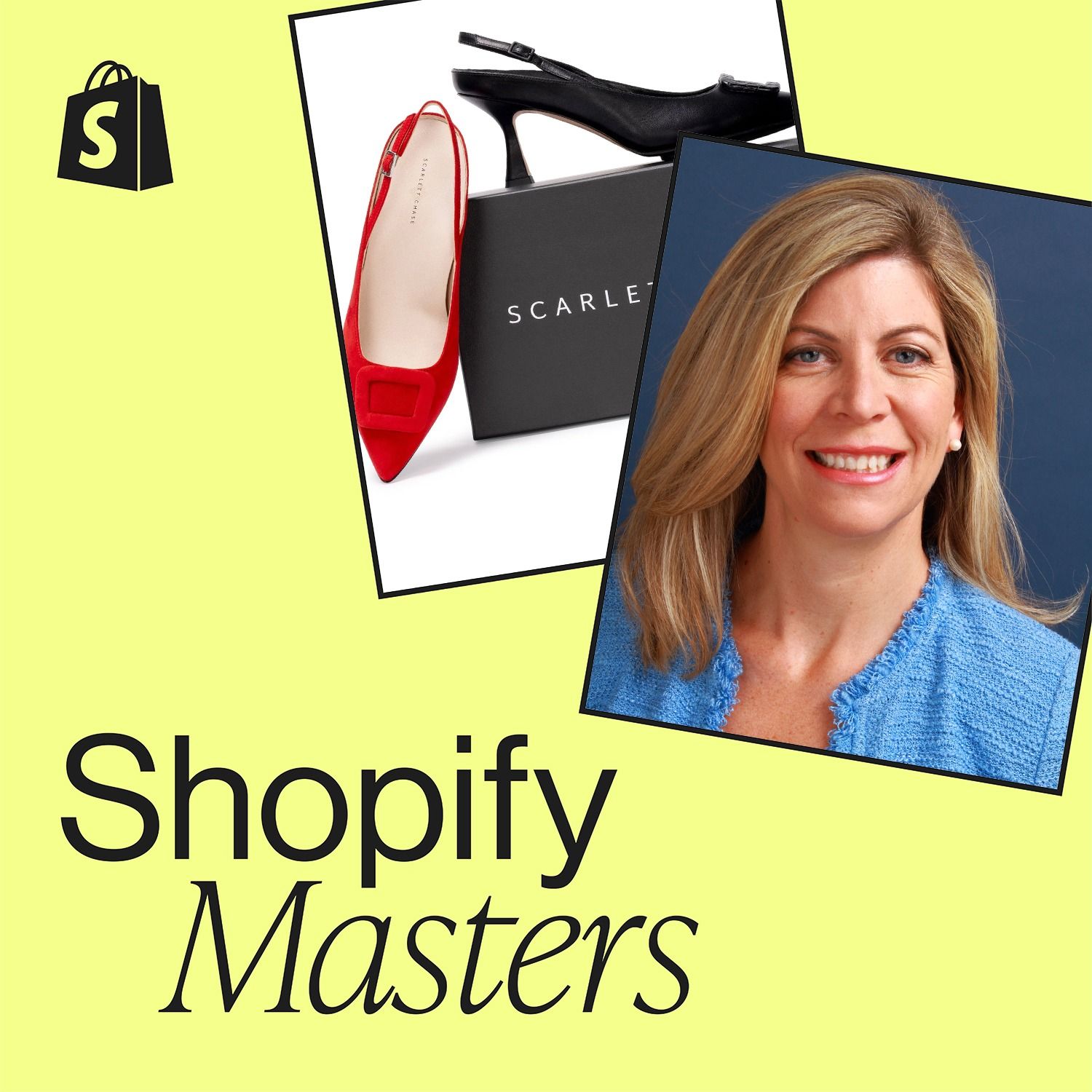
Instead of lowering prices to capture a wider audience, Scarlet Chase embraces a high-end niche. The founder's philosophy is that diluting the product's quality for broader appeal is a mistake. The strategy is to deliver exceptional value to a focused group of customers who can afford and appreciate the investment.
The entry of fashion-first brands like Skims, J.Crew, and Alo Yoga into ski apparel reflects skiing's transformation from a casual hobby into a luxury lifestyle choice. High costs and consolidation have made it an all-in commitment, similar to sailing or horseback riding, attracting brands that sell an image, not just gear.

For luxury brands, raising prices is a strategic tool to enhance brand perception. Unlike mass-market goods where high prices deter buyers, in luxury, price hikes increase desirability and signal exclusivity. This reinforces the brand's elite status and makes it more coveted.
Luxury travel brands can avoid commoditization by emulating Hermès. This involves maintaining scarcity (like waiting lists for bags), implementing moderate and sensible price increases, and preserving an exclusive, high-touch customer experience. This strategy builds long-term brand value over short-term volume growth.

Gucci's sales plummeted after it became too mainstream, violating the luxury rule that "aspiration and accessibility don't mix." The brand's decline after showing up in airport stores and on discount sites is a cautionary tale. A core turnaround strategy is to reclaim exclusivity, such as through a high-end tech partnership with Google for smart glasses.
While new competitors and shifting fashion trends are challenges, a core issue is Lululemon's strategy. They spend only 5% of revenue on marketing, relying on word-of-mouth. Competitors like On spend 10%, enabling high-profile celebrity deals and partnerships that Lululemon lacks, ceding cultural relevance.

Gymshark's CMO explains their strategy is to be hyper-focused on their core gym audience, even if it alienates others. Quoting an article, he says the world needs more brands "willing to have enemies." This mindset prevents brand dilution and strengthens their identity by not trying to be everything to everyone.

Associating a brand with extreme frontiers like space (Prada/NASA) or the arctic (Canada Goose) creates a powerful halo effect. Consumers perceive products proven in harsh conditions as inherently high-quality and worth a premium price, even for everyday use, effectively justifying a higher price point.
In a market saturated with "we're for everyone" messaging, brands must adopt a more exclusive and provocative stance to stand out. True brand love requires polarity; if nobody dislikes your brand, it's unlikely anyone truly loves it.

Erewhon has redefined the supermarket as a luxury brand. Through extreme pricing, exclusive locations, a $200/year paid membership program, and an Instagram-friendly aesthetic, it sells the experience of "being seen" and having taste. The groceries are secondary to the social signaling.
