Get your free personalized podcast brief
We scan new podcasts and send you the top 5 insights daily.
When assessing the triad of person, product, and market, investors will bet on an entrepreneur over a product. Lubetzky notes that most successful ventures do not finish with the product or service they started with. A strong, resilient entrepreneur can iterate and adjust a weak product to fit the market, whereas a great product without the right founder cannot survive inevitable setbacks.

Related Insights
Extensive diligence on a seed-stage company's market or product is often wasted effort. The majority of successful seed investments pivot to a completely different business model, making the founding team's quality and resilience the most crucial factor to evaluate.

After a career spanning public markets, private equity, and operating, the ultimate investment lesson is simple: bet on exceptional people in big markets. Great founders will always figure out execution and pivots, making the person a more valuable signal than the initial idea or short-term traction.
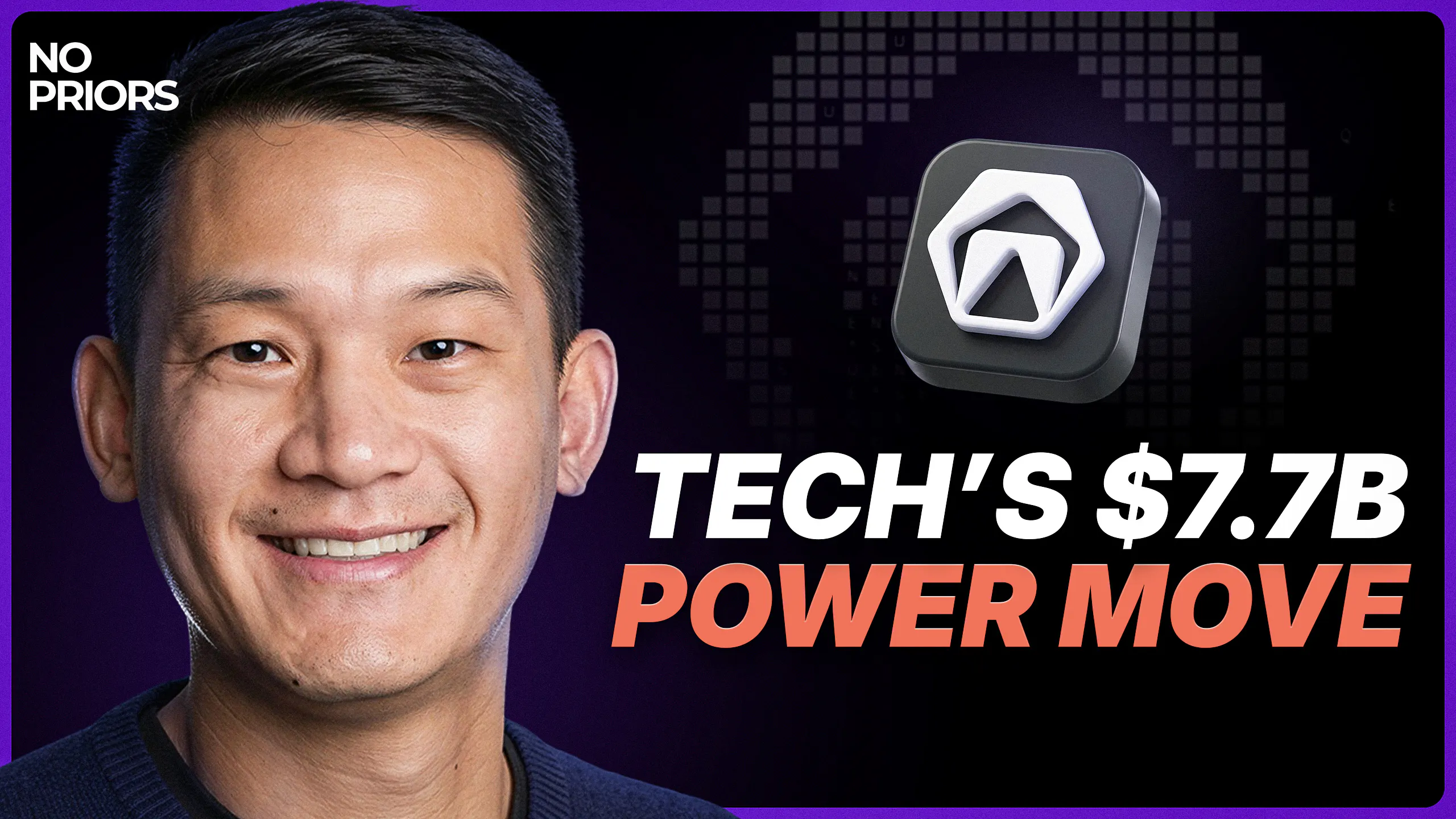
Glenn Solomon of Notable emphasizes that even the best ideas fail with a mediocre team, while stellar founders can pivot and succeed when faced with challenges. This is a recurring lesson he has had to relearn in his career.

While product and market are crucial, the most important factor in an early-stage bet is the founder. This is because most startups pivot significantly. A resilient, adaptable founder who can execute through change is more valuable than a perfect initial idea, leading to the ranking: Founder > Market > Product.

The ability to adapt and "reset priors" in response to market changes is more valuable than a rigid, unchangeable vision. Great founders constantly check their beliefs against reality and iterate quickly, a trait many VCs undervalue compared to a compelling initial pitch.

In an era where AI makes building products easier for everyone, technical execution is no longer a defensible moat. The new determinant of startup success is founder resiliency and a deep passion for their vertical. Victory belongs to those who will relentlessly refine their product for a decade, not just build the first version.
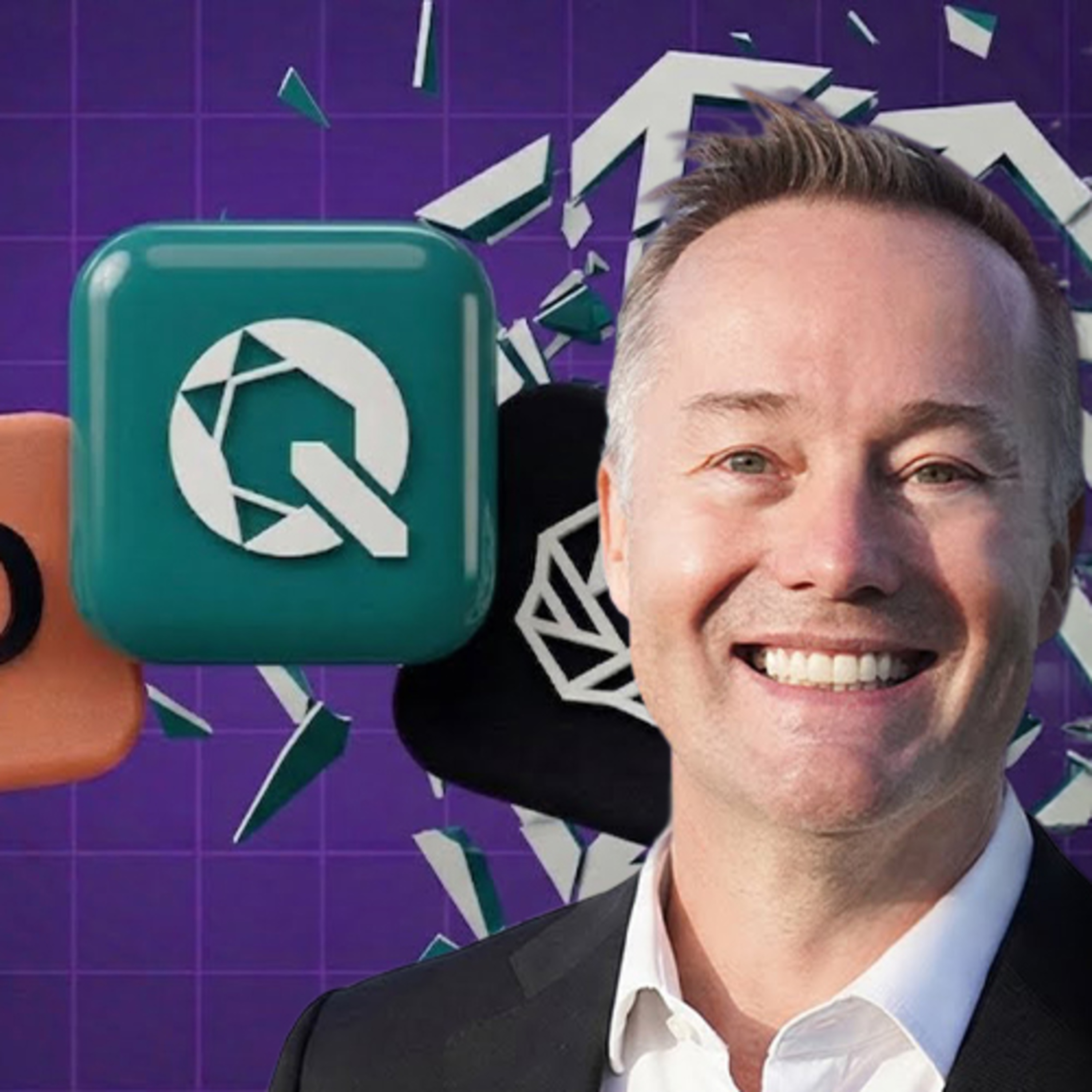
A truly exceptional founder is a talent magnet who will relentlessly iterate until they find a winning model. Rejecting a partnership based on a weak initial idea is a mistake; the founder's talent is the real asset. They will likely pivot to a much bigger opportunity.

In early-stage investing, the quality of the founder can be more important than the initial business concept. A strong founder is seen as someone who will eventually find success, even if the first idea requires a pivot.
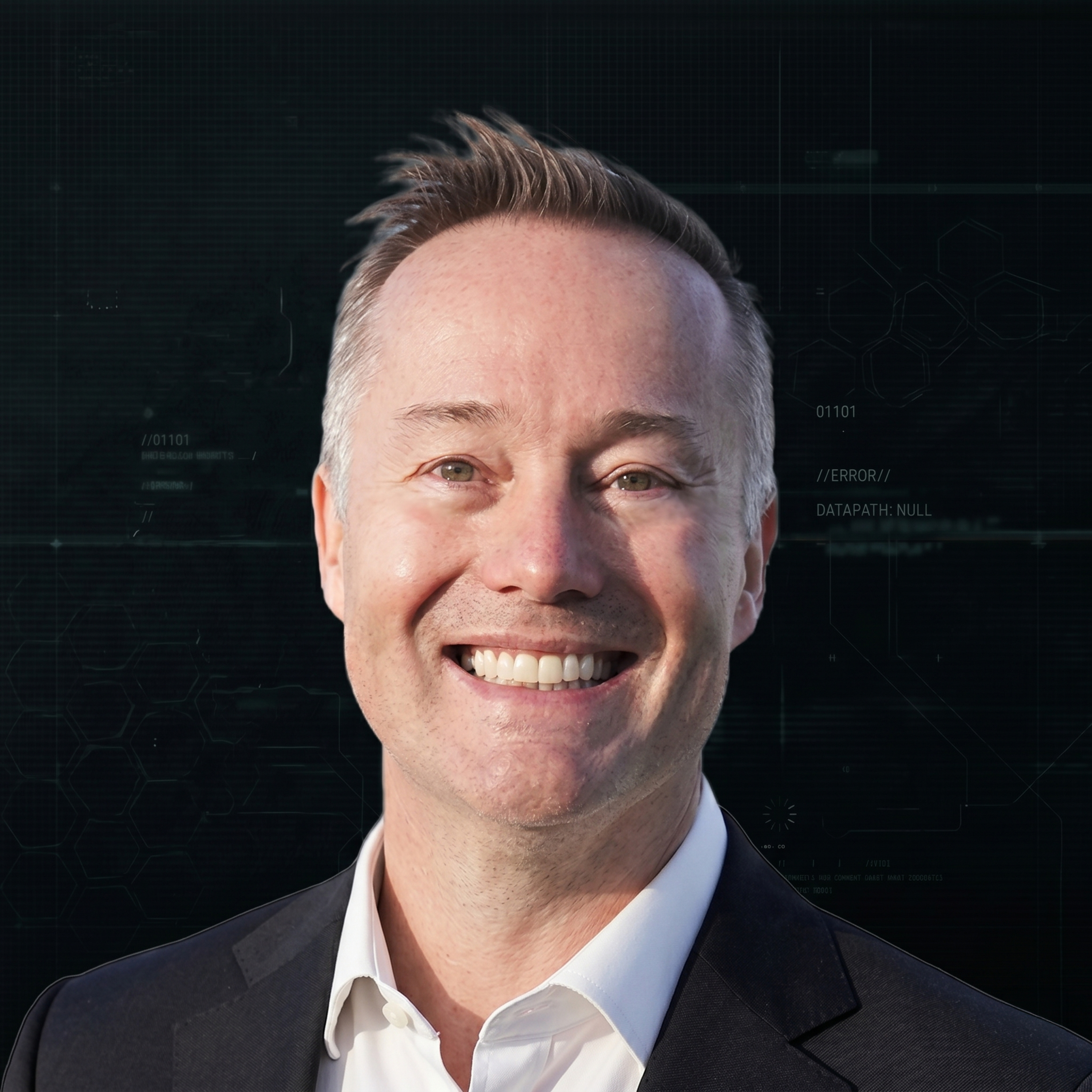
Investor Steve Mock states that since the AI landscape is in constant flux, the most critical investment criterion is a founding team's resilience. The ability to adapt and solve unforeseen problems is more valuable than a perfectly detailed but inevitably outdated business plan.
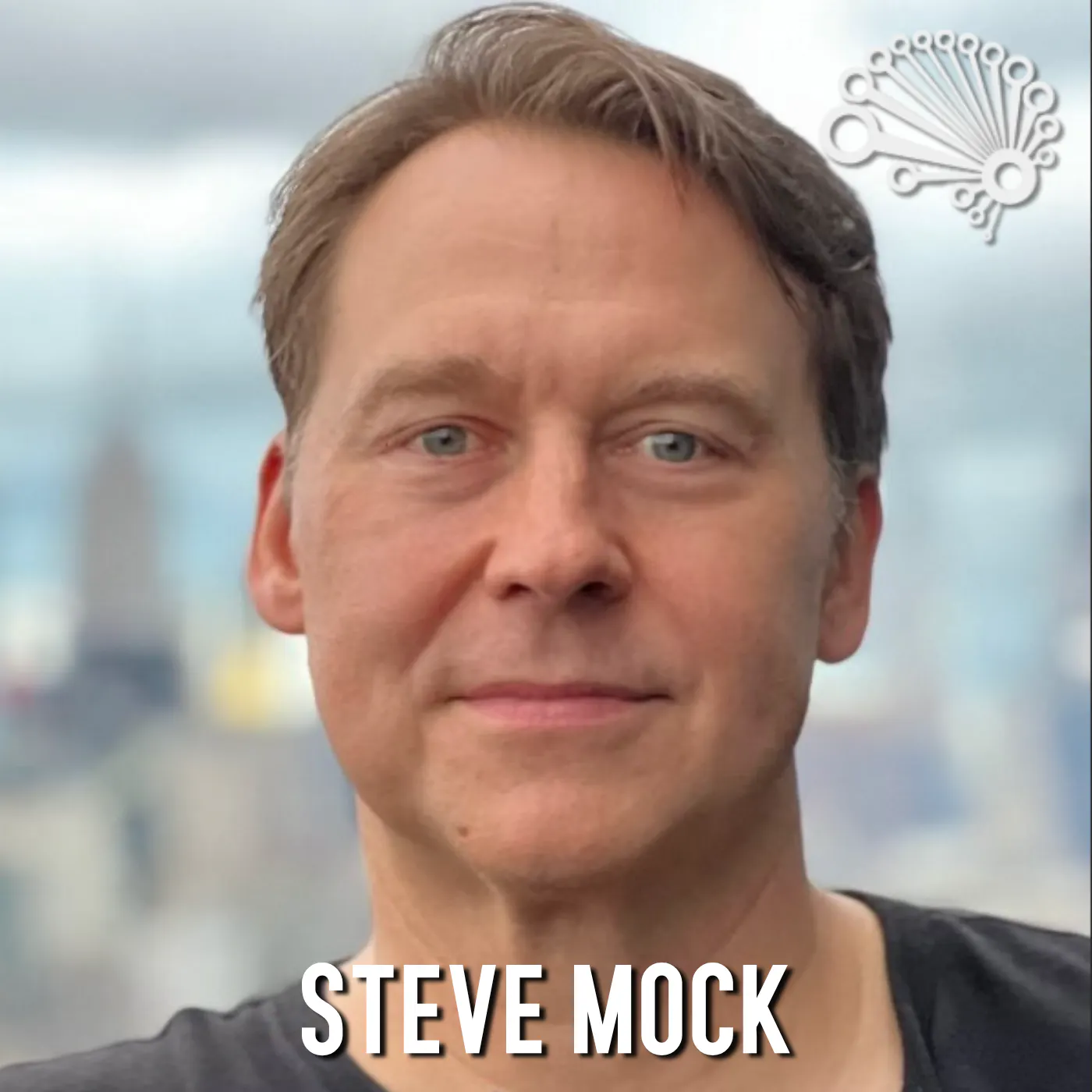
The most successful founders rarely get the solution right on their first attempt. Their strength lies in persistence combined with adaptability. They treat their initial ideas as hypotheses, take in new data, and are willing to change their approach repeatedly to find what works.
