Get your free personalized podcast brief
We scan new podcasts and send you the top 5 insights daily.
The ultimate goal of an AI operations engine is to shift from backward-looking reports to forward-looking predictive alerts. By feeding real-time data into forecasting models, the system can identify budget and schedule risks months in advance, enabling proactive financial governance and risk management.

Related Insights
Don't just report on leading indicators like faster cycle times. You must explicitly connect them to forecasted lagging outcomes. Present a clear narrative showing how today's efficiency gain will translate into future revenue or cost savings, providing a range of potential impacts.

AI-powered platforms transform how leaders consume insights. Instead of passively receiving periodic reports from a central analyst, leaders are empowered to pull real-time information on demand for immediate needs. This enables more timely decision-making without creating an analytical bottleneck.

The future of the finance department involves a shift from manual execution to strategic oversight. Humans will act as orchestrators and quality control for a team of AI agents that handle the bulk of tasks like closing the books and generating reports, focusing people on exception management.

The traditional Quarterly Business Review (QBR) is an outdated, reactive process based on past events. An AI agent can act as a continuous, real-time QBR, constantly monitoring customer progress, identifying gaps, and proactively engaging them, preventing issues before they happen.

The sheer number of variables in a consumption model—individual customer seasonality, new bookings, timing, and rep forecasts—creates a level of complexity that is nearly impossible for humans to manage effectively. AI is becoming essential to aggregate and analyze this data to produce a reliable forecast.

AI is transforming Product Portfolio Management (PPM) from a function reliant on periodic, presentation-heavy reviews into a real-time intelligence capability. Leaders can move beyond quarterly business reviews and use AI to query portfolio status, surface risks, and gain continuous visibility, enabling proactive decision-making.

Traditional automated dashboards are often ignored. AI-driven reporting is superior because it doesn't just present data; it actively analyzes it. The AI summarizes trends, generates relevant follow-up questions, and even attempts to answer them, ensuring that insights are never missed, even when stakeholders are busy.

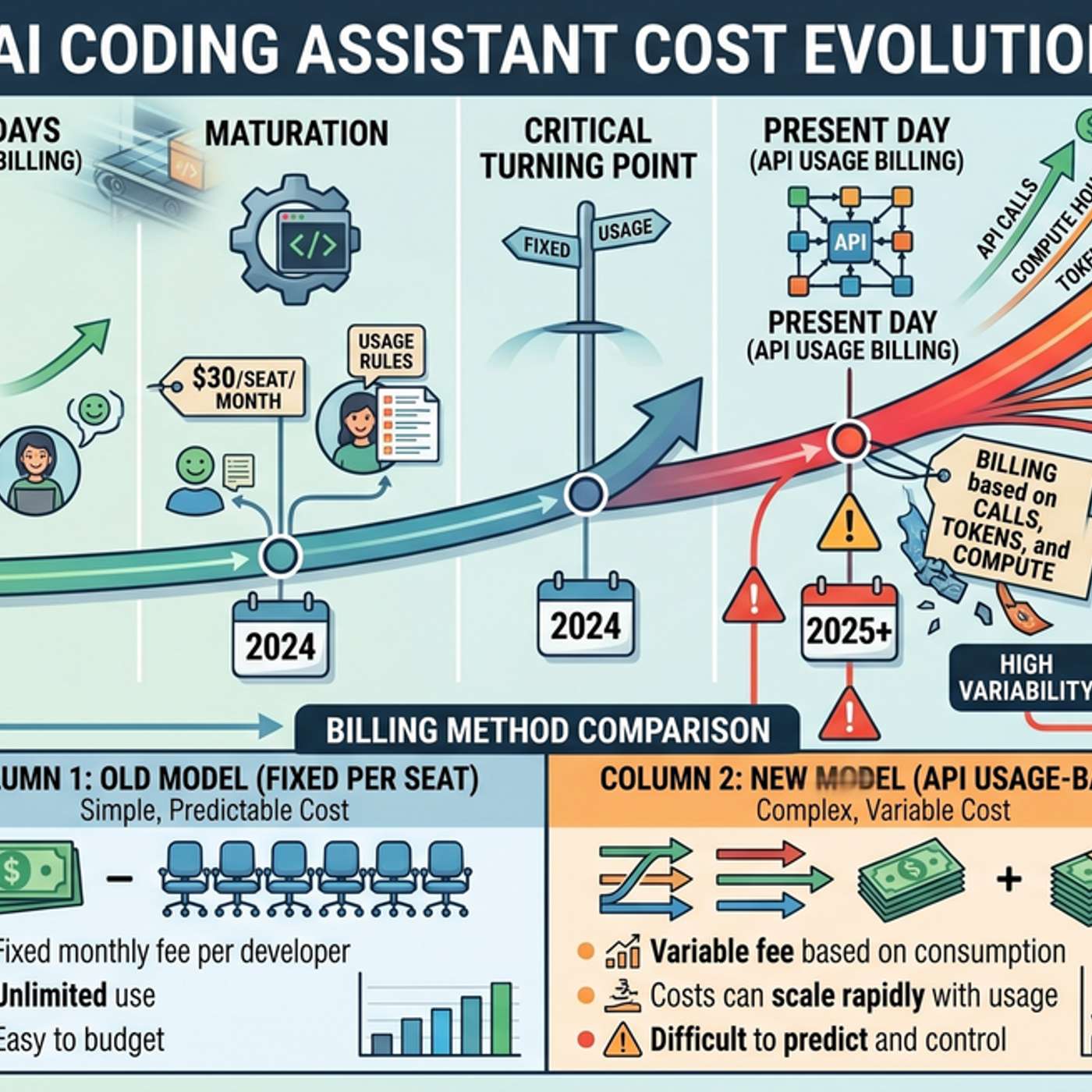
Just as uncontrolled cloud spending in the 2010s spawned the FinOps field, the shift to consumption-based AI pricing will necessitate a similar discipline. This involves attributing costs to specific workloads, setting granular budgets, and providing real-time visibility to prevent budget overruns and measure ROI accurately.
The future of service management is not about resolving tickets faster. It's about creating a connected system where AI constantly learns, sees patterns humans miss, and anticipates glitches before they become incidents. The goal is shifting from reactive fixing to proactive prevention.

Instead of merely reacting to supply chain disruptions, AI allows companies to become proactive. It can model scenarios involving labor shortages, tariffs, and weather to reroute shipments and adjust inventory promises on websites in real-time, moving from crisis management to strategic orchestration.
