Get your free personalized podcast brief
We scan new podcasts and send you the top 5 insights daily.
ProKidney's CEO, a nephrologist, attributes his entry into the field not to a pre-existing passion, but to the direct influence of a strong-willed mentor who "twisted his arm." This highlights how personal relationships, rather than pure academic interest, can define a career trajectory in specialized medicine.

Related Insights
While acknowledging the benefit of having mentors, Herb Wagner has found that the process of being a mentor is even more educational. Teaching and guiding others forces a deeper understanding of one's own principles and provides fresh perspectives from the next generation, offering greater personal and professional growth.

Orlando Bravo argues valuable mentorship isn't found in occasional calls. It's cultivated through daily work with colleagues who have direct context on your challenges. Proximity allows for the deep, nuanced guidance that scheduled, low-context conversations cannot provide.
Launching an autologous cell therapy is complex, involving a nephrologist, a biopsy doctor, and an interventional radiologist. ProKidney's CEO notes success requires standardizing this process to ensure a seamless, best-in-class experience for both the patient and all involved providers, which may mean a slower, more deliberate initial rollout.
ProKidney's significant funding from co-founder Pablo Legorreta and investor Carlos Slim was driven by their direct family experiences with kidney disease. This shows that for high-risk, long-term biotech ventures, a deep personal connection to the mission can be a more powerful motivator for investors than purely financial interest.
Instead of introspective searching for your passion, find a "Gandalf"—an expert who has already identified the world's most pressing problems. Attach yourself to their mission. This provides a clear, high-impact path for those who want to do good but are unsure where to start.

Major career pivots are not always driven by logic or market data. A deeply personal and seemingly unrelated experience, like being emotionally moved by a film (Oppenheimer), can act as the catalyst to overcome years of resistance and commit to a challenging path one had previously sworn off.

Mentoring's value increases when done outside your direct org. It becomes a two-way street: you learn about other parts of the business, and you can plant seeds of influence and better engineering practices that can grow and spread organically throughout the company.
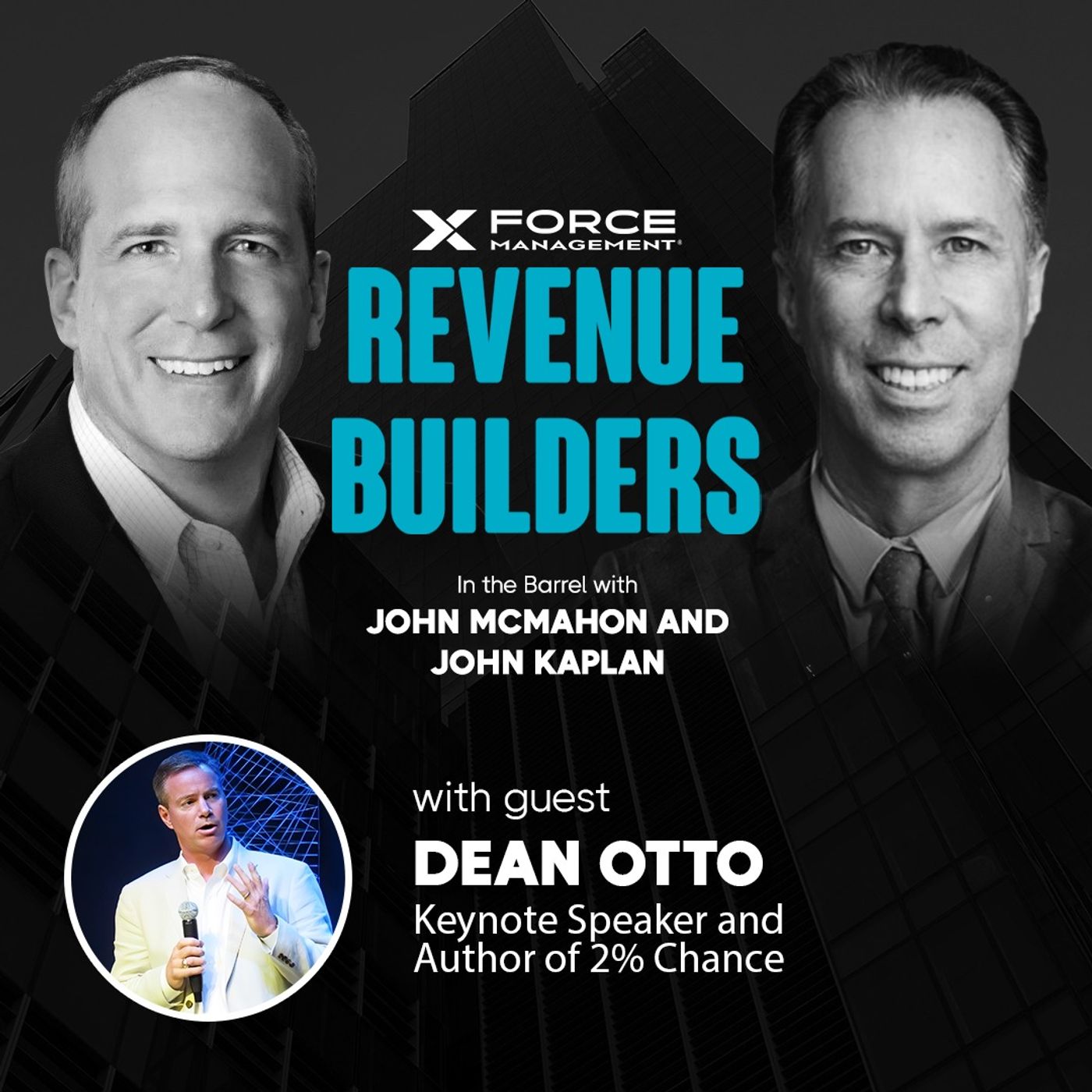
Despite knowing he wanted to be a speaker after his accident, Dean Otto didn't commit until a second health crisis acted as a "baseball bat" forcing him to act. This shows that even with a clear calling, a significant life change often requires a final, undeniable catalyst to overcome inertia and risk.
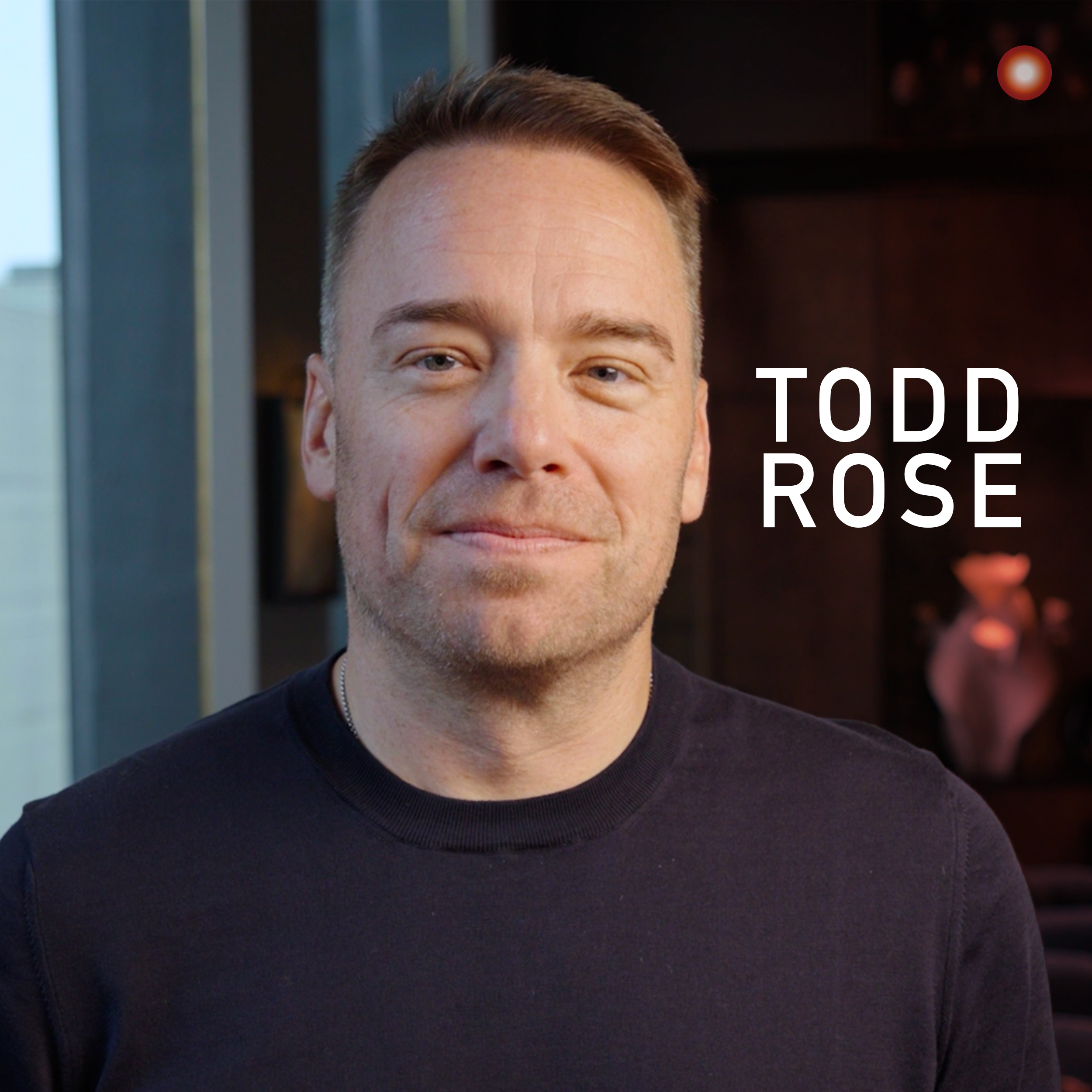
A secretary's simple encouragement, "Don't take no for an answer," changed the entire trajectory of Todd Rose's life after a university director rejected him. This highlights that transformative guidance often comes from unexpected people, not from formally designated mentors.
Before quitting his job, Sal Khan received persistent, unsolicited calls from an entrepreneur who discovered his work. Acting as a quasi-therapist, this mentor repeatedly told Khan that his side project was his true purpose, providing the external validation needed to make the leap.
