Get your free personalized podcast brief
We scan new podcasts and send you the top 5 insights daily.
Instead of building a new platform for AI agents, integrate them directly into the systems employees already use daily, like Salesforce or Slack. This avoids retraining, overcomes massive resistance to new software, and provides the path of least resistance to adoption and utilization.

Related Insights
Users rarely seek out separate AI functionality. Adoption becomes natural when AI assistance appears contextually within existing workflows, addressing friction points directly where the user is already working. This embedded approach is far more effective than adding AI as a separate, layered-on tool.
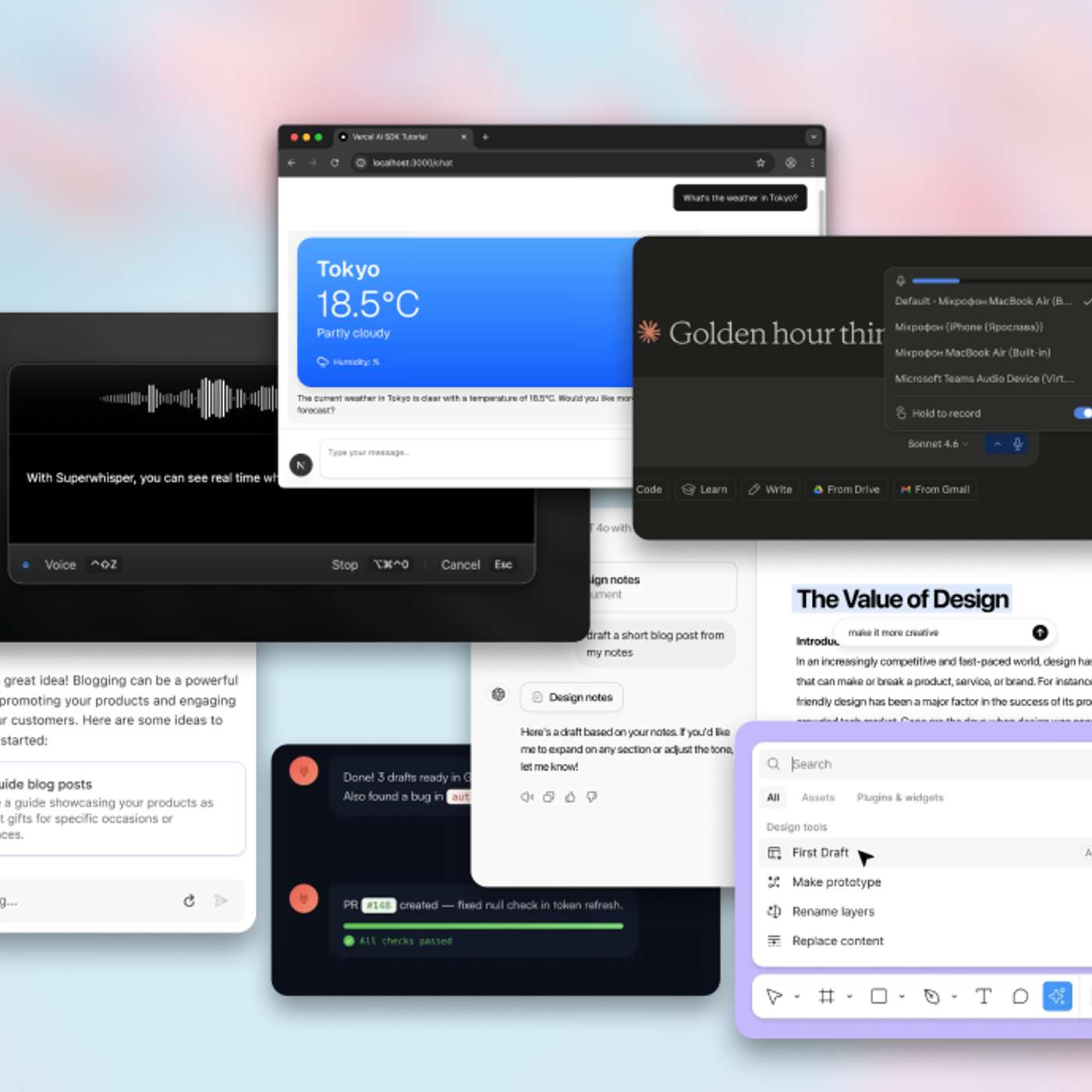
Instead of forcing teams to adopt entirely new processes, Atlassian is integrating agentic capabilities into familiar tools like Jira. Allowing users to assign a standard work item to an AI agent minimizes disruption and friction, accelerating adoption by enhancing, rather than replacing, established workflows.

By building internal AI agents directly into Slack, their usage becomes public and visible. This visibility is key for driving adoption; seeing a bot turn a message into a PR creates a "holy shit" moment that sparks curiosity and makes others want to use the tool, creating a natural viral effect.

To get mainstream users to adopt AI, you can't ask them to learn a new workflow. The key is to integrate AI capabilities directly into the tools and processes they already use. AI should augment their current job, not feel like a separate, new task they have to perform.

To drive AI adoption in a legacy enterprise, begin with an internal tool that augments employee workflows. An "AI Sales Assistant," for example, keeps a human-in-the-loop, allowing the organization to gain confidence, measure tangible results, and build conviction before deploying AI directly to customers.

To maximize adoption and minimize frontline anxiety, embed new AI tools into existing workflows as an 'easy button.' By skipping a formal launch and training, the focus shifts from the technology's novelty to its intuitive utility, encouraging natural adoption as users discover its value organically.

A chatbot is a necessary interface for multi-turn interactions but shouldn't be the primary entry point. The most effective domain-specific agents are accessible from natural "on-ramps" within a user's existing workflow, such as a Slack conversation or a meeting summary.

To maximize an AI agent's effectiveness, treat it like a team member, not just a tool. Integrate it directly into your company's communication and project management systems (like Slack). This ensures the agent has the full context necessary to perform its tasks.
The AI agent is designed to act like a human team member within existing systems. It performs bi-directional updates in tools like Jira or Linear—adding comments, changing statuses, and assigning tickets. This seamless integration ensures human teams maintain visibility and that established processes aren't disrupted.
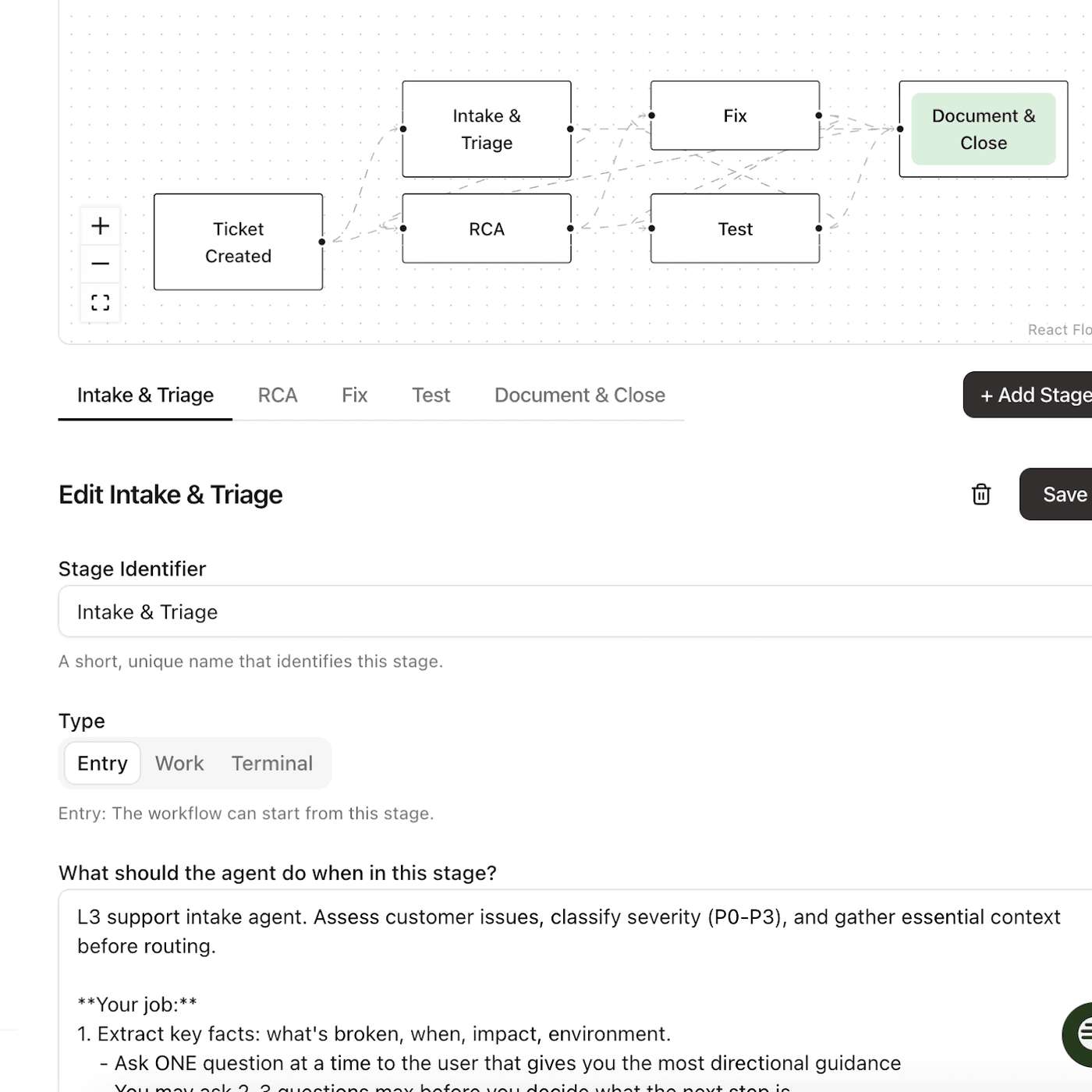
To drive adoption of AI agents, don't force users into a new application. Instead, integrate the agent directly into their existing collaboration tools like Slack. This approach reduces friction and makes the agent feel like a natural part of the team, leading to higher engagement and user satisfaction.
