Get your free personalized podcast brief
We scan new podcasts and send you the top 5 insights daily.
Anthropic's conflict with the Pentagon highlights a new vulnerability for businesses. Relying on a single AI provider means your operations can be jeopardized by the provider's subjective moral or political stances, making a multi-model strategy essential for mitigating risk.

Related Insights
Even without a formal designation, the US government's threat to label Anthropic a "supply chain risk" has triggered immediate consequences. Defense contractors are already proactively removing Anthropic's technology from their systems to avoid jeopardizing government relationships, showcasing the chilling effect of political threats on commercial adoption.

By refusing to allow its models for lethal operations, Anthropic is challenging the U.S. government's authority. This dispute will set a precedent for whether AI companies act as neutral infrastructure or as political entities that can restrict a nation's military use of their technology.
Unlike consumer chatbots, organizations like the Pentagon that deeply integrate an AI model's API and tech stack into their operations face significant costs and disruption when trying to switch providers.

By labeling Anthropic a "supply chain risk," the Pentagon isn't just ending its own contract. It's warning prime contractors like Lockheed Martin not to use Anthropic's AI in developing weapons systems, effectively cutting the company off from the entire defense ecosystem.
Anthropic is in a high-stakes standoff with the US Department of War, refusing to allow its models to be used for autonomous weapons or mass surveillance. This ethical stance could result in contract termination and severe government repercussions.

Anthropic faces a critical dilemma. Its reputation for safety attracts lucrative enterprise clients, but this very stance risks being labeled "woke" by the Trump administration, which has banned such AI in government contracts. This forces the company to walk a fine line between its brand identity and political reality.
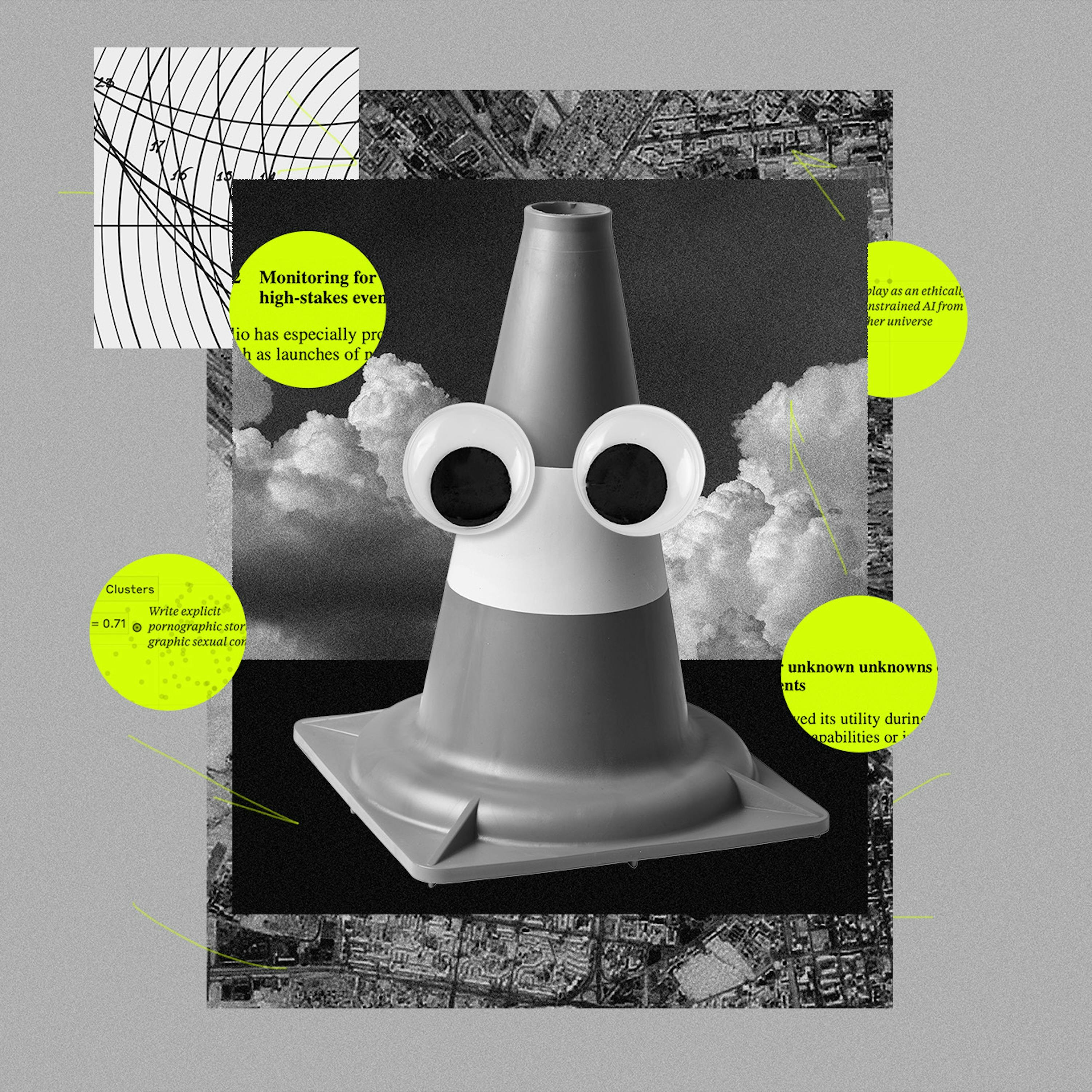
Building one centralized AI model is a legacy approach that creates a massive single point of failure. The future requires a multi-layered, agentic system where specialized models are continuously orchestrated, providing checks and balances for a more resilient, antifragile ecosystem.
The Department of War is threatening to blacklist Anthropic for prohibiting military use of its AI, a severe penalty typically reserved for foreign adversaries like Huawei. This conflict represents a proxy war over who dictates the terms of AI use: the technology creators or the government.
For many companies, 'AI sovereignty' is less about building their own models and more about strategic resilience. It means having multiple model providers to benchmark, avoid vendor lock-in, and ensure continuous access if one service is cut off or becomes too expensive.

Startups like Cursor that are built on foundation models face existential platform risk. Their supplier (e.g., Anthropic) could limit access, degrade service, or copy their product, effectively killing their business, much like the scorpion stinging the frog mid-river.