Get your free personalized podcast brief
We scan new podcasts and send you the top 5 insights daily.
True "X Factor" isn't a single remarkable quality. It's the multiplicative effect of possessing several rare skills and traits that don't typically coexist in one person. The more contradictory these traits are (e.g., Dolly Parton being a "bombshell" and a "business mogul"), the more compelling the individual becomes.

Related Insights
Elite talent manifests in two primary ways. An individual is either in the top 0.01% on a single dimension (e.g., tenacity, sales), or they possess a rare Venn diagram of skills that don't typically coexist (e.g., a first-rate technologist who is also a first-rate business strategist).
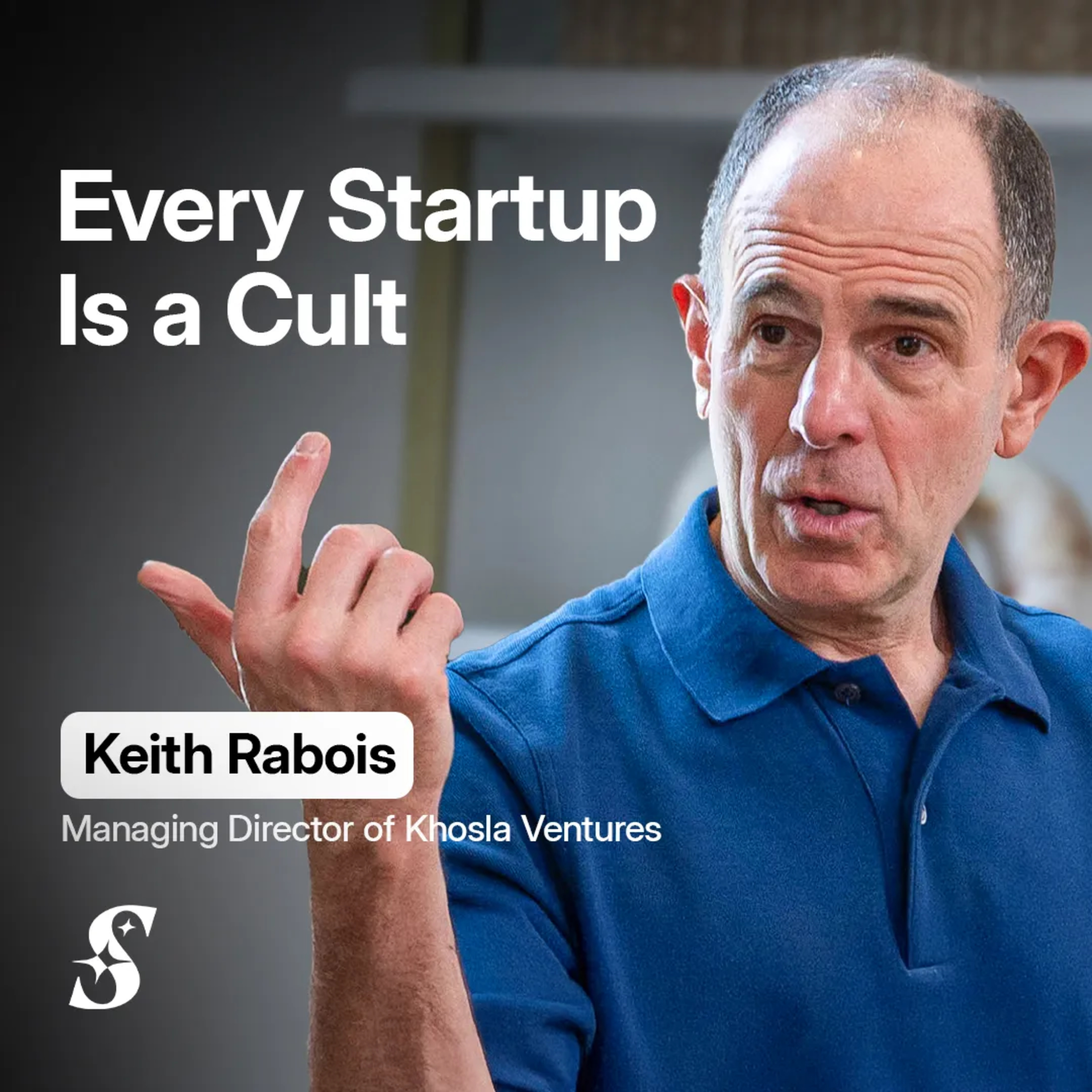
Peter Thiel suggests that founders often embody contradictory traits simultaneously (e.g., disagreeable yet charismatic, insider and outsider). Their personalities follow an 'inverse normal distribution,' making them powerful but also dangerous leaders compared to interchangeable managers.

We connect most deeply with the unique, spiky, and imperfect parts of a person's character—their non-fungible traits. Trying to smooth these edges to be more universally palatable actually makes you less distinct and, therefore, less capable of forming a deep, unique bond.

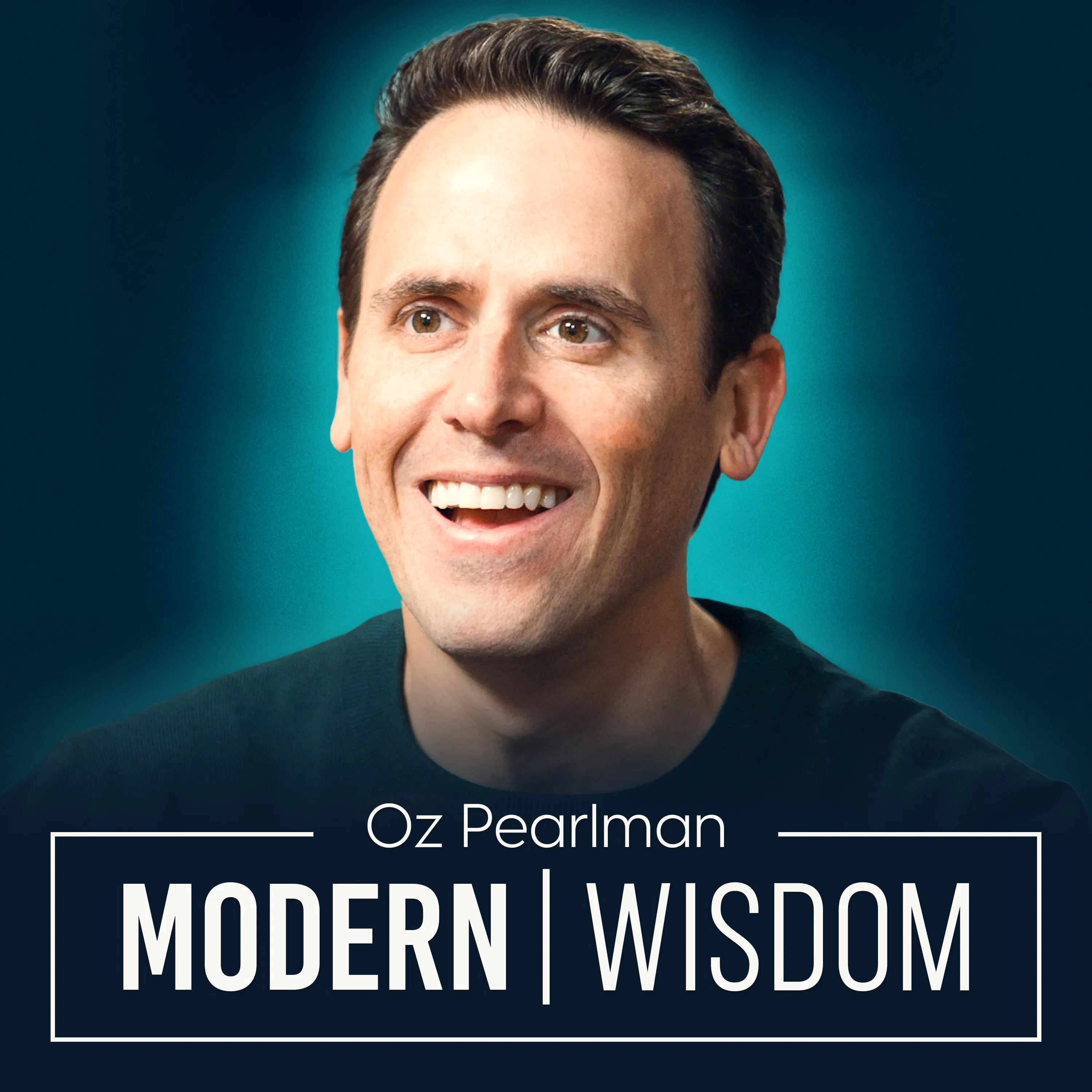
Mentalist Oz Pearlman intentionally creates very specific, controlled scenarios that look impossible. This single demonstration of an incredible skill leads the audience to generalize his ability to all areas, creating a powerful—though not entirely accurate—impression of universal competence.
To effectively spot founders with an extreme, outlier strength, an investor needs to have a similar "spiky" profile. The ability to recognize genuine, world-class expertise comes from having achieved it yourself in a domain—a "game recognizes game" phenomenon.

The parts of your personality that feel "weird" or don't fit in are the very source of your exceptionalism. Leaning into these differences, rather than suppressing them to conform, is what allows you to break patterns and develop an authentic "X Factor." These are the traits others may find odd but which ultimately define you.
Highly charismatic people perfectly balance two traits: warmth (can I trust you?) and competence (can I rely on you?). An imbalance is the root of most interpersonal problems. Focusing only on competence appears cold, while focusing only on warmth appears friendly but not credible.
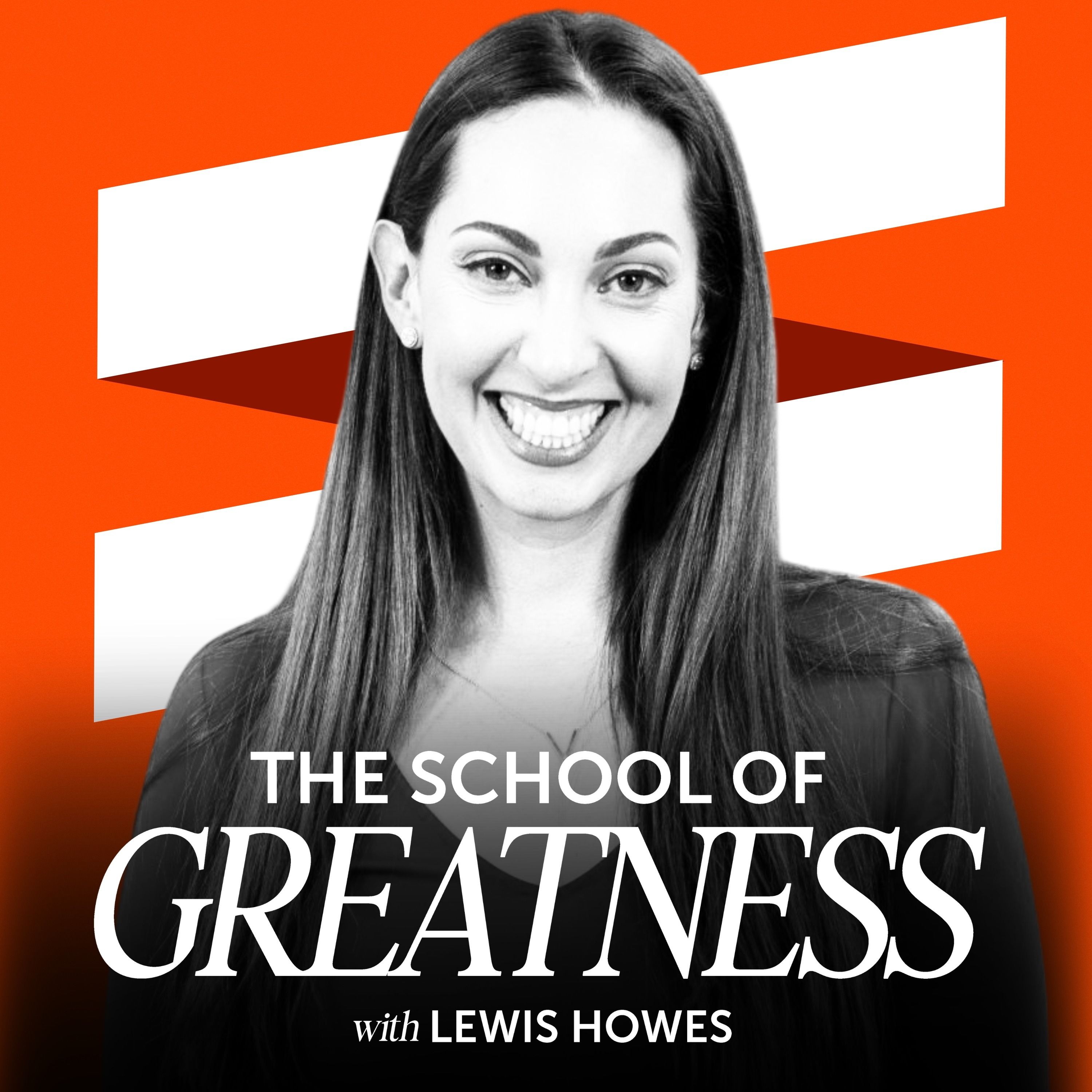
Simply "being yourself" is insufficient to achieve stardom. You must first be exceptionally good at your core craft. Many skilled people fail to stand out because they lack a unique persona, but no amount of personality can compensate for a lack of fundamental excellence. X Factor is the multiplier, not the base value.
Breakthrough solutions often come from polymaths who can cross-pollinate ideas between different disciplines. By drawing on a diverse mental toolkit, they can see analogies and solutions that specialists within a single field might miss, as new stimuli are required to solve hard problems.

Truly exceptional talent often combines two powerful traits that shouldn't coexist, such as being both deeply data-rigorous and wildly creative, or intensely paranoid short-term yet religiously optimistic long-term. This rare blend of contradictory skills is a signal of a world-class operator.
