Get your free personalized podcast brief
We scan new podcasts and send you the top 5 insights daily.
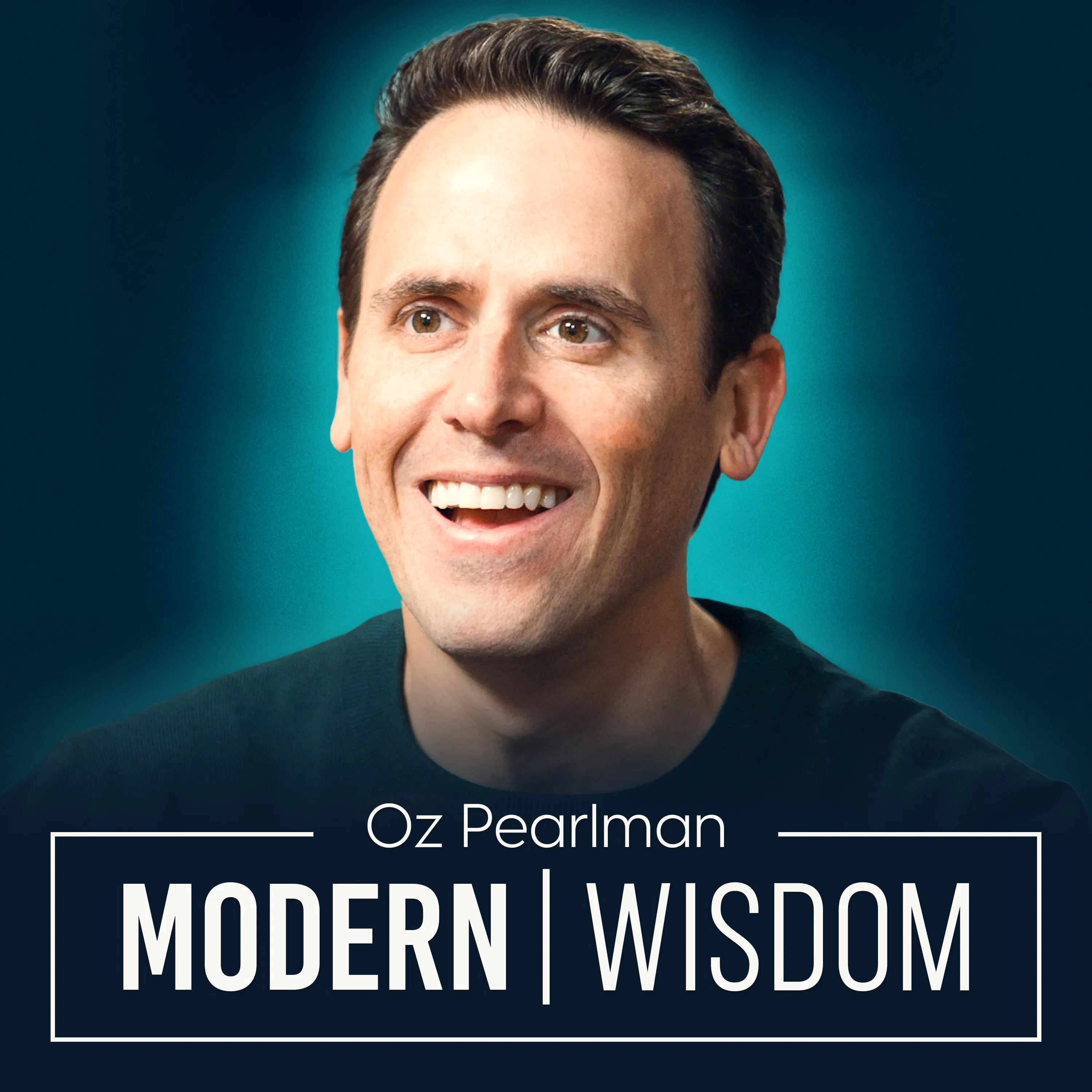
Mentalist Oz Pearlman intentionally creates very specific, controlled scenarios that look impossible. This single demonstration of an incredible skill leads the audience to generalize his ability to all areas, creating a powerful—though not entirely accurate—impression of universal competence.
Related Insights
Mentalist Oz Pearlman argues his most transferable skills aren't his tricks, but his ability to be remembered, engage people, and build bonds. He considers these interpersonal abilities a "cheat code in life," more critical to long-term success in any field than the technical craft itself.

A study found that introducing a magician as a "world champion" made audiences enjoy the same performance 50% more. This framing also made them less successful at deconstructing the trick, as they willingly suspended disbelief for a perceived expert.

Mentalist Oz Pearlman explains his work feels like real mind-reading because there's no visible gimmick. Unlike a standard magic trick with props, his method is invisible. This creates a powerful illusion that his skill is an innate ability, not a practiced technique, making it more profound.
Oz Pearlman's career breakthrough came when he stopped trying to prove his own greatness and started making the experience about the audience. A trick becomes unforgettable not because of the performer's skill, but because it connects directly and personally to the spectator's life, like revealing their date of birth.
Oz Pearlman's business brilliance lies in marketing and category creation. By positioning himself as a "mentalist" rather than another "magician," he avoided direct comparison to established figures like David Blaine, allowing him to become number one in a category he effectively invented.
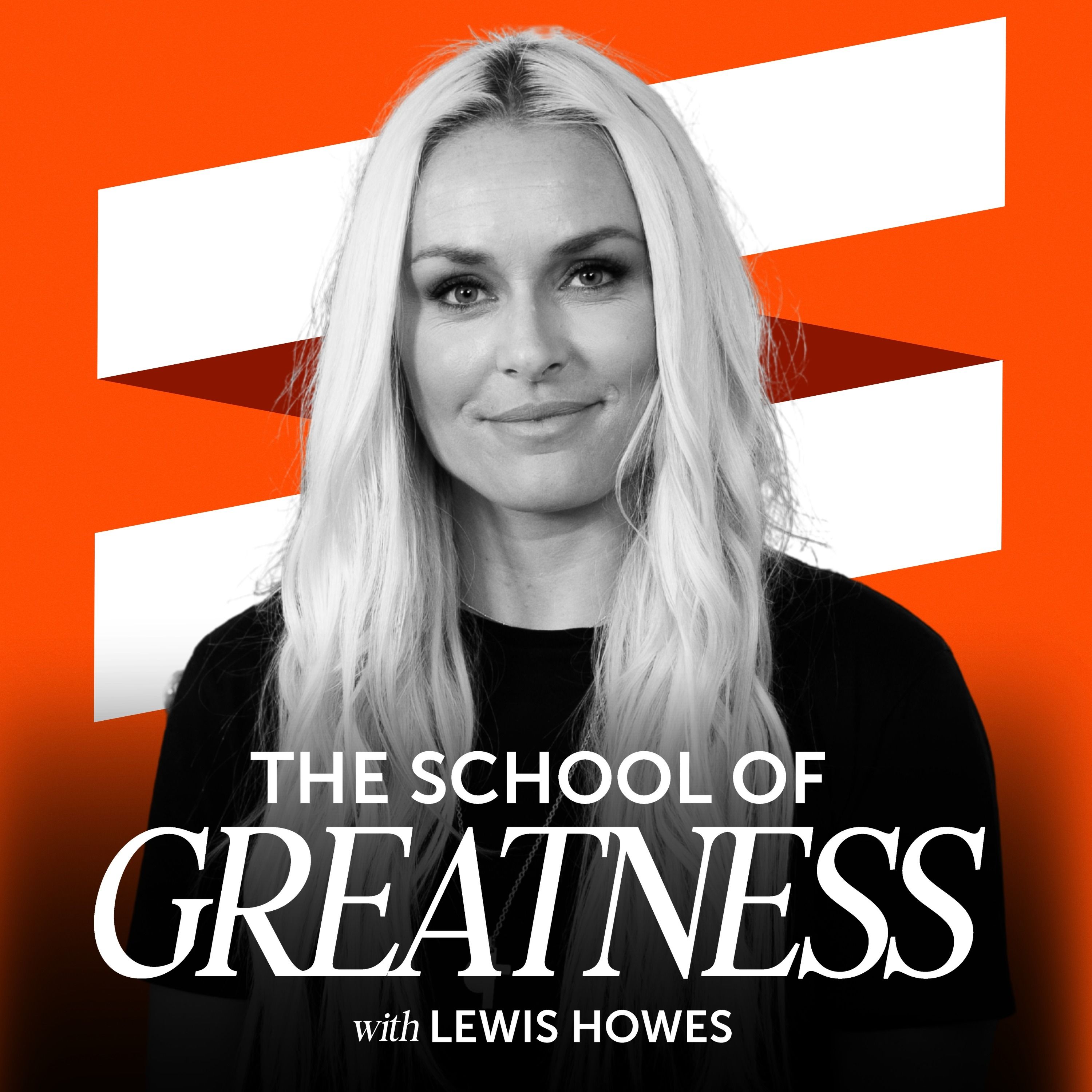
Lindsey Vonn admits to being two different people: supremely confident on the ski slope, but shy and reserved in normal social situations. This suggests high-performers can compartmentalize their confidence, harnessing it as a tool specifically for their domain rather than a general personality trait.
Mentalist Oz Perlman manages failure risk by not telegraphing a trick's exact outcome. Like a director showing only the final cut, he can pivot if something goes wrong, and the audience never knows. This applies to presentations or demos where controlling the narrative is key.

Mentalist Oz Perlman landed more airtime on CNBC than any CEO by tailoring his performance to the network's world: stocks, bonds, and markets. By making his craft relevant to their audience's interests, he became indispensable. To capture attention, obsessively focus on the other person's context and needs.
Content's impact is determined more by the messenger's credibility than the message itself. Authority, built on tangible proof of success, decreases the audience's perceived risk and cognitive load, making them receptive. Without a backdrop of real-world achievement, even the best advice lacks the context to be trusted and acted upon.

Mentalist Oz Pearlman depersonalized rejection by creating a separate professional identity, "Oz the Magician." This cognitive dissociation allowed him to view criticism as feedback on his performance, not a personal attack, which is a powerful tool for anyone in a public-facing or sales role.