Get your free personalized podcast brief
We scan new podcasts and send you the top 5 insights daily.
The FIFA World Cup, co-hosted by the US, Canada, and Mexico under the slogan "United as One," is set against a backdrop of severe political discord. Tensions include US presidential threats against Mexico, suggestions of annexing Canada, and Mexico offering to host the Iranian team against US wishes.

Related Insights
With FIFA World Cup games starting June 12th in major U.S. cities, the event generates significant hype. Marketers in any sector can leverage this by theming emails, offers, and subject lines around soccer/football to capture the attention of both domestic and global audiences engaged with the tournament.

In geopolitical conflicts, nations often apply a double standard to rhetoric. An adversary's hyperbolic slogan like 'Death to America' is treated as a literal threat justifying war, while one's own equally extreme statements, like 'a whole civilization will die tonight,' are dismissed as mere posturing.
The atmosphere at Dollywood, where diverse and politically opposed groups like "gays" and "rednecks" coexist happily, shows the power of a unifying cultural figure. This harmony is fragile and disappears outside the theme park's gates, highlighting how shared culture creates temporary escapes from political division.

Controversy over Russia's and Israel's participation is fragmenting the Venice Biennale's globalist ethos, causing national pavilions to become more inward-looking. The US pavilion, for instance, now mandates a focus on "American values" while forbidding mentions of DEI, signaling a broader shift from globalization to localization in the art world.
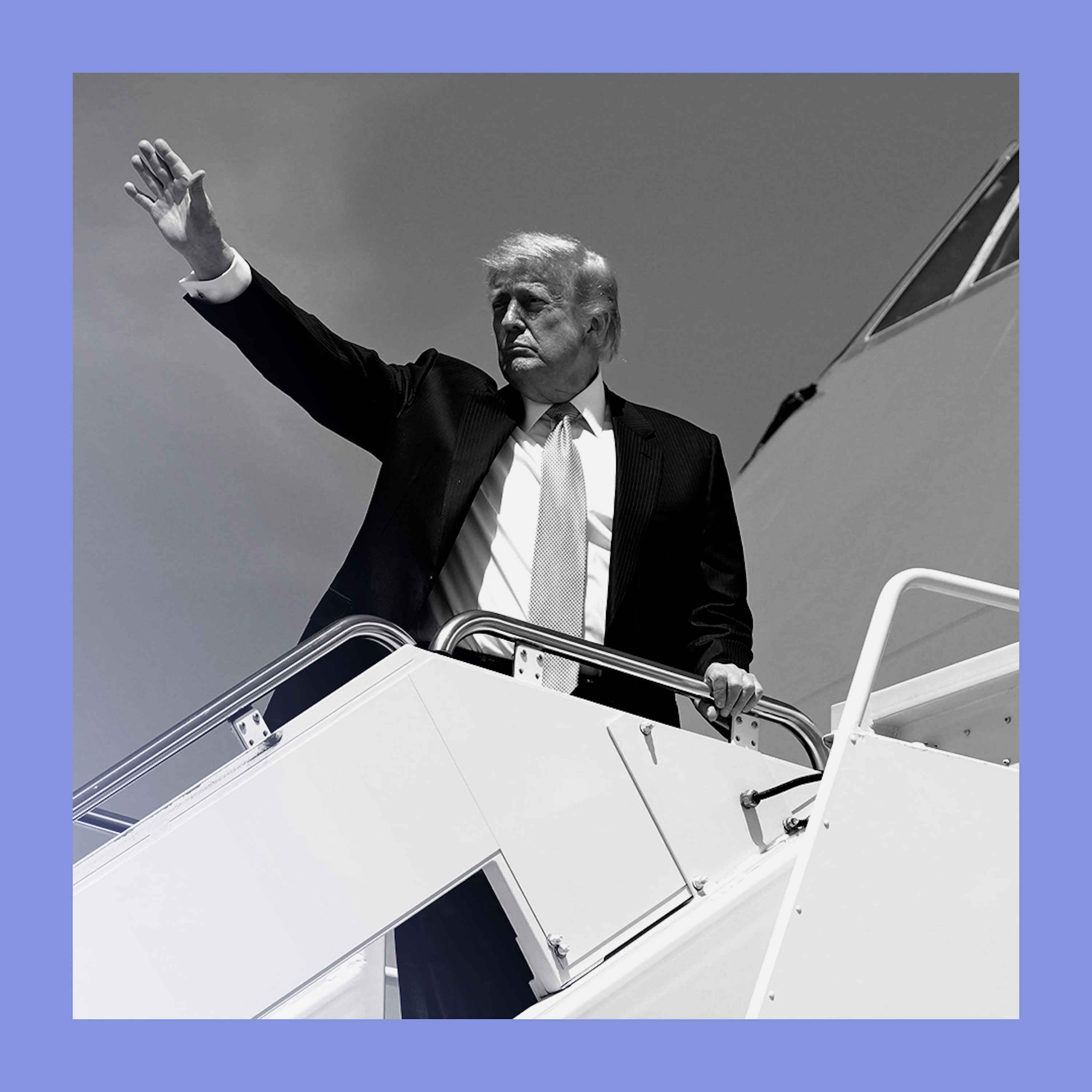
In populist moments, leaders often abandon the idea of compromise and instead treat the opposing side as an enemy to be defeated. Language describing American cities as "war zones" or "training grounds" reveals this divisive mindset, which prioritizes conflict over unity.

In a time of deep political division, the Artemis II mission provided a moment of national unity. It required diverse Americans to collaborate on a common goal and even momentarily silenced online culture wars, demonstrating the unifying power of ambitious national projects.
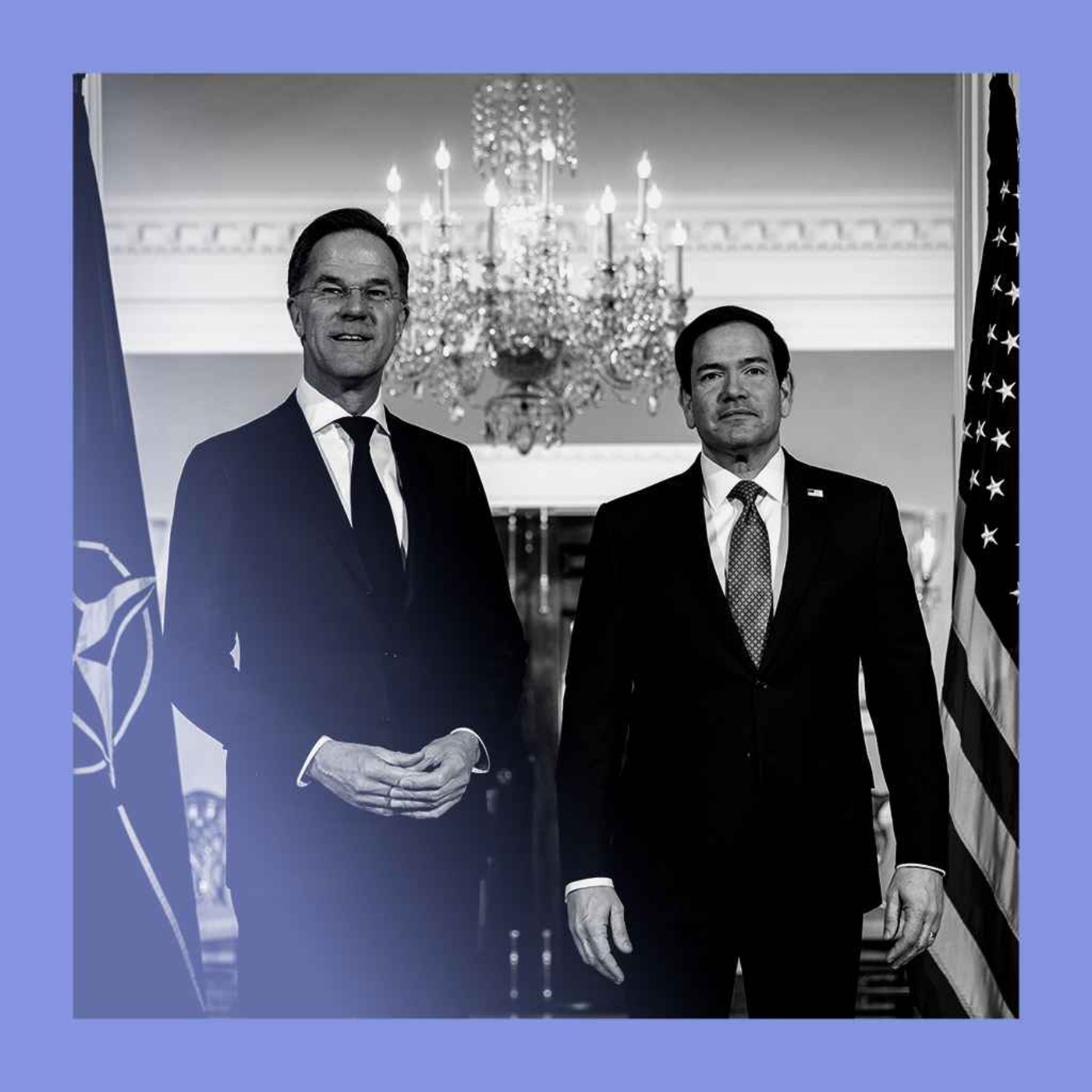
Internally divided societies rarely come together on their own. Unity is almost exclusively forged when a common external, existential threat emerges. This was seen after 9/11 and during the Cold War, where the fear of an outside enemy overshadowed internal political disagreements, forcing cooperation.

A central contradiction exists in Trump's vision for a dominant North American economic bloc. His master plan requires deep cooperation with Canada and Mexico, yet his first actions involved voiding trade agreements and publicly alienating the very leaders whose partnership he needs for the plan to succeed.

Unlike typical single-host events, the 2026 FIFA World Cup will have host cities across the US, such as New York, Miami, and Seattle. This decentralization allows marketers to create highly localized, city-specific campaigns and promotions tied to fan events, capitalizing on local excitement during what is usually a slow marketing period. This strategy works for both US-based and global companies.

Spain's 2010 World Cup victory was not just a sporting achievement but a deliberate political project. The coach, Vicente del Bosque, used a 'superstar-proof' team-first system to unite players from rival clubs and politically divided regions, aiming to make separatist-leaning Catalans and Basques feel proud to support the national team.