Get your free personalized podcast brief
We scan new podcasts and send you the top 5 insights daily.
In metastatic TNBC, using sacituzumab govitecan (SG) first-line provides a progression-free survival (PFS) advantage that cannot be regained by using it second-line after initial chemotherapy. The PFS2 data from ASCENT trials shows starting with SG is definitively better than a chemo-first sequence.

Related Insights
In the Keynote 522 trial for early-stage TNBC, adding pembrolizumab to chemotherapy resulted in only a modest improvement in pathological complete response (pCR). Surprisingly, this small initial gain translated into much more robust and significant long-term improvements in event-free and overall survival.

The TROPION-PanTumor01 study showed that patients who progressed on the TROP2-ADC sacituzumab govitecan still achieved responses to a second TROP2-ADC, Dato-DXD. This suggests that targeting the same antigen with a different payload can overcome initial resistance, informing future treatment sequencing.
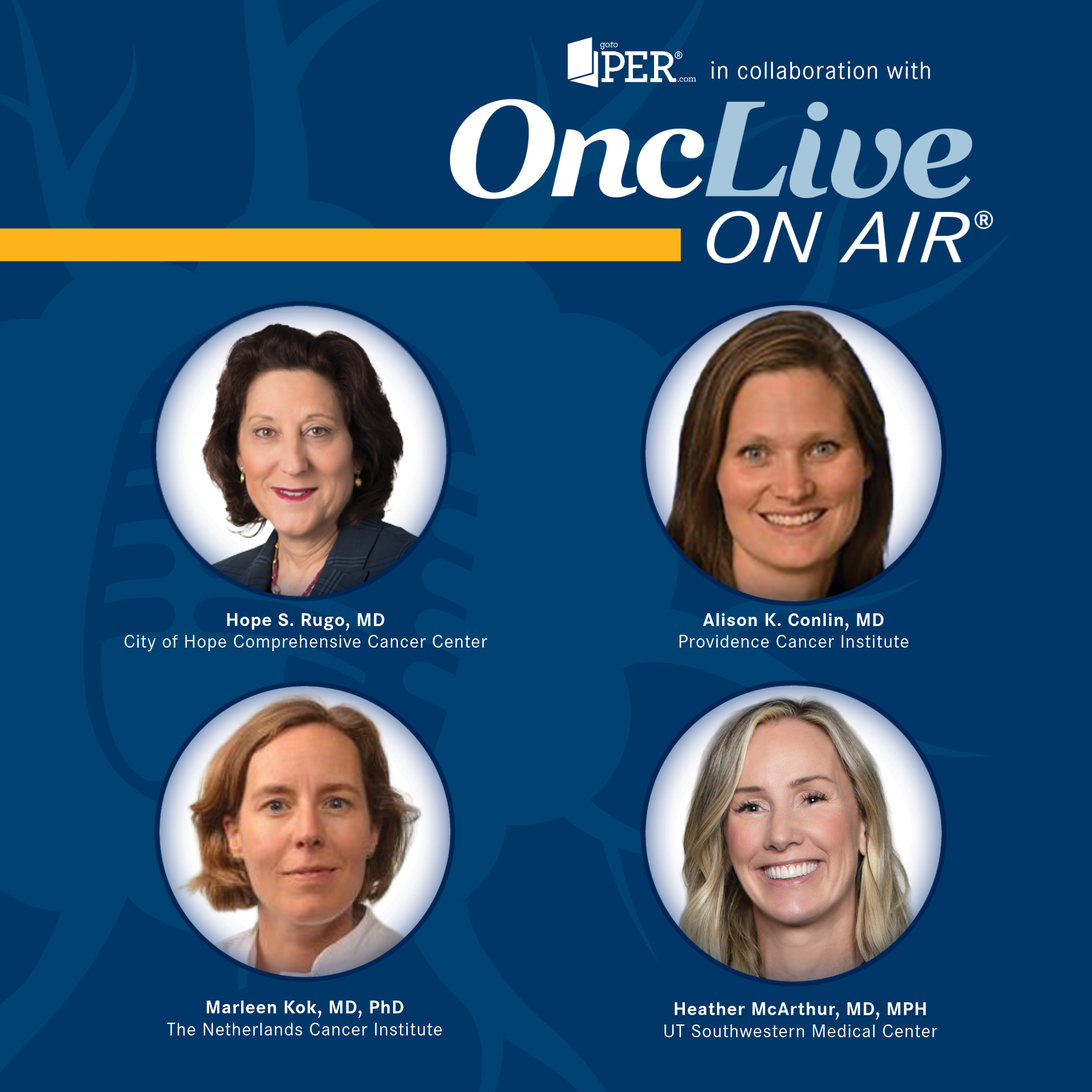
In metastatic breast cancer, approximately one-third of patients are unable to proceed to a second line of therapy due to disease progression or declining performance status. This high attrition rate argues for using the most effective agents, such as ADCs, in the first-line setting.
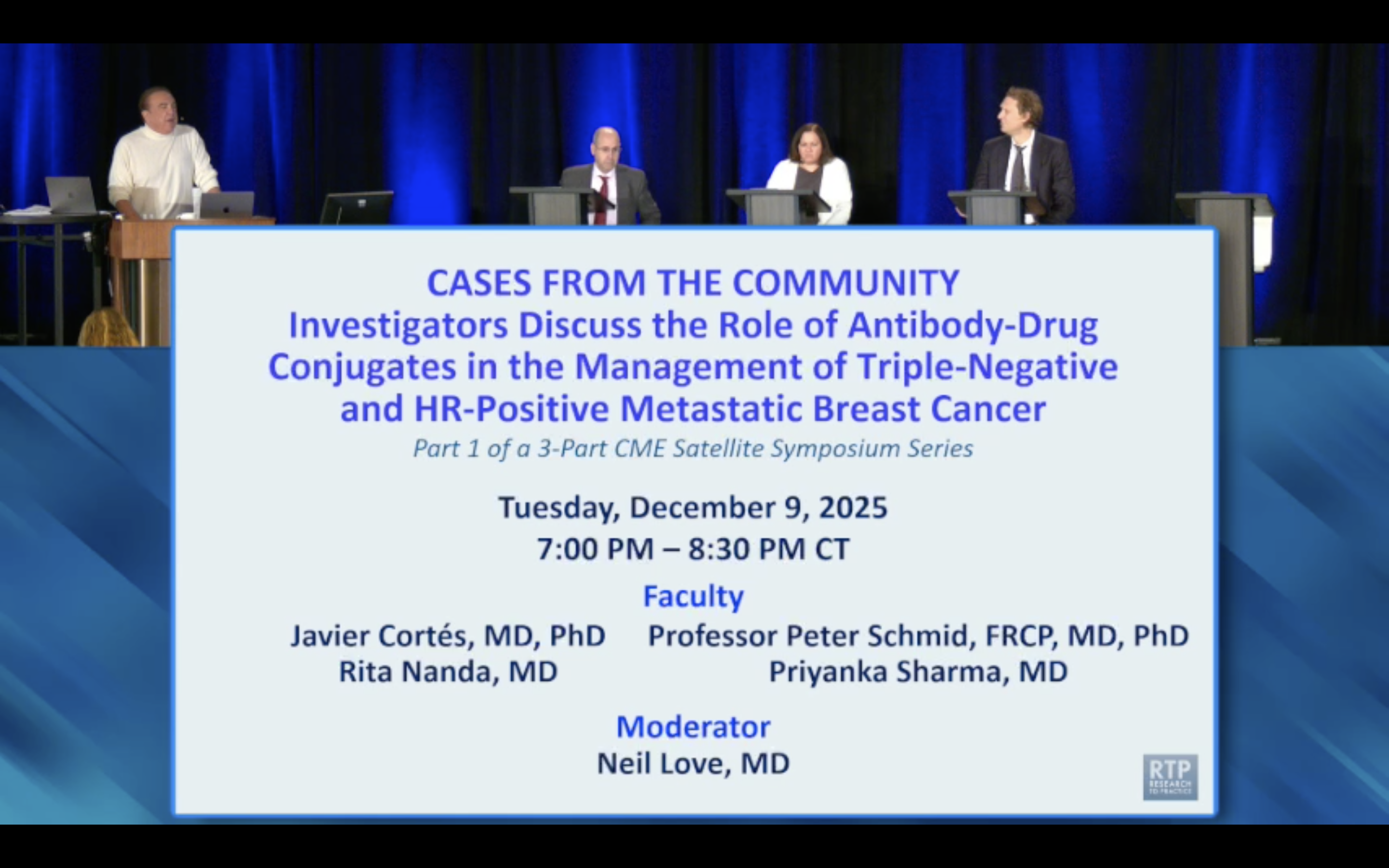
A decade ago, metastatic triple-negative breast cancer (mTNBC) had a median survival of about one year. Today, the duration of response to modern antibody-drug conjugates (ADCs) in the first-line setting can be longer than what the entire overall survival used to be, highlighting a massive therapeutic advancement.

The long-standing platinum doublet backbone for frontline SCLC may soon be challenged. The high efficacy of novel agents like antibody-drug conjugates and bispecific antibodies in later lines is prompting trials that consider moving them into the first-line setting, a strategy previously considered "unthinkable."

With two newly approved, effective ADCs (Sacituzumab govitecan and Datopotamab deruxtecan) for first-line PD-L1 negative TNBC, clinicians face a state of "equipoise." Lacking head-to-head data, treatment selection hinges on physician experience and patient factors like side effect tolerance and schedule, not superior efficacy.
A significant portion of patients (30-50%) with metastatic triple-negative breast cancer do not survive to receive second-line treatment. This high attrition rate underscores the critical importance of administering the most effective therapy—offering the best PFS and response rate—in the first-line setting to maximize patient outcomes.
The SURE-01 trial's data suggests non-luminal subtypes and low TOP1 expression are linked to better outcomes with sacituzumab govitecan. This finding points toward a future where molecular profiling, not just treatment ineligibility, could guide personalized neoadjuvant therapy selection for patients.

Oncologists view datopotamab deruxtecan and sacituzumab govitecan as similarly effective for first-line TNBC. The choice is driven by side effect profiles: stomatitis/ILD with Dato versus alopecia/GI toxicity with SG, and logistics like infusion frequency.
The ASCENT-03 and -04 trials featured a high rate of crossover, with over 80% of patients in the chemotherapy arm receiving Sacituzumab Govitecan (SG) upon progression. This ethical trial design confounds the overall survival (OS) data, making the observed OS benefit appear smaller than the drug's true potential if used exclusively in the first-line setting.