Get your free personalized podcast brief
We scan new podcasts and send you the top 5 insights daily.
With two newly approved, effective ADCs (Sacituzumab govitecan and Datopotamab deruxtecan) for first-line PD-L1 negative TNBC, clinicians face a state of "equipoise." Lacking head-to-head data, treatment selection hinges on physician experience and patient factors like side effect tolerance and schedule, not superior efficacy.

Related Insights
When choosing between sacituzumab govitecan (SG) and datopotamab deruxtecan (Datto-DXd), oncologists prioritize the differing side effect profiles (diarrhea/neutropenia vs. stomatitis/ocular) and administration schedules (weekly infusions vs. every three weeks) to match patient lifestyle and comorbidities, rather than focusing solely on efficacy.

The Begonia trial showed an ~80% response rate by combining an ADC (Dato-DXD) with immunotherapy (Durvalumab) in first-line metastatic TNBC patients, 87% of whom were PD-L1 negative. This suggests ADCs, through immunogenic cell death, may create an immune-responsive environment, expanding IO benefit beyond the traditional biomarker.
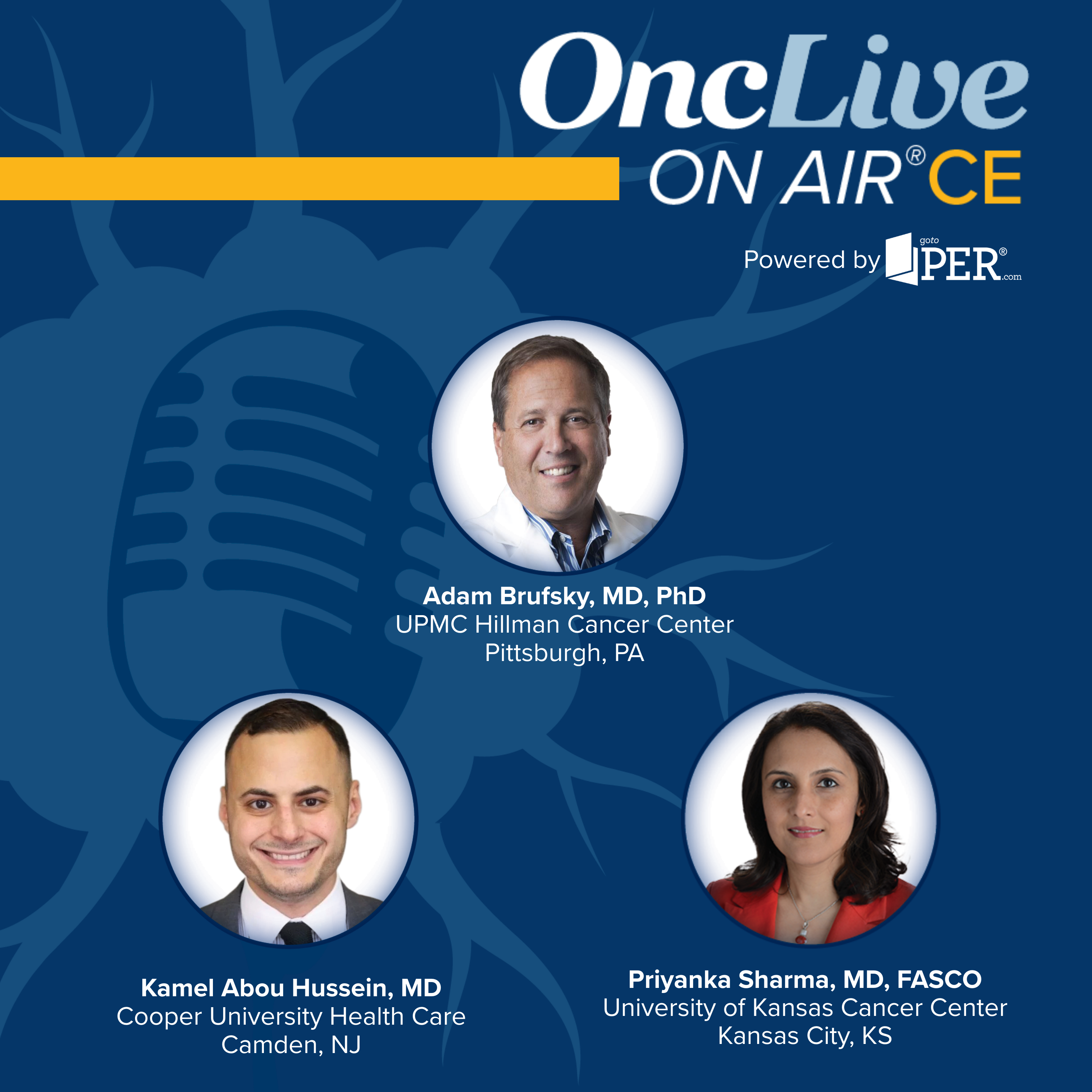
When choosing between TROP2-directed ADCs like sacituzumab govitecan and datopotamab deruxtecan, the decision often hinges on side effect profiles and scheduling convenience, not superior efficacy. Datopotamab has more oral/ocular issues but is given every three weeks, while sacituzumab causes more neutropenia and requires visits two out of every three weeks.

The TROPION-PanTumor01 study showed that patients who progressed on the TROP2-ADC sacituzumab govitecan still achieved responses to a second TROP2-ADC, Dato-DXD. This suggests that targeting the same antigen with a different payload can overcome initial resistance, informing future treatment sequencing.
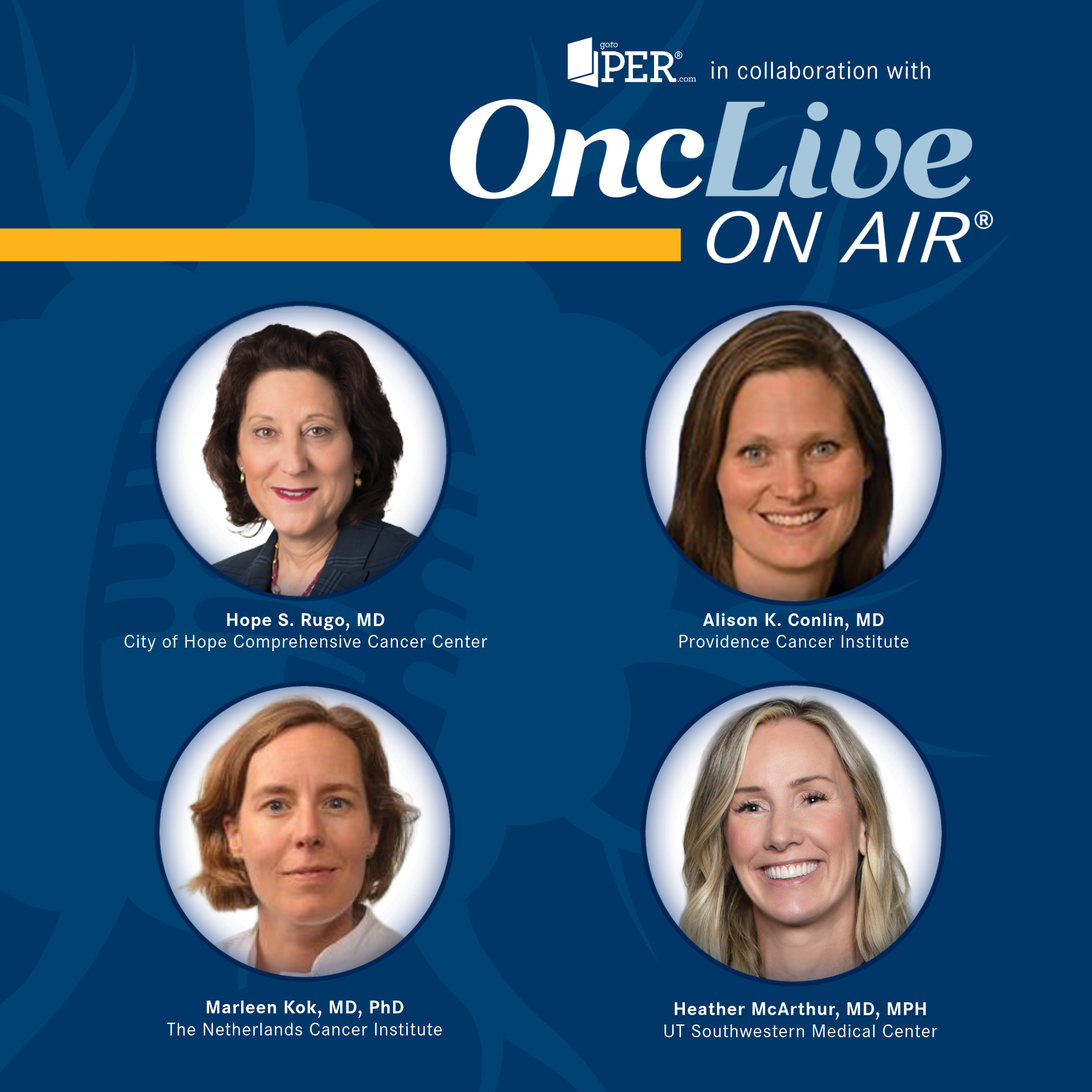
A unique advantage of the ADC datopotamab deruxtecan is its non-myelosuppressive profile. This makes it an especially attractive option for patients whose bone marrow is compromised or 'tired' after receiving intensive prior chemotherapy, a common real-world clinical scenario not always captured in trials.
When efficacy and safety profiles are comparable between ADCs like sacituzumab and datopotamab, the final choice can be guided by patient logistics. Factors include infusion frequency (Day 1 & 8 vs. every 3 weeks) and total time spent at the infusion center.
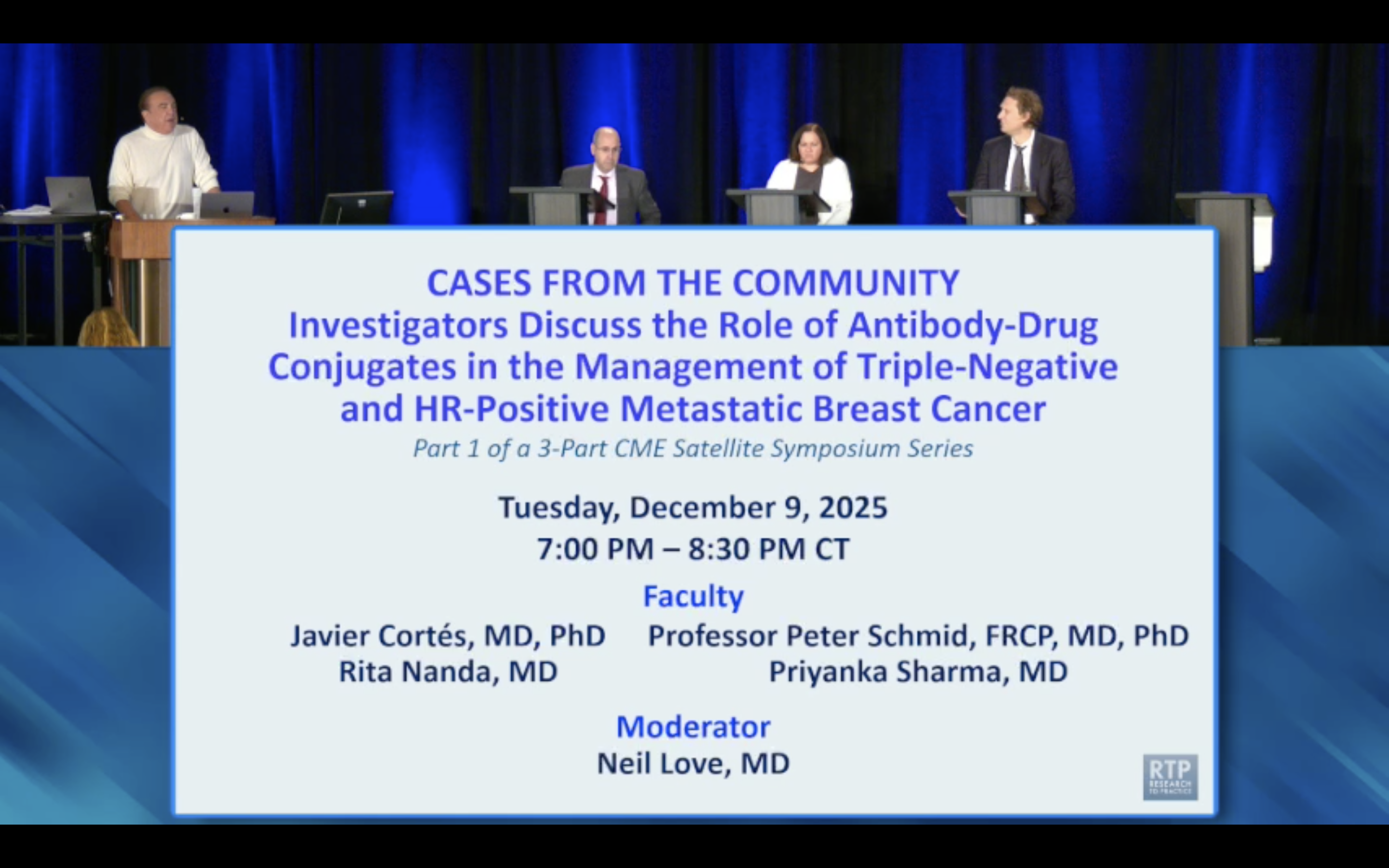
Despite both being Trop-2 targeted antibody-drug conjugates, Sacituzumab Govitecan and Datopotomab duroxotein have distinct side effects due to different linkers and payloads. Sacituzumab causes neutropenia and diarrhea, while Datopotomab is linked to stomatitis and ocular issues, requiring unique management strategies.

As multiple effective Antibody-Drug Conjugates (ADCs) become available, the primary clinical challenge is no longer *if* they work, but *how* to use them best. Key unanswered questions involve optimal sequencing, dosing for treatment versus maintenance, and overall length of therapy, mirroring issues already seen in breast cancer.
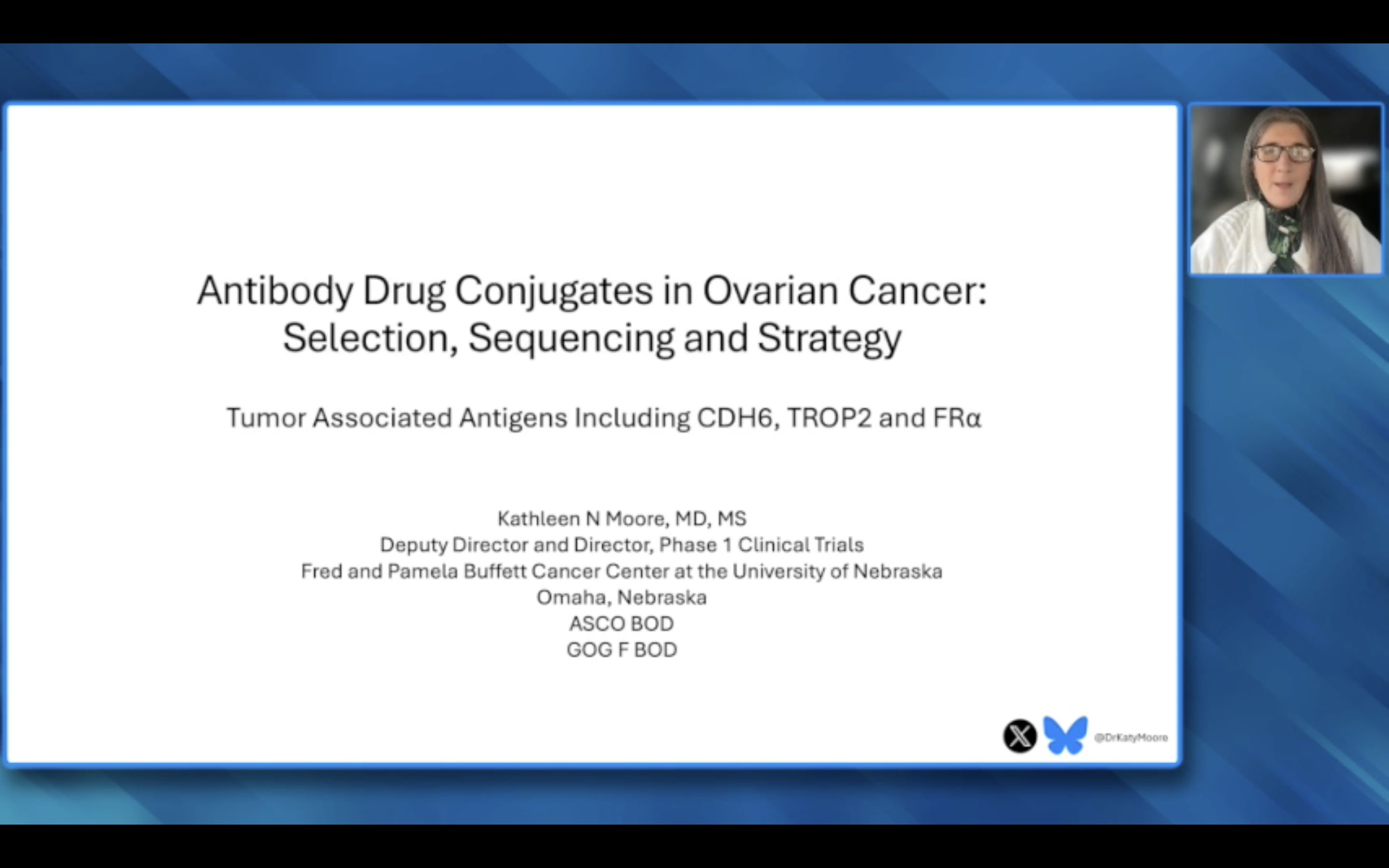
Experts are more cautious about sequencing ADCs back-to-back in triple-negative breast cancer (TNBC) compared to less aggressive subtypes. A sobering 50% of TNBC patients do not receive treatment beyond the first line, making it critical to use the most effective therapy upfront rather than saving options for later.
Clinical trial data shows that despite specific toxicities, antibody-drug conjugates (ADCs) can be better tolerated overall than standard chemotherapy. For example, trials for both sacituzumab govitecan and dato-DXd reported fewer patients discontinuing treatment in the ADC arm compared to the chemotherapy arm.