Get your free personalized podcast brief
We scan new podcasts and send you the top 5 insights daily.
To write his book, Gong's Udi Ledergor didn't just share his own perspective. He interviewed his former team and other successful CMOs. This process allowed him to reverse-engineer their collective success and distill it into timeless, first-principles frameworks applicable to any marketing team.

Related Insights
Instead of starting with academic studies, analyze what top brands are already doing successfully. Deconstruct their tactics to uncover the underlying behavioral science principles, which you can then apply with confidence to your own business.

Building a marketing system with defined processes and SOPs is not just a marketing activity; it's a business equity activity. It makes customer generation and retention predictable and transferable, transforming marketing from a cost center into a tangible asset that significantly boosts a company's valuation for a future exit.
There is no universal marketing playbook. Every company has a different mix of budget, brand recognition, and talent. The most effective marketers are resourceful chefs who create a great meal from whatever ingredients are available, rather than relying on a single recipe.

A common failure mode for new CROs is attempting to create the sales playbook in isolation. Core pillars like ICP and value proposition are company-level decisions. The CRO's role is to be interdependent, facilitating this cross-functional creation process, not dictating it.
A core lesson from Google's long-time CMO, Lorraine Twohill, is a simple three-part formula: know your product, connect it to the user, and showcase the magic. This foundational principle ensures that marketing always centers on explaining how the product's unique value directly helps the customer.
HubSpot's CMO developed brand marketing expertise not by reading, but by scheduling a dense series of conversations with top brand leaders. This "field trip" approach condenses years of learning into days, fundamentally changing one's understanding of a topic much faster than traditional methods.
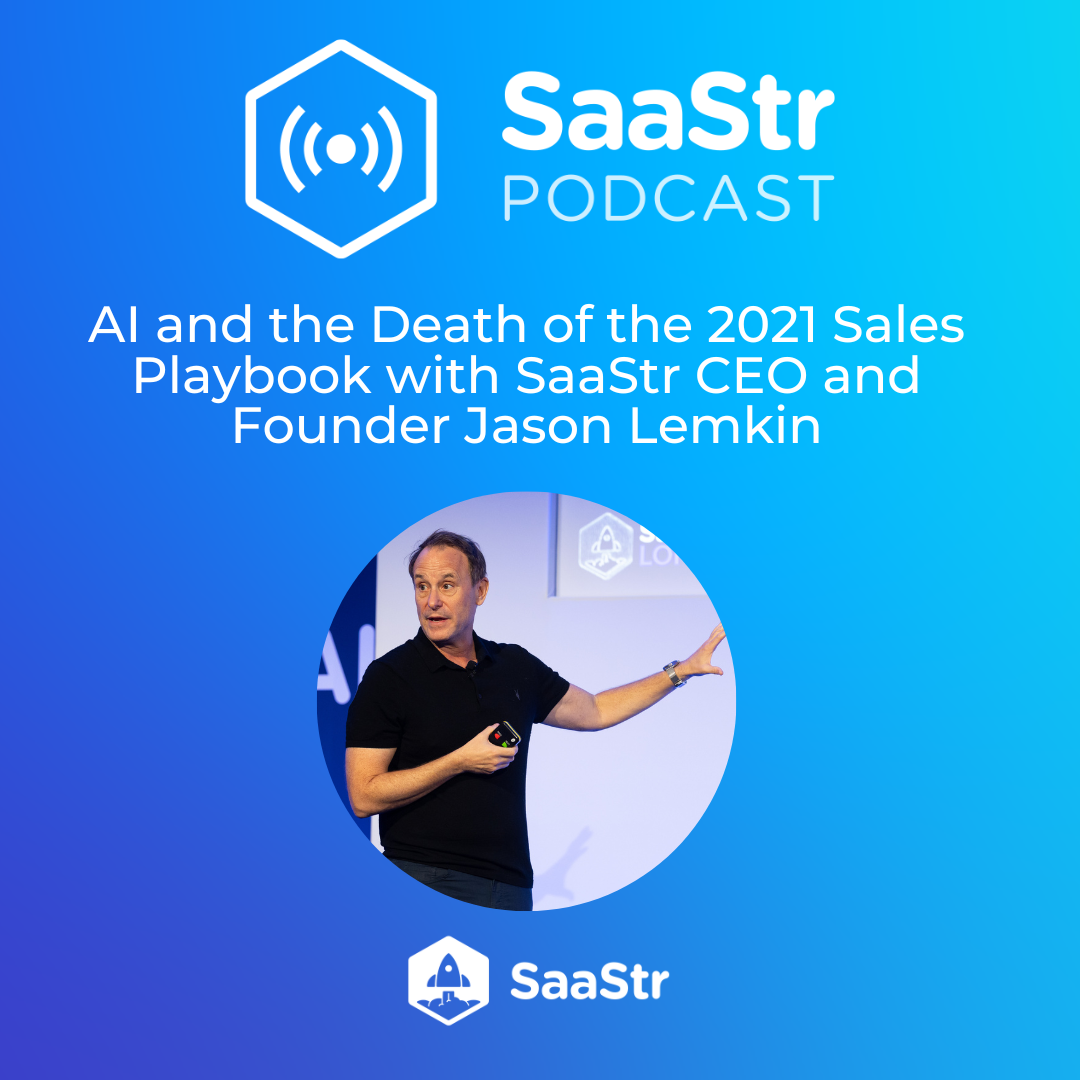
The idea that GTM playbooks are broken is a dangerous myth. Veteran B2B leaders are successfully running top AI companies using the same fundamental plays (inbound, demos). The difference is adapting to new tools and overwhelming demand, not reinventing the core strategies that have always worked. The 2021 version is obsolete, but the fundamentals are not.
Successful CMOs treat marketing as a discipline to be taught across the company, not a function to be guarded. Their role is to seduce and influence finance, sales, and operations by bringing them into the marketing mindset, rather than just learning their language.

Qualcomm's CMO actively learns by calling peers at companies like Lenovo, Google, and American Eagle to ask about their recent work. This highlights a powerful, underutilized strategy: building a network of fellow executives for direct, candid feedback and learning, leveraging the industry's general willingness to share insights.

To fix a struggling brand, don't immediately jump to new channels. Start by auditing the brand's core DNA: its proposition, audience, and the key consumer insight it leverages. Most problems stem from a lack of clarity in these foundational areas, not poor execution.