Get your free personalized podcast brief
We scan new podcasts and send you the top 5 insights daily.
Despite narratives about the death of long-form audio, Freakonomics Radio maintains its audience. Stephen Dubner credits this to ignoring trends and focusing on his own curiosity to create a high-quality product for a dedicated niche, proving consumption hasn't died, but broad investment has.

Related Insights
Unlike ephemeral social media posts, a podcast's episode library is an evergreen asset. The speaker notes that 50% of her monthly downloads come from old episodes, creating a system that generates value 24/7 and compounds over time, long after the initial creation effort.

The podcast's pitch actively counters audience burnout by promising a single, curated, "essential" conversation each week. This positioning respects the listener's time and offers a high-signal alternative in a saturated market, framing the podcast as a valuable weekly appointment rather than just another content stream.

Content creation doesn't have to be purely about serving an audience. It can be a "selfish project" where the creator uses the platform to explore their own challenges and interests. This authentic, personal journey often resonates deeply with an audience who shares similar struggles, making it a sustainable and fulfilling model.

In a saturated market, a new podcast's success hinges less on a unique idea and more on execution. Nail your target audience and the transformation you promise them, maintain a consistent release schedule, and ensure good audio quality. Clarity of who you serve is more important than being the first to cover a topic.

Chasing viral moments is a losing game. The deep, intimate connection built by being a consistent voice in someone's ears via a podcast creates more brand equity and drives bigger results than any fleeting viral hit. Trust, earned over time, compounds and cannot be bought.
The push for intellectual podcasts like Freakonomics to become TV shows is driven less by audience discovery via clips and more by the creator's ambition for a richer, more complex communication medium. The challenge is whether heady, ideas-driven content benefits from the sensory richness of video.
The pursuit of a massive, Joe Rogan-sized audience is a limiting factor in podcasting. The real opportunity lies in niche topics where hosts with deep passion and expertise can cultivate a sustainable audience of 25k-50k listeners, which is sufficient to support an ad-based model.
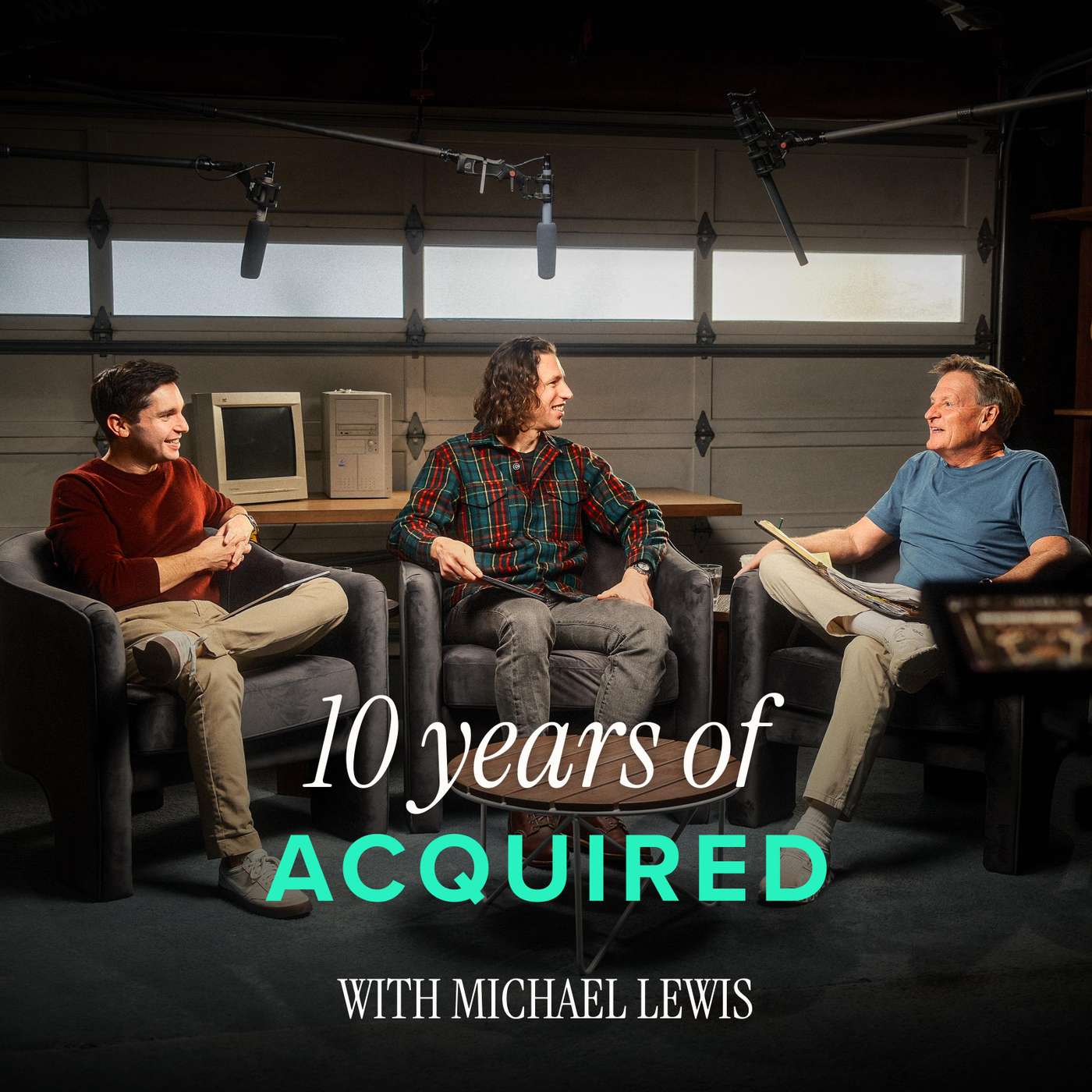
Episodes that underperformed with the general audience, like those on Nintendo or cricket, proved invaluable by attracting influential "superfans," including Meta executives and author Michael Lewis. This shows that catering to a passionate niche can yield more strategic value than broad, moderate appeal.
As the podcast market consolidates around inexpensive chat shows, Gladwell sees it as a strategic advantage. This trend makes his company Pushkin's high-production narrative podcasts more distinct and valuable, arguing against the common business impulse to follow the crowd.

Podcast listeners have higher average household incomes and greater purchasing intent. A small, dedicated audience built through the intimacy of audio is more valuable for monetization via courses and consulting than a massive but disengaged social media following.