Get your free personalized podcast brief
We scan new podcasts and send you the top 5 insights daily.
Skydio has committed to a massive $3.5 billion investment over the next five years. Uniquely, this isn't being funded by venture capital or debt, but by the company's own operating revenue. This showcases a sustainable growth model for capital-intensive businesses that prioritizes strong business fundamentals over external financing.

Related Insights
Freed from VC pressure for quarterly growth in its core market, Midjourney can funnel profits from its AI art tool into a completely different, capital-intensive hardware venture. This exemplifies how ownership and financial independence allow for ambitious, long-term bets that VCs might not approve.

Having not raised capital since 2021, The Gist operates by using revenue from its existing products to fund its next strategic bets. This forces a disciplined approach, prioritizing new initiatives with a clear path to monetization to fuel future growth.

By ensuring customers pay back their acquisition cost quickly, you eliminate cash as a growth bottleneck. This self-sufficiency means you aren't forced to take loans or investment prematurely, allowing you to negotiate from a position of strength and on your own terms if and when you decide to raise capital.

Egnyte demonstrates an alternative to the perpetual fundraising cycle. After a 2018 round, the company scaled to "several hundred million" in ARR and achieved Rule of 40 status through EBITDA-positive growth, proving that massive scale can be achieved via capital efficiency.

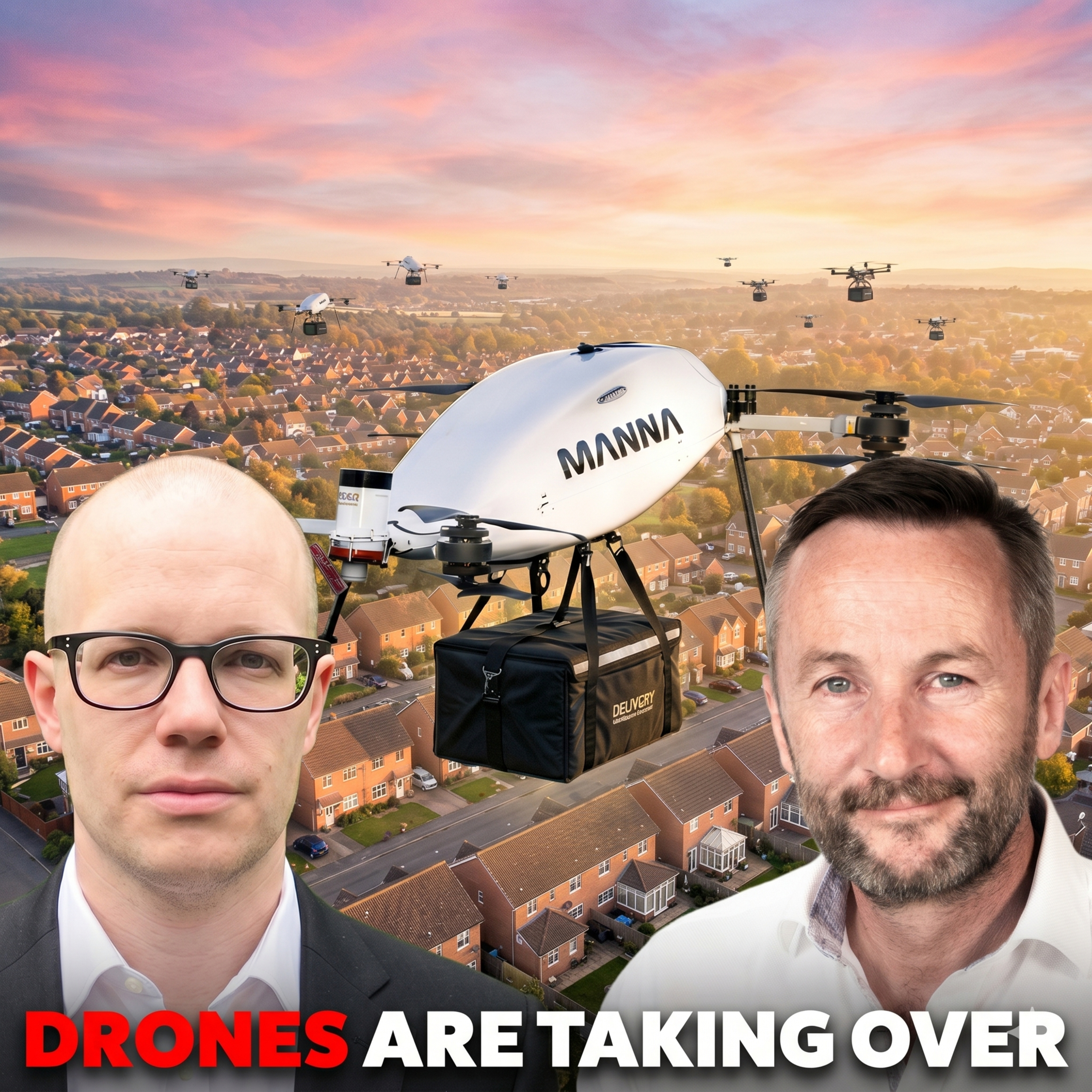
Unlike typical cash-burning startups, Mana's new drone locations are contribution-positive from the start and achieve payback in 7-12 months. This allows the company to use debt, not just dilutive equity, to finance its physical expansion, creating a highly capital-efficient scaling model.
For asset-heavy hard tech companies, debt is most effective not as a bridge to the next equity round, but to finance long-lived assets (e.g., machinery) that are directly tied to contracted revenue. This approach de-risks the loan and supports scalable growth without excessive equity dilution, a sharp contrast to SaaS venture debt norms.

Instead of raising significant venture capital, AI infrastructure company Giga Energy funded its rapid growth by requiring customers to make 30-50% down payments. These upfront payments matched their cash-out milestones, effectively allowing customers to finance the entire business.

Skydio's CEO frames their relatively small Series F as a strength. It demonstrates rapidly declining capital needs due to a strong core business and operational efficiency—a rare position for a capital-intensive hardware company.

The founder considered raising a round to fund a new product channel. However, organic revenue growth accelerated faster than investment opportunities materialized. This allowed him to hire an engineer and build the feature without dilution, proving customer revenue can be the fastest and best source of capital.

Skydio ruthlessly prioritized one vertical, 'Drone as a First Responder' (DFR), as its number one company goal, even underinvesting elsewhere. Once DFR achieved market success and generated significant revenue, the company 'earned the right' to use those profits to fund expansion into other areas, providing a model for disciplined growth.