Get your free personalized podcast brief
We scan new podcasts and send you the top 5 insights daily.
Washington's readout detailed specific Chinese commitments, like purchasing 200 Boeing aircraft. Beijing's version was vague, acknowledging general goals but not specific figures, suggesting different takeaways or strategic messaging for domestic audiences after the summit.

Related Insights
The summit represents a temporary lull in an ongoing, long-term competition, not a fundamental shift toward resolution. Beijing views it as a tactical 'test of wills' to buy time and strengthen its capabilities while maintaining a competitive mindset.

Despite potentially positive "vibes" from diplomatic summits, the national security establishments in both the US and China will likely continue to view each other as implacable adversaries. This creates a disconnect where public-facing diplomacy fails to alter the underlying suspicion and strategic competition driven by each country's "deep state."
High-level diplomatic summits between the U.S. and China are likely to produce positive public rhetoric and a cooperative tone. However, this is merely “mood music.” Behind the scenes, the security and intelligence apparatus in both nations continues to operate with deep suspicion, viewing the other as an implacable adversary.

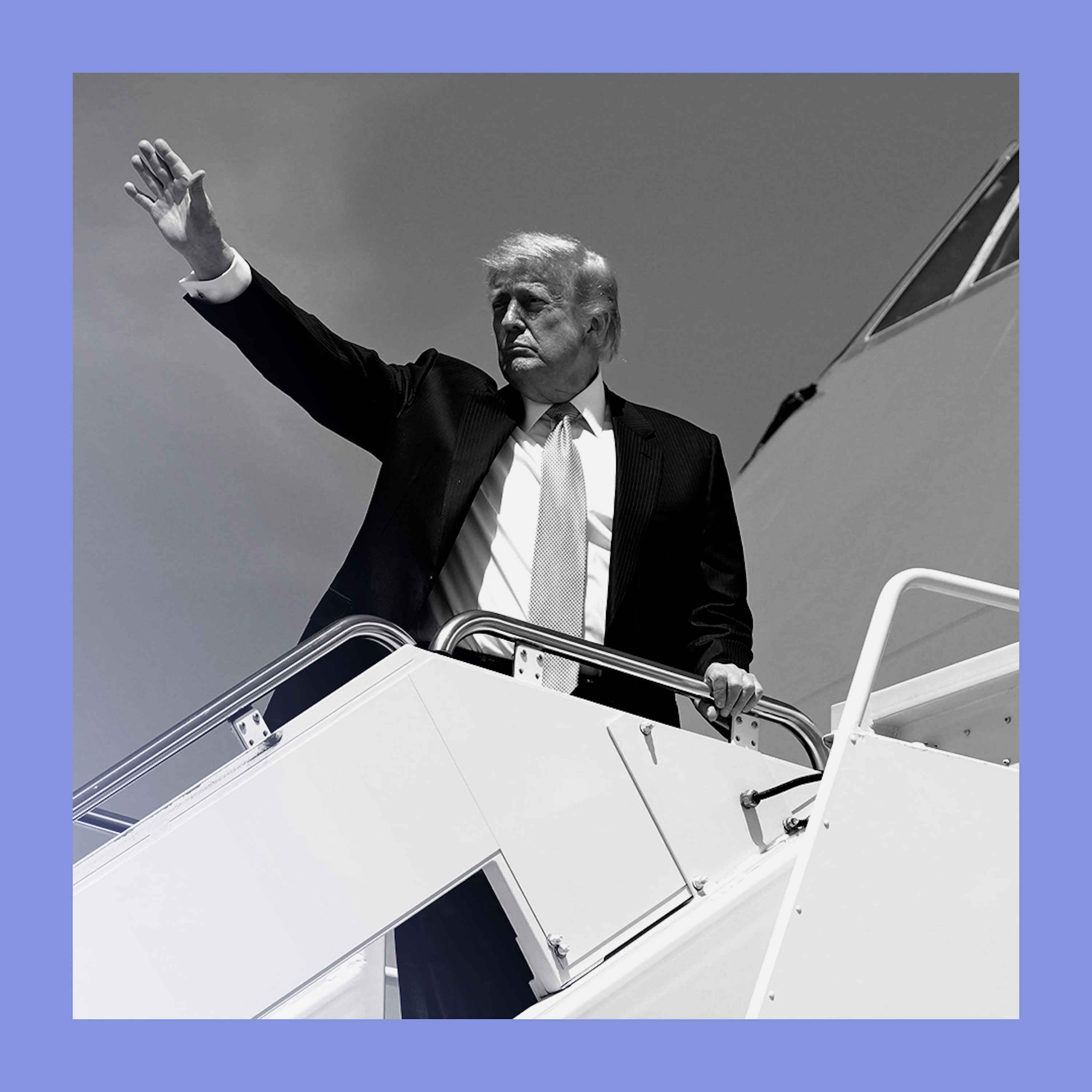
During the Trump-Xi summit, China is explicitly linking its willingness to make economic deals, such as buying more American goods, to the U.S. shifting its stance on Taiwan. Beijing wants President Trump to formally oppose Taiwanese independence, using trade as a bargaining chip for a key geopolitical objective.
Investors should prioritize the summit's diplomatic tone over tangible trade deals. Language indicating continued negotiation and future cooperation is the most critical signal for how the U.S.-China relationship will evolve, impacting long-term market sentiment more than minor concessions.

While the US administration celebrated a deal, China's official media has remained silent, only mentioning a need to finalize follow-up steps. This discrepancy suggests Beijing views the agreement as a tentative pause, waiting to see US actions before fully committing.
Beyond typical trade issues like tariffs, Beijing's negotiating strategy with the U.S. has evolved. A key demand is securing the ability for Chinese national champions like BYD (EVs) and CATL (batteries) to build and operate manufacturing plants, either as joint ventures or wholly-owned entities, within the United States.
The high-level summit is less about idealistic cooperation and more a transactional negotiation to divide the world into spheres of influence. This trade involves access to critical resources like energy and rare earths in exchange for geopolitical de-escalation in key regions like South America and the Middle East.

High-stakes meetings between US and Chinese leaders may focus more on projecting positive "mood music" than achieving concrete outcomes. For a US president needing a foreign policy win, China can offer the appearance of cooperation, such as promising future purchases, without making significant concessions on core security or technology issues.
A summit like the Trump-Xi meeting, which includes an entourage of top CEOs, is too high-profile to risk failure. Its primary purpose is likely ceremonial, designed to publicly ratify significant deals that have already been secretly negotiated to avoid political embarrassment and ensure a successful outcome.