Get your free personalized podcast brief
We scan new podcasts and send you the top 5 insights daily.
Daydream, a dental tech startup, can't compete with OpenAI on salary. Instead, it recruits engineers by framing its mission as helping small business owners (the underdog dentists) fight back against large, impersonal insurance companies. This emotional appeal attracts mission-driven talent.

Related Insights
Like Napoleon, founders can attract top talent by giving them a grand mission, branding teams to create a proud identity (e.g., "the men without fear"), and demonstrating they are in the trenches alongside their people. This builds loyalty far beyond compensation.

People are more motivated by fighting a negative societal trend than by hitting financial targets. Framing your company's work as a "resistance" movement—like fighting loneliness in a digital world—creates a powerful, unifying rally cry for your team.
Early-stage startups can't win on salary. The ideal hire is a veteran from a top tech company who has already achieved financial security. They are motivated by passion for the mission, not compensation, and are more likely to accept an equity-heavy package.

To lure senior talent from giants like SpaceX, Base Power pitched more than equity. It offered a chance to work on humanity's hardest problems (energy), promising a continuous stream of complex challenges that top performers crave, alongside massive economic upside.

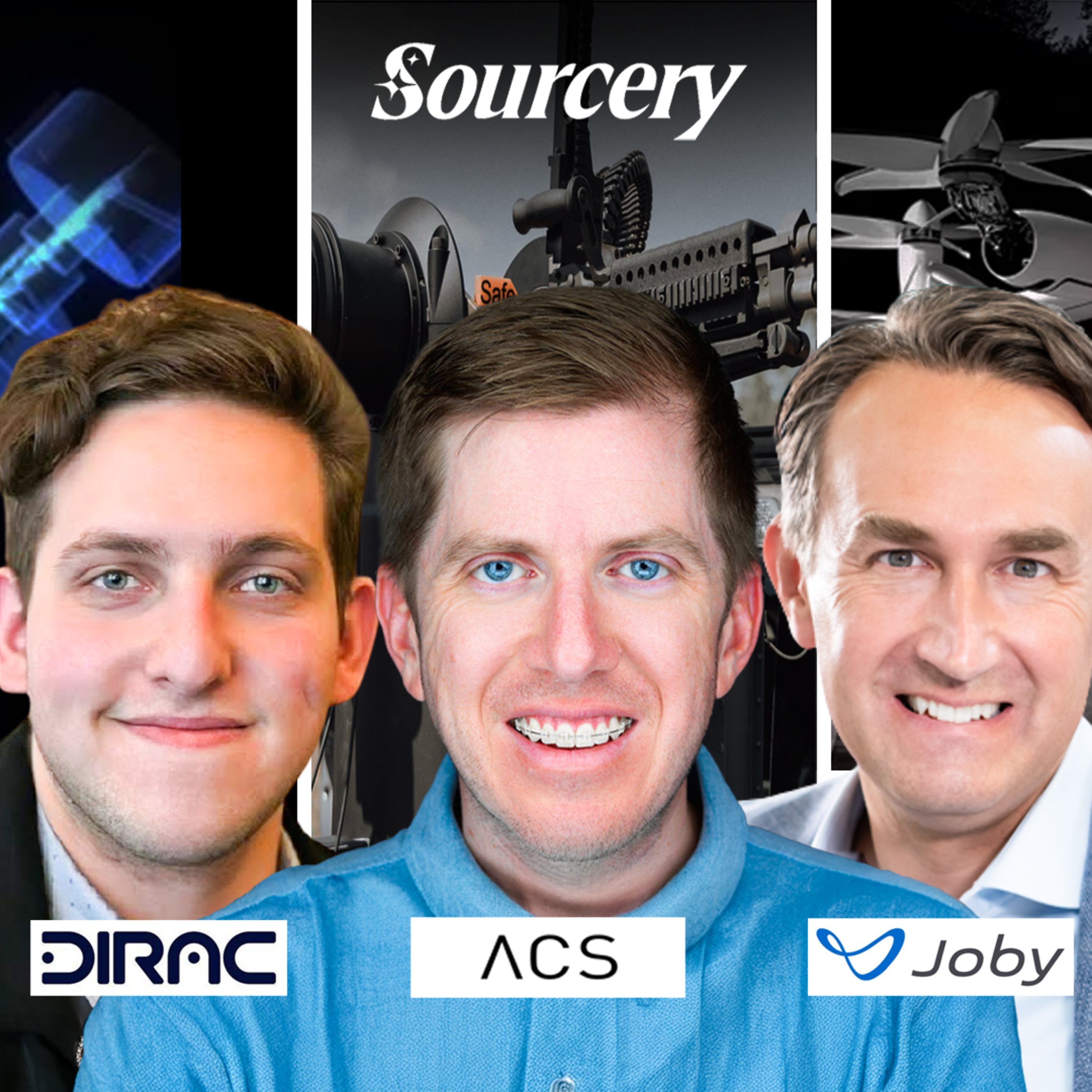
When asked how he recruits talent for a challenging hardware business, the founder of Allen Control Systems stated it's easy because 'We're making the greatest weapon system in American history.' This demonstrates that for deep tech and defense startups, a powerful and ambitious mission can be more effective than conventional recruiting strategies.
When Bill Gates personally called candidates Trilogy was recruiting, founder Joe Lonsdale countered by escalating with unique experiences like week-long ski trips. This shows smaller companies can win talent wars against giants by offering personal touches and a sense of community that larger corporations can't replicate.
Solving a big, ambitious problem isn't just for market size; it's a powerful recruiting tool. It's not materially harder than solving a smaller problem, but it attracts more interesting, motivated people who want to work on challenging missions. This talent advantage can be decisive.

Nominal leverages its mission of building real-world things—like autonomous aircraft and fusion reactors—to attract top engineers. The appeal of tangible, meaningful impact provides a significant recruiting advantage over mainstream SaaS or ad-tech, especially for talent seeking purpose in their work.

Etched's seemingly impossible mission—two 24-year-olds taking on NVIDIA—acts as a natural recruiting filter. It deters opportunistic candidates and attracts those who are wired to take on extreme challenges, self-selecting for a team that is personally invested in proving the vision right.
![Etched - Building AI Hardware to Make Inference Faster and Cheaper - [Invest Like the Best, EP.480] thumbnail](https://megaphone.imgix.net/podcasts/532910c4-743d-11f1-b7dc-b31915c88b79/image/810c9e3a23b5c4ea0a56e5e4cc8d7e47.jpg?ixlib=rails-4.3.1&max-w=3000&max-h=3000&fit=crop&auto=format,compress)
To convince Clarify, an AI startup specializing in computer vision for wedding blogs, to work on a military project, Maven's leader framed the mission as humanitarian. He argued the AI would help prevent misidentification and save soldiers' lives, a compelling narrative that successfully swayed the founder and his team.
