Get your free personalized podcast brief
We scan new podcasts and send you the top 5 insights daily.
Meta announced Joel Kaplan, its policy chief, is leaving weeks before midterms. Kara says Kaplan had made Meta friendlier to conservatives; his replacement Dina Powell is softer and well-liked. She thinks Meta is preparing for a more hostile political environment. Casey Newton says Kaplan's work is done.

Related Insights
The tech industry's attempt to create apolitical workplaces, championed by leaders like Coinbase's CEO, is proving unsustainable. Major national events are making this stance untenable, as the external world forces its way in and compels responses from employees and executives alike, showing the limits of the approach.

Meta's appointment of Dina Powell-McCormick as president is a strategic move to leverage her deep ties to both Middle Eastern sovereign wealth funds and the Trump administration. This positions Meta to fund its massive AI infrastructure buildout and navigate the critical intersection of global politics and business.

The White House's public criticism and warnings to OpenAI about hiring policy writer Dean Ball signal that AI talent and policy roles are becoming highly politicized. This suggests that AI labs' hiring decisions can directly impact their relationship with the current administration, regardless of the role's focus.

Despite a public rightward shift among tech elites, the industry's progressive faction remains influential. Years of layoffs and a changing political climate may have quieted them, but they are still active and poised to drive future ideological conflicts within the tech industry.
The rise of the "Tech Right" is less a monolithic ideology and more a psychological reaction from a small group of powerful executives. They feel an intense social threat from their predominantly liberal, activist employee base, which gained internal power and influence, leading to a conservative backlash from leadership.

Her appointment is not about appeasing Trump but is a strategic move to leverage her deep government and finance network to secure massive public financing for Meta's prohibitively expensive AI data center expansion.

Vinay Prasad's ouster was driven by political calculus ahead of the midterm elections, not internal policy disputes. Public attacks from Pfizer's CEO and poor polling on his anti-vaccine stances made him a liability for the White House, which prioritized political stability over his controversial agenda.

Meta's decision to have 65-year-old AI research legend Jan LeCun report to 27-year-old Scale AI CEO Alexander Wang was a deliberate strategic move. This "disrespectful" power play likely aimed to either force LeCun to ship product faster or push him out, signaling a shift from pure research to practical application.
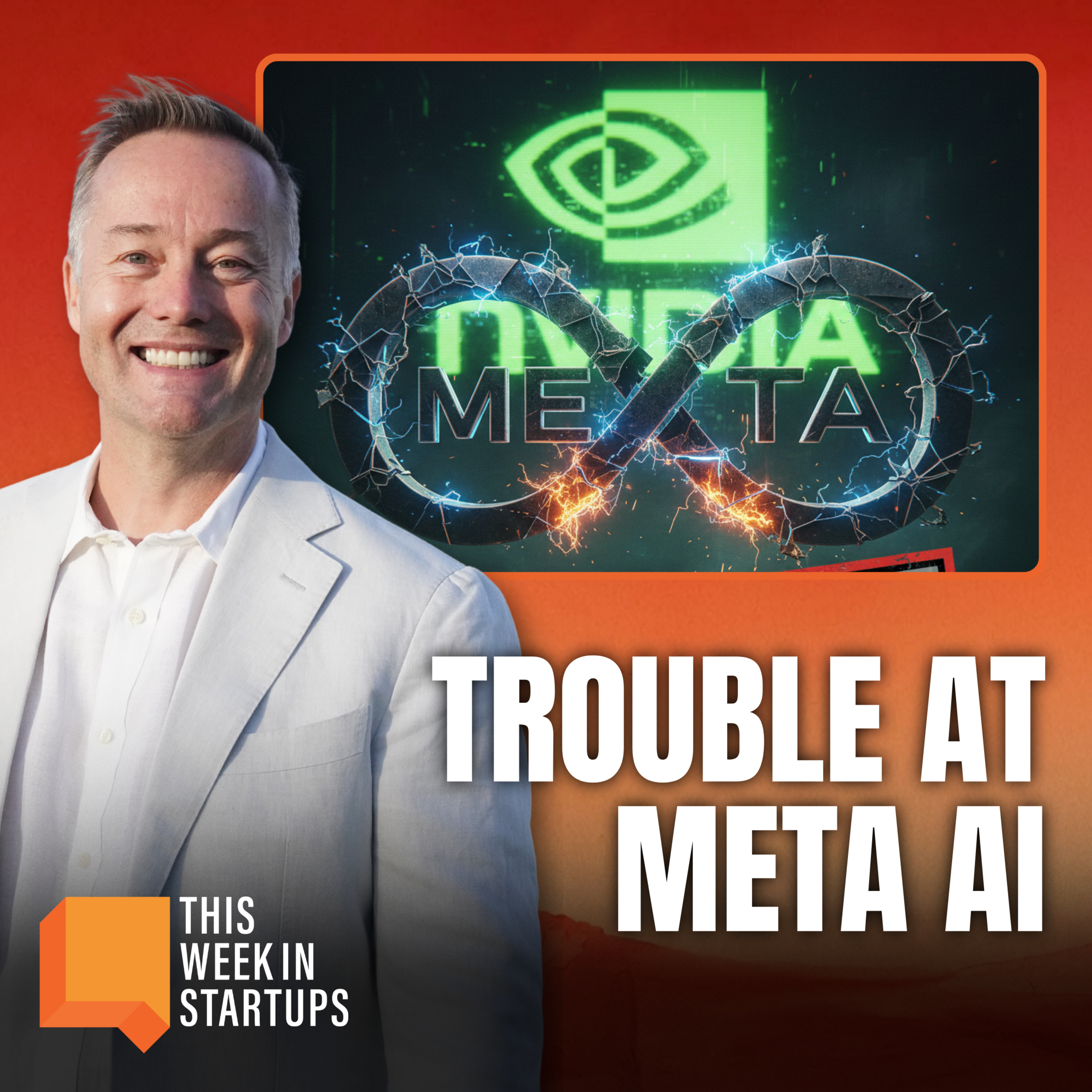
AI pioneer Yann LeCun's departure from Meta reveals major internal conflict. He publicly called the company's LLM-focused strategy a "dead end" and alleged performance benchmarks for its Llama 4 model were "fudged," signaling a deep strategic crisis.

When a company like Meta pivots hard into a new area like AI, it can create a 'meaning gap' for employees who signed up for the original mission. This disconnect between their original purpose and the new corporate focus can lead to significant morale problems and attrition.