Get your free personalized podcast brief
We scan new podcasts and send you the top 5 insights daily.
When a company like Meta pivots hard into a new area like AI, it can create a 'meaning gap' for employees who signed up for the original mission. This disconnect between their original purpose and the new corporate focus can lead to significant morale problems and attrition.

Related Insights
OpenAI's new "General Manager" structure organizes the company into product-line P&Ls like Enterprise and Ads. This "big techification" is designed to improve commercial execution but clashes with the original AGI-focused mission, risking demotivation and attrition among top researchers who joined for science, not to work in an ads org.

Meta's decision to cut 600 jobs, including tenured researchers, from its Fundamental AI Research (FAIR) lab reflects a strategic pivot. The stated goal to "clean up organizational bloat" and "develop AI products more rapidly" shows that big tech is prioritizing immediate product development over long-term, foundational research.

An influx of Meta alumni, now 20% of staff, is causing internal friction. A 'move fast' focus on user growth metrics is clashing with the original research-oriented culture that prioritized product quality over pure engagement, as exemplified by former CTO Mira Murati's reported reaction to growth-focused memos.
Meta's layoffs are a financial trade-off: human capital for AI infrastructure. The cruel irony is that remaining employees are now monitored to provide the training data for the AI that is not only supplanting their colleagues' jobs but also represents the company's future investment priority over its workforce.

Meta's strategy of poaching top AI talent and isolating them in a secretive, high-status lab created a predictable culture clash. By failing to account for the resentment from legacy employees, the company sparked internal conflict, demands for raises, and departures, demonstrating a classic management failure of prioritizing talent acquisition over cultural integration.
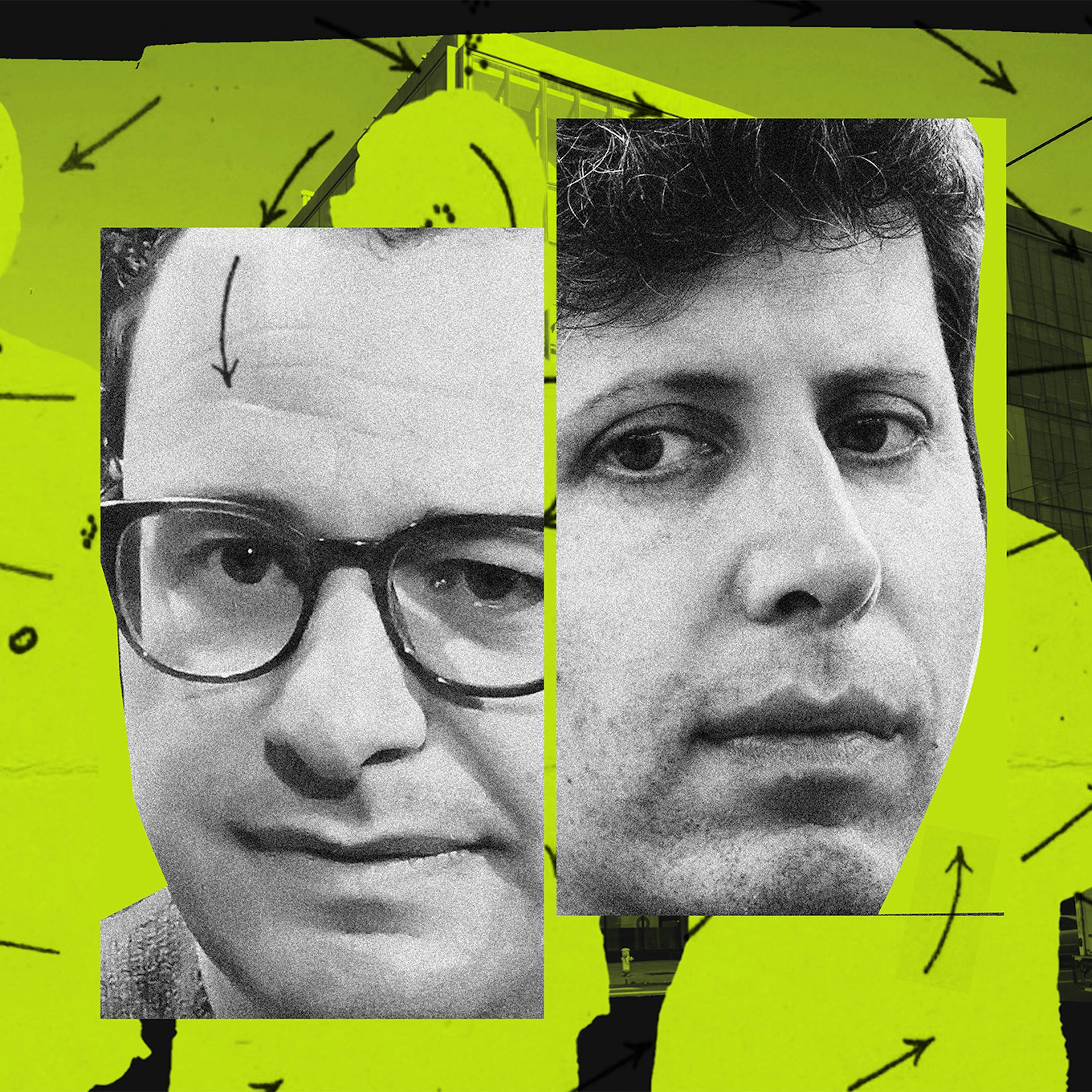
As OpenAI and Anthropic gear up to go public, the pressure to generate profit is mounting. This shift from pure research to building ad-driven, commercial products creates a culture clash, causing disillusioned engineers who joined for loftier goals to quit.
The new, siloed AI team at Meta is clashing with established leadership. The research team wants to pursue pure AGI, while existing business units want to apply AI to improve core products. This conflict between disruptive research and incremental improvement is a classic innovator's dilemma.
When tech giants release low-ambition AI products, it damages their ability to recruit top talent who are drawn to mission-driven projects. This forces companies to significantly increase signing bonuses to compensate for the less inspiring work, turning a product launch misstep into a costly talent acquisition challenge.

For elite AI researchers who are already wealthy, extravagant salaries are less compelling than a company's mission. Many job changes are driven by misalignments in values or a lack of faith in leadership, not by higher paychecks.
Amid a perceived oversupply of engineers, Meta focuses less on employee retention through perks and culture. This has made it a more stressful place to work, with layoff fears looming, even as the business performs well for stockholders. The leverage has shifted from employee to employer.