Get your free personalized podcast brief
We scan new podcasts and send you the top 5 insights daily.
Instead of auto-generating generic messages, GroupTogether's AI helps users enhance their own personal sentiments by rewriting them in creative styles, like a poem or in the style of Beyoncé. This makes the final message feel more thoughtful and personal, not less.

Related Insights
Generative AI is a powerful tool for accelerating the production and refinement of creative work, but it cannot replace human taste or generate a truly compelling core idea. The most effective use of AI is as a partner to execute a pre-existing, human-driven concept, not as the source of the idea itself.

Surveys show people believe AI harms creativity because their experience is limited to generic chatbots. They don't grasp "context engineering," where grounding AI in your own documents transforms it from a generalist into a powerful, personalized creative partner.
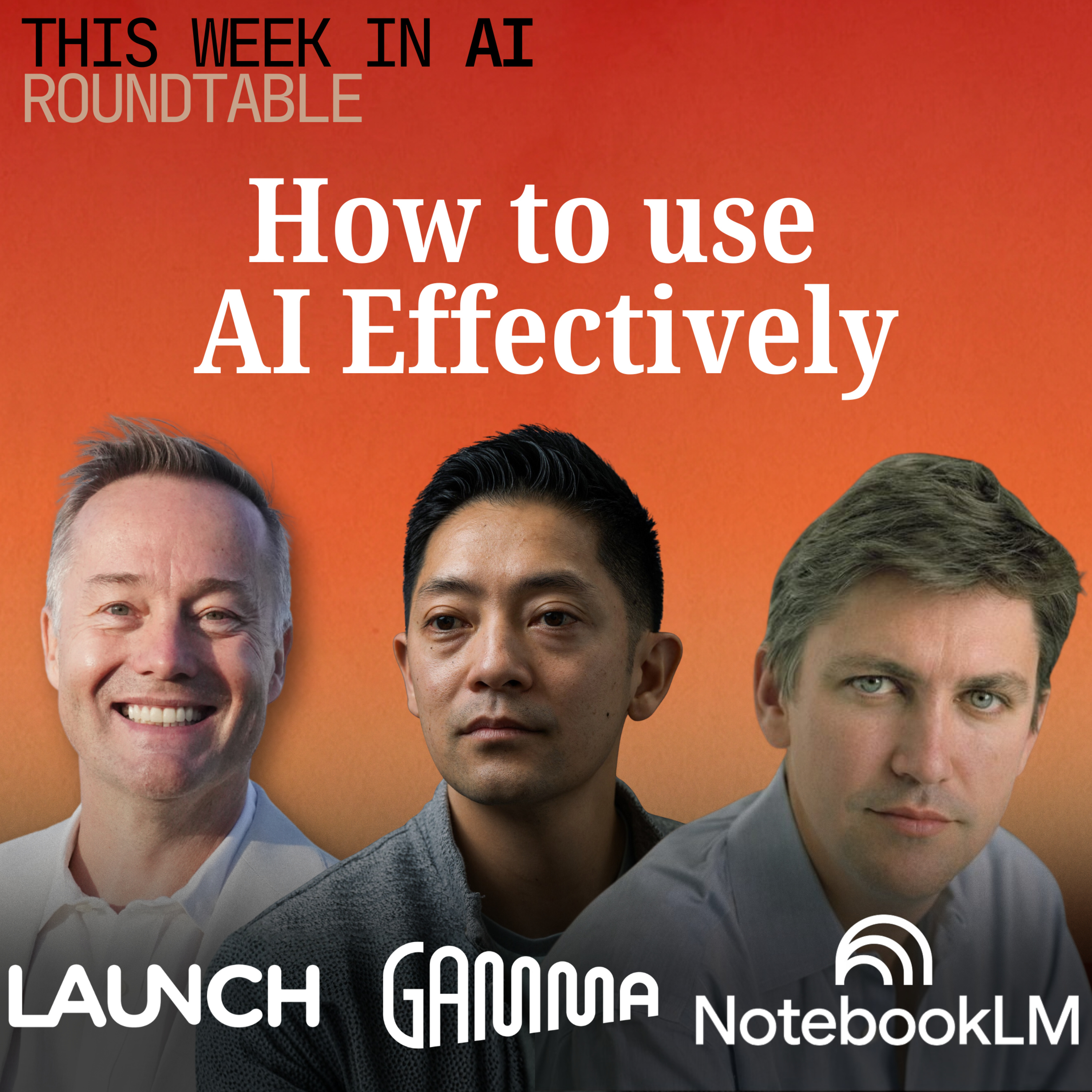
Leverage AI in email marketing not to replace your voice, but to augment it. Use tools like ChatGPT as a brainstorming partner to generate angles and outlines. This frees up your creative energy to focus on infusing the content with personal stories and genuine connection that only a human can provide.

Instead of asking an LLM to generate a full email, create a workflow where it produces individual sections, each with its own specific strategy and prompt. A human editor then reviews the assembled piece for tone and adds "spontaneity elements" like GIFs or timely references to retain a human feel.

To avoid generic, creatively lazy AI output ("slop"), Atlassian's Sharif Mansour injects three key ingredients: the team's unique "taste" (style/opinion), specific organizational "knowledge" (data and context), and structured "workflow" (deployment in a process). This moves beyond simple prompting to create differentiated results.

The most effective way to use AI in creative fields is not as an automaton to generate final products, but as a tireless, hyper-knowledgeable writing partner. The human provides taste and direction, guiding the AI through back-and-forth exchanges to refine ideas and overcome creative blocks.

While AI offers efficiency gains, its true marketing potential is as a collaborative partner. This "designed intelligence" approach uses AI for scale and data processing, freeing humans for creativity, connection, and building empathetic customer experiences, thus amplifying human imagination rather than just automating tasks.
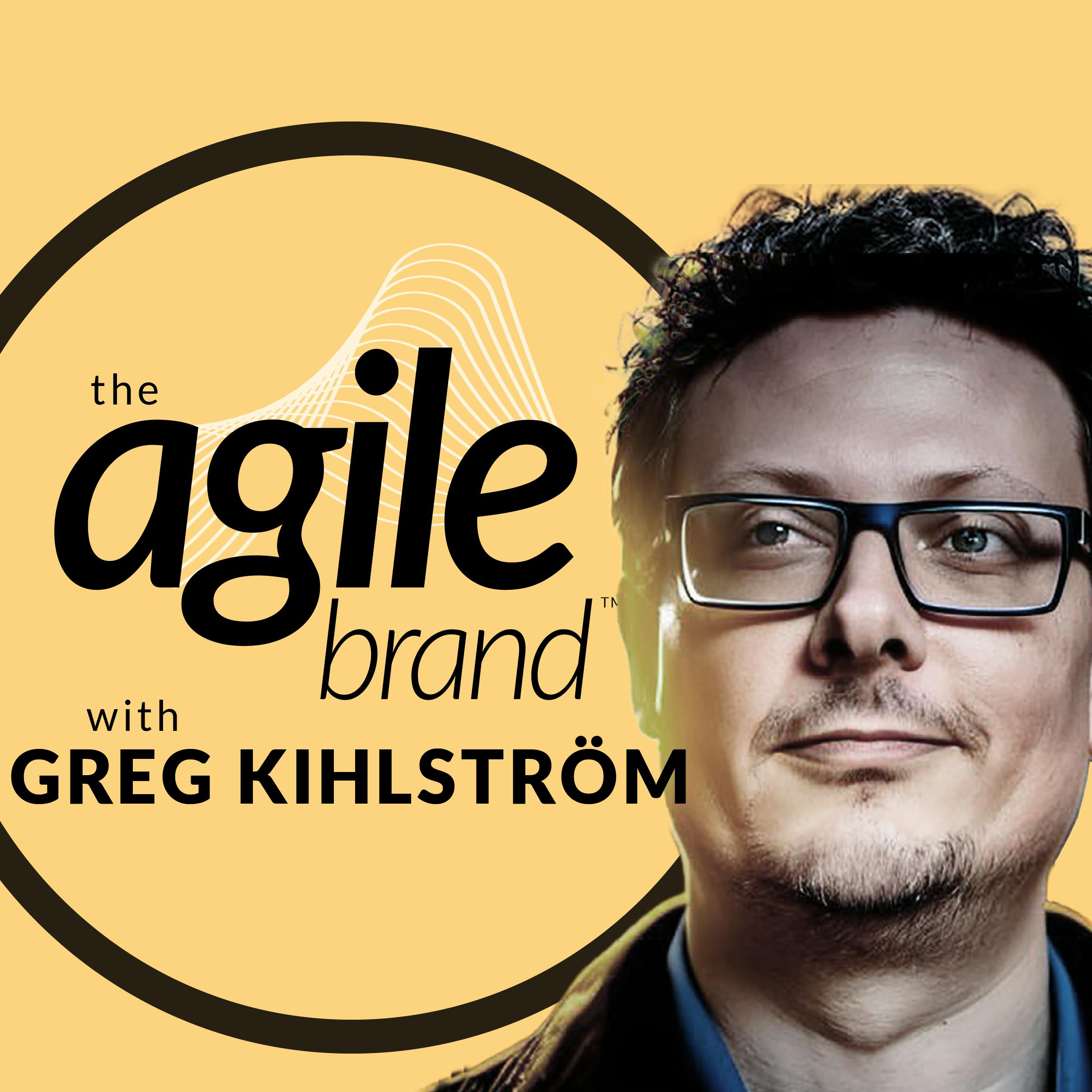
Most AI writing tools produce generic content. Spiral was rebuilt to act as a partner. It first interviews the user to understand their thoughts and taste, helping them think more deeply before generating drafts. This collaborative process avoids "slop" and leads to more authentic writing.

While many brands use AI for copy and images, Lore's CEO deliberately avoids it for most creative work to support human craft. She reserves generative AI for specific tasks that defy physics or are imprudent in the real world, using it as a specialized tool rather than a replacement for human talent.
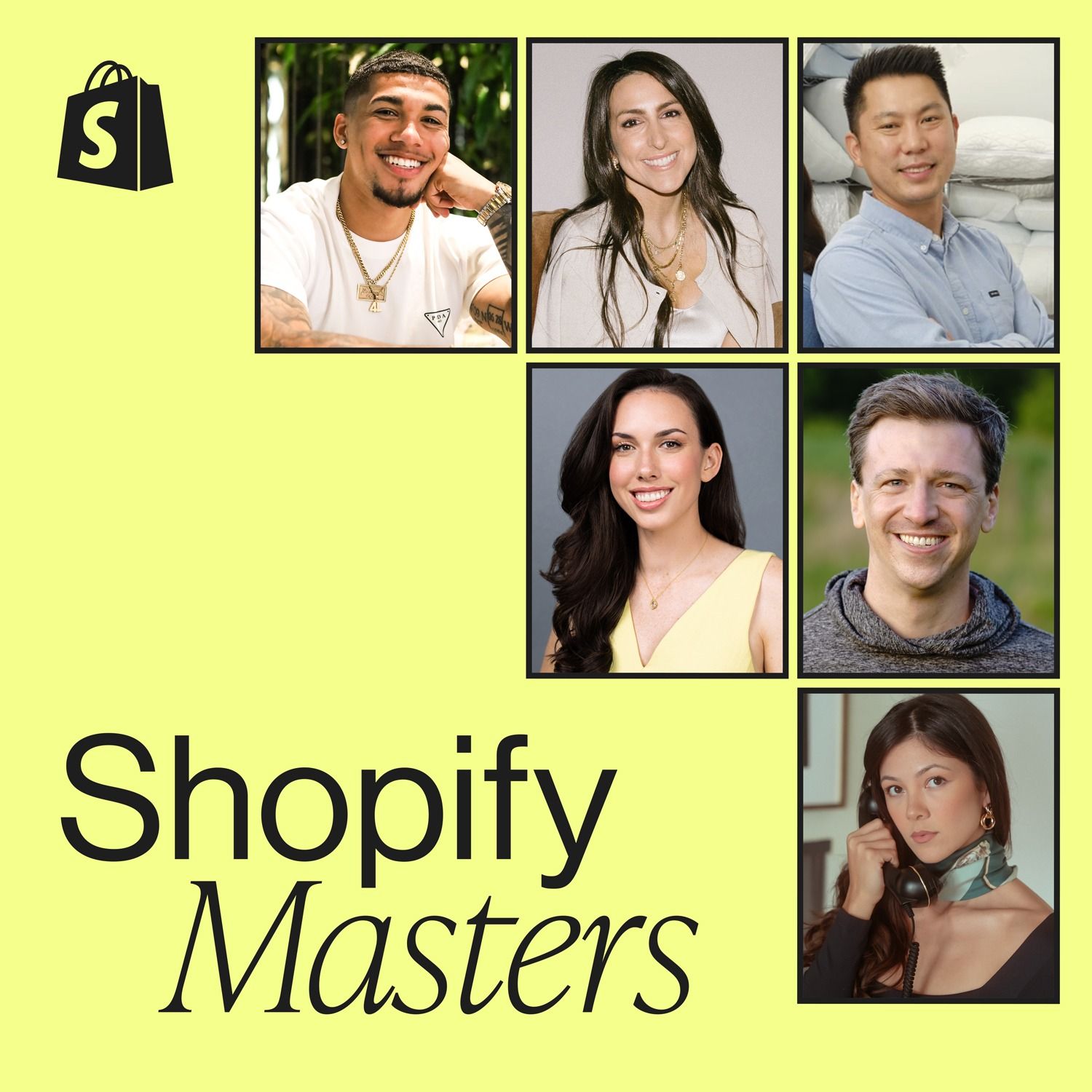
AI should not be the starting point for creation, as that leads to generic, spam-like output. Instead, begin with a distinct human point of view and strategy. Then, leverage AI to scale that unique perspective, personalize it with data, and amplify its distribution.