Get your free personalized podcast brief
We scan new podcasts and send you the top 5 insights daily.
A state attorney told the host she would not describe her trip because every minute was billable, then offered to talk over drinks. The host says the line acknowledged the attorney stereotype and showed respect for his time, which earned credibility. It shows humor can elevate position when used in the moment.

Related Insights
A host says he has learned not to try humor until the other party makes a humorous comment, because that opens the door. He permits self-deprecating lines earlier, but warns that misreading the room with a joke can backfire. When the prospect jokes first, the salesperson can safely join in.
After reneging on a job offer from a CEO who then became her new boss, she faced an incredibly awkward first meeting. She broke the extreme tension by proactively greeting him with a disarming joke ("What are you stalking me now?"), which reset their relationship.

Humor is a tool for managing an audience's emotional state. By inserting a well-placed joke after a high-stakes moment (e.g., a pregnant woman screaming), a speaker can signal that the story is safe, preventing the audience from worrying about a tragic outcome and keeping them engaged.

Reframe the criticism that your niche "isn't a real job" with a clever, self-deprecating joke about income. The format, "I make double your monthly salary in a year," initially sounds arrogant but is actually a humble admission, making it highly relatable and shareable for others in your field.

Injecting humor or pop culture references into interviews is not just for breaking the ice. It serves as a deliberate test for 'culture fit' by gauging a candidate's sense of humor, which strongly correlates with desirable traits like flexibility, curiosity, and friendliness that are difficult to assess directly.
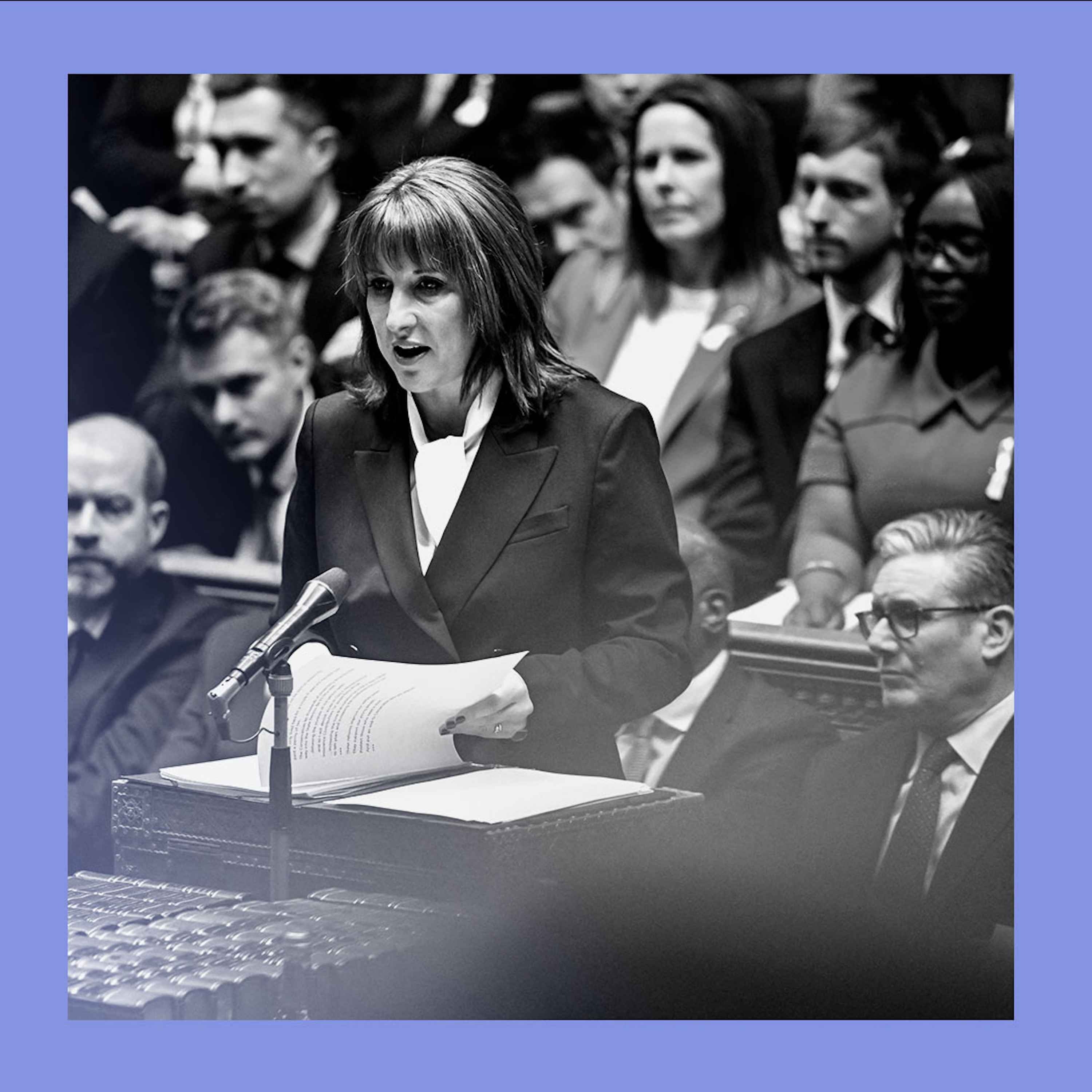
The hosts contrast an elaborate joke with a quick line about a price being 'never more than a million dollars.' They say good humor comes from the immediate situation, while planned or canned material does not work. The price line is offered as a spontaneous example that lowers pressure.
Nostalgia is a low-risk strategy for incorporating humor into a business context. Recalling outdated practices (like finding jobs in a newspaper) makes people laugh while also demonstrating historical knowledge of an industry, making the speaker seem both funny and wise.
Successfully telling a joke, especially one that pushes boundaries slightly, is the ultimate demonstration of comfort and control in a social setting. However, it's a high-risk maneuver; a joke that falls flat can be disastrous. Use humor sparingly and with a strong read of the room.

Engaging controversial figures through a comedic lens serves as a powerful humanizing agent. It punctures their self-serious persona and tests their ability to laugh at the absurdity of their own position. This can disarm audiences who expect confrontation and instead reveal a more relatable, self-aware individual.

Bradshaw rejects traditional corporate advice that leaders must remain strictly solemn to retain credibility. After an executive warned him that humor on television would cost him authority, he recognized that unshakeable credentials cannot be erased by laughter. Warmth, humor, and self-deprecation disarm others and build better commercial and personal connections than rigid posturing.
