Get your free personalized podcast brief
We scan new podcasts and send you the top 5 insights daily.
Artificial sweeteners trick the tongue's taste receptors, but they do not activate the specialized sugar sensors in the gut. Because this gut-to-brain signal is what truly reinforces sugar consumption and satisfies the underlying craving, sweeteners alone will never quench the desire for real sugar.

Related Insights
Drugs like Ozempic (GLP-1 agonists) show promise for addiction treatment because they may reduce the fundamental 'wanting' of a substance, rather than just helping a person fight cravings. An addicted patient's core desire is often 'not to want,' and these drugs may directly address that by altering the brain's reward and satiety signaling.

Your food cravings may not be entirely your own. Harmful gut microbes can release compounds that chemically increase your desire for the ultra-processed, high-sugar foods they feed on, effectively sabotaging your health goals from within.

When a glucose crash occurs, it triggers a powerful biological mechanism in the brain that is nearly impossible to override with willpower. Telling someone to 'just eat less sugar' is ineffective. To stop cravings, one must first fix the glucose spikes that cause the crashes.

The satiation signal from GLP-1s to the brain stem also down-regulates dopamine and the desire for it. This explains anecdotal reports and active studies on their effect in reducing cravings for nicotine, alcohol, shopping, and gambling.

The tongue provides the initial pleasant taste of sugar, but the deep, insatiable craving is driven by a separate pathway. Specialized cells in the gut detect sugar after ingestion and send a powerful reinforcement signal to the brain via the vagus nerve, creating a learned, powerful preference.
Constantly bombarding our reward pathways causes the brain to permanently weigh down the 'pain' side of its pleasure-pain balance. This alters our baseline mood, or 'hedonic set point,' meaning we eventually need our substance or behavior not to get high, but simply to escape a state of withdrawal and feel normal.
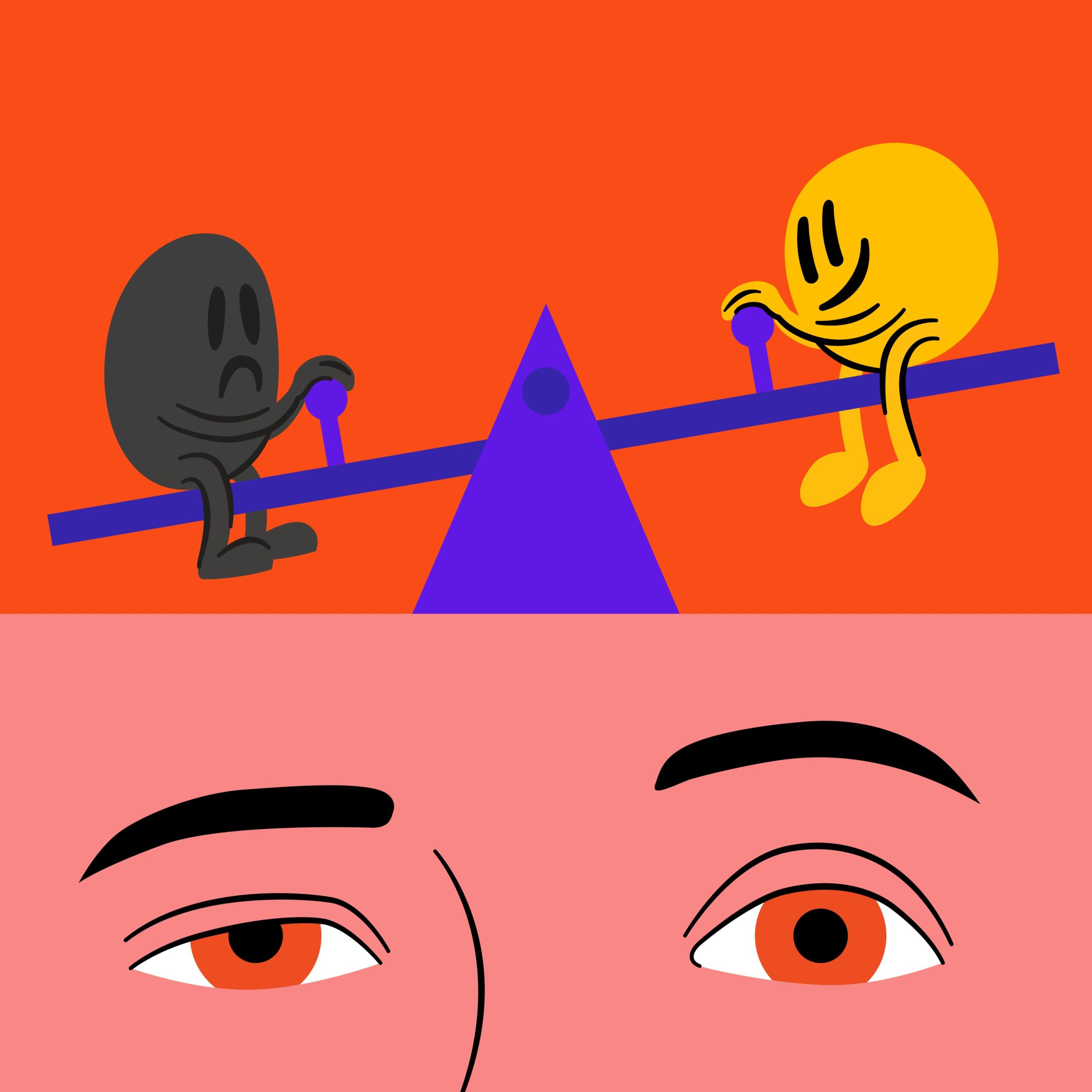
The crash following a glucose spike activates the brain's craving center. This is a physiological command, not a lack of willpower. Stabilizing glucose levels eliminates the biological trigger for intense cravings, making them naturally disappear.

The prevailing view treats obesity as a metabolic disorder. However, the brain is the ultimate conductor, controlling appetite and cravings. This suggests conditions like obesity are rooted in the brain's circuits that process reward and internal states, making it a neurological issue, not just a physiological one.
Taste perception isn't fixed; it's modulated by your body's internal state. For example, highly concentrated salt water is normally aversive. However, if you are salt-deprived, your brain will override the tongue's signal and make that same taste intensely appetitive to correct the physiological imbalance.
Foods manufactured with a "bliss point" of fat, salt, and sugar chemically alter your taste preferences. To appreciate natural flavors, you must undergo a period of retraining your taste buds, as they crave what you consistently feed them, not what is actually nutritious.