Get your free personalized podcast brief
We scan new podcasts and send you the top 5 insights daily.
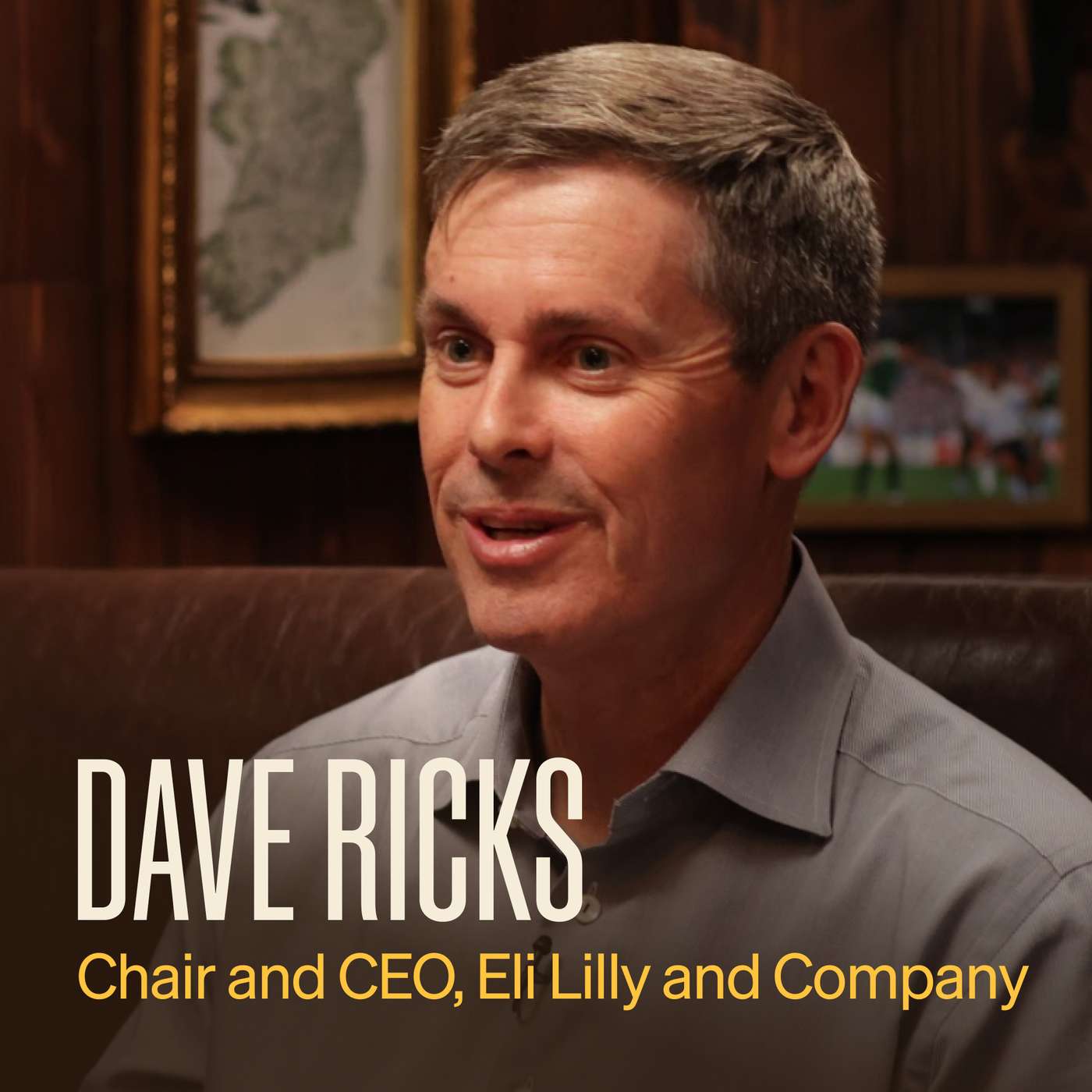
To commercialize curative 'one-and-done' genetic medicines, Eli Lilly is considering a subscription-like model. The procedure could be free upfront, with patients or insurers paying an ongoing fee only as long as it works.
Related Insights
The direct-to-consumer channel exploded for Eli Lilly with Zepbound. The drug was a perfect fit because the diagnosis is simple, efficacy is easily measured by the patient, and it allows motivated self-pay customers to bypass insurance friction.
CRISPR reframes its commercial strategy away from traditional drug launches. By viewing gene editing as a 'molecular surgery,' the company adopts a go-to-market approach similar to medical devices, focusing on paradigm shifts in hospital procedures and physician training.

Standard SaaS pricing fails for agentic products because high usage becomes a cost center. Avoid the trap of profiting from non-use. Instead, implement a hybrid model with a fixed base and usage-based overages, or, ideally, tie pricing directly to measurable outcomes generated by the AI.
To fix the R&D funding imbalance, the CEO proposes a 'one fair price' system. A drug would have one US price with no rebates, and a price in other developed nations would be indexed to their GDP per capita.
The dominant per-user-per-month SaaS business model is becoming obsolete for AI-native companies. The new standard is consumption or outcome-based pricing. Customers will pay for the specific task an AI completes or the value it generates, not for a seat license, fundamentally changing how software is sold.
Eli Lilly ran the fastest-accrued Alzheimer's study in history by going direct-to-patient. This model, using televisits and centralized diagnostics, is highly effective for preventative medicines where motivated patients can be recruited online.
In the age of AI, software is shifting from a tool that assists humans to an agent that completes tasks. The pricing model should reflect this. Instead of a subscription for access (a license), charge for the value created when the AI successfully achieves a business outcome.

A key part of Eli Lilly's R&D strategy is tackling large-scale health problems that currently have no treatments and therefore represent a 'zero-dollar market.' This blue-ocean strategy contrasts with competitors who focus on areas with established payment pathways.
The future of biotech moves beyond single drugs. It lies in integrated systems where the 'platform is the product.' This model combines diagnostics, AI, and manufacturing to deliver personalized therapies like cancer vaccines. It breaks the traditional drug development paradigm by creating a generative, pan-indication capability rather than a single molecule.

A pharmaceutical company's vaccine division can be valued like a SaaS business due to its recurring revenue. Seasonal flu shots and other routine immunizations create a predictable, subscription-like income stream, providing a stable financial base separate from blockbuster drug pipelines.