Get your free personalized podcast brief
We scan new podcasts and send you the top 5 insights daily.
A Singaporean official clarifies that the primary international fear isn't just oil supply, but the precedent of a nation charging tolls on international waters. If Iran's blockade succeeds, it could inspire other countries to create 'tollbooths' worldwide, fundamentally disrupting global free trade.

Related Insights
By attacking just a few ships, Iran creates enough perceived risk to make insurance carriers unwilling to cover vessels transiting the Strait of Hormuz. This effectively disrupts 20% of the world's oil supply without needing a large-scale military blockade, a key tactic in asymmetric economic warfare.

While appearing to be a significant strategic and economic victory, Iran's ability to impose a toll on the Strait of Hormuz is a 'wasting asset.' The global economy will inevitably innovate and invest in alternative shipping routes and supply chains to bypass the strait, steadily decreasing the toll's value over time, similar to how markets reacted to China's leverage over rare earths.

The 20 million barrels of oil flowing daily through the Strait of Hormuz represent 20% of global supply. A blockade constitutes a disruption four times larger than the Iranian Revolution or Yom Kippur War embargoes, with no simple replacement.

Iran's success in disrupting global shipping validates the PRC's belief that the U.S. and its allies lack the resilience to withstand economic pressure on key maritime chokepoints. This bolsters China's confidence regarding a potential future Taiwan Strait crisis.
A likely outcome of the conflict is Iran establishing control over the Strait of Hormuz and charging tolls for passage. This would mirror Russia's control over the Northern Sea Route, fundamentally altering freedom of navigation and creating a new economic reality where a state actor monetizes a critical global chokepoint.
Iran doesn't need a naval blockade to close the Strait of Hormuz. The mere threat of drone and missile attacks is enough to deter shippers and insurers, creating a "de facto closure." This asymmetrical strategy highlights how psychological warfare can be as effective as direct military action in disrupting global trade.
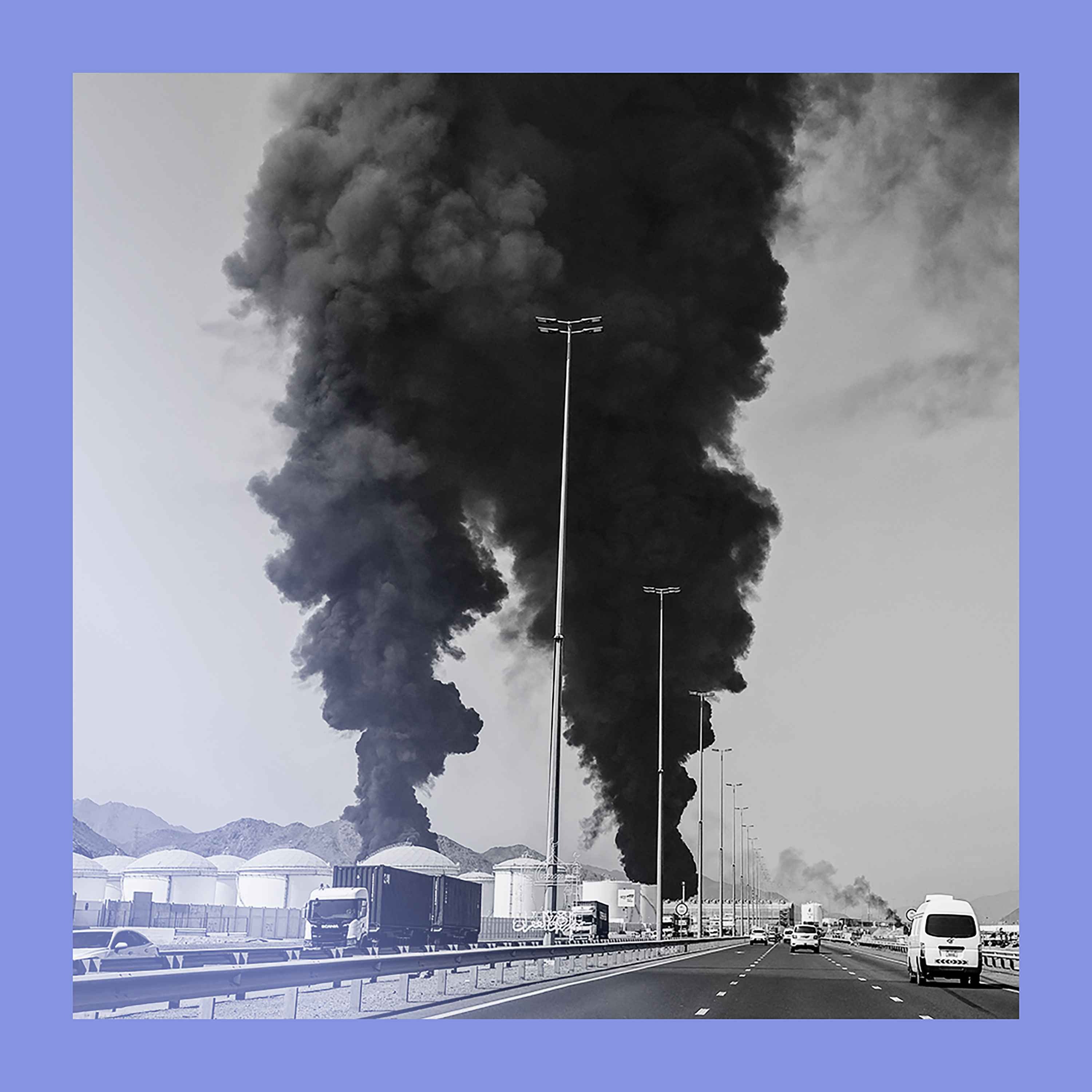
By selectively allowing passage for tankers pricing oil in Chinese Yuan, Iran is playing a high-stakes game. This forces countries to bypass the US dollar to secure their energy supply, directly threatening the foundation of American global economic power and accelerating de-dollarization.

The conflict's primary impact on oil is not that supply is offline, but that its transport through the Strait of Hormuz is blocked. This distinction is key to understanding price scenarios, as supply exists but cannot be delivered.

Iran employs inexpensive weapons against shipping in the Strait of Hormuz. This asymmetric strategy avoids direct military confrontation while making the risk too high for insured commercial vessels, effectively closing the strait without a formal blockade.

The most stable outcome from the Hormuz crisis is a formal tolling system, even if run by Iran. This provides certainty for shippers but signals a fundamental shift away from the US Navy guaranteeing global free trade, ending a decades-long era.
