Get your free personalized podcast brief
We scan new podcasts and send you the top 5 insights daily.
A key hiring philosophy was to seek out 'aberrant' individuals—people who are pains in the ass, don't respect the system, and follow their own agenda. These unconventional employees were credited with bringing the most success to the company.

Related Insights
To find true contrarian talent, ask university audiences who feels 'weird' or thinks differently. Typically, less than 10% will raise their hands. These are the individuals to hire, as the other 90% are conditioned to conform and are less likely to generate outlier ideas or returns.

Instead of forcing conformity, create an environment where diverse specialists—the "wildflowers"—can thrive. The leader's job is not to standardize but to cultivate a space where each person's unique genius can flourish and interact, leading to more interesting outcomes.

When building a team for a novel venture, prioritize curious qualities over pure credentials. Look for collaborators who are passionate, resilient, and 'iconoclastic'—comfortable challenging the status quo. Also seek out people with diverse outside interests, as they can draw unique connections and avoid narrow thinking.

Reed Hastings’ initial management philosophy was to implement processes to prevent errors, like a factory. This backfired by systematically repelling the creative, rule-breaking individuals essential for innovation in the fast-moving tech industry.

Using an LLM analogy, Daniel Ek seeks "high-temperature" people—individuals who might produce many bad ideas, but whose chaotic thinking also generates rare, brilliant insights. He prefers this variance to the reliable consistency of conformists, believing breakthroughs come from the fringe.

The only formal dress code was 'no frontal nudity.' This simple, humorous rule was a powerful signal that the company valued a casual, creative, and anti-corporate environment, which helped attract and retain the right kind of talent for its mission.
The company's leadership philosophy, borrowed from Palantir, is to hire highly opinionated and sometimes difficult talent. While this feels chaotic, these individuals are essential for innovation and adaptation, unlike talent that merely optimizes existing, stable systems.
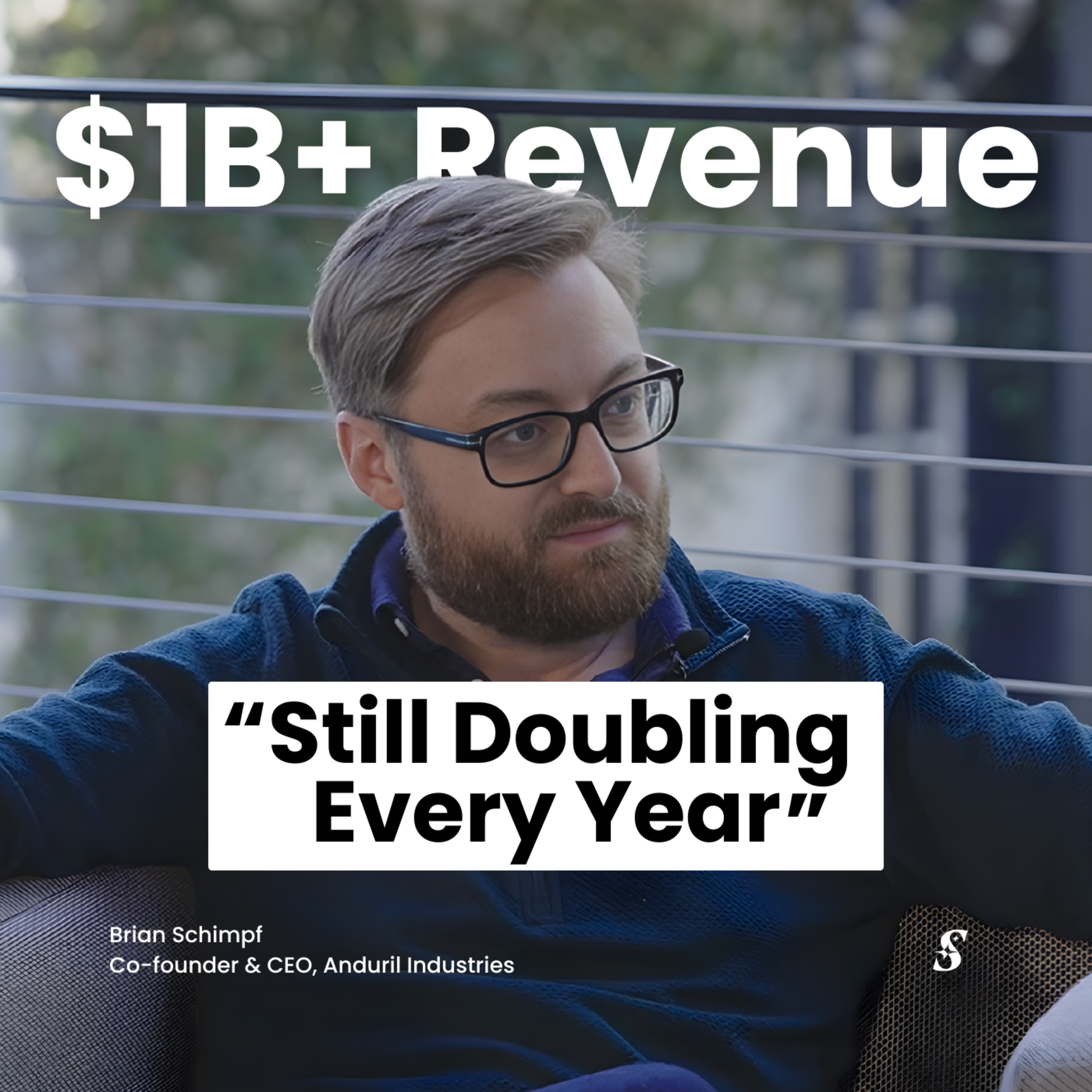
The common practice of hiring for "culture fit" creates homogenous teams that stifle creativity and produce the same results. To innovate, actively recruit people who challenge the status quo and think differently. A "culture mismatch" introduces the friction necessary for breakthrough ideas.

Successful leaders often question conventions and consider that "everyone else might be wrong." Arbitrarily doing the opposite of established industry practices can unlock new ways of working and create a unique edge for your team.
The most valuable creative talent is often the most difficult to manage. Forcing everyone into a mold of the 'good corporate citizen' engineers mediocrity. A key leadership skill is managing peculiar, non-conformist individuals who drive disproportionate value.
