Get your free personalized podcast brief
We scan new podcasts and send you the top 5 insights daily.
To attract customers, Kat Getzey created content on adjacent topics, like the neurochemistry of doom-scrolling, before ever mentioning her phone. By acting in service to the community without an immediate ask, she built goodwill and aggregated the ideal audience before introducing her product.

Related Insights
To build trust, your value-add content ('jabs') should be genuinely selfless, even teaching people how to solve their own problems for free. This builds the 'karma' and audience relationship required for your sales asks ('right hooks') to be effective. A constant stream of sales content will be ignored.

Only 5% of your audience is ready to buy. For the other 95%, the goal is to build "mindshare"—a runway of awareness and trust through valuable content. This ensures that when they eventually enter a buying cycle, your brand is already a known and respected entity.

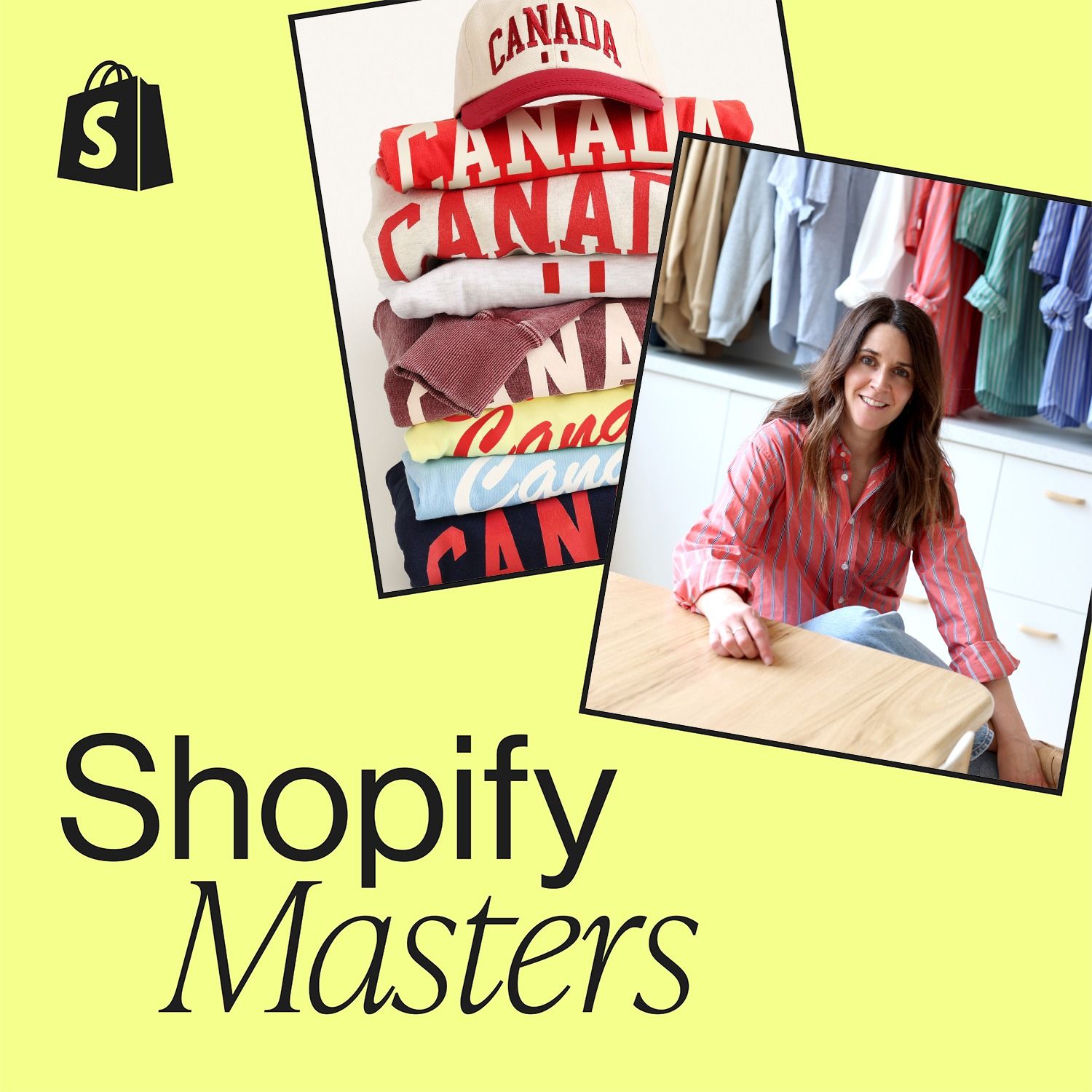
To grow their email list organically, Province of Canada sent a daily email with an interesting fact about Canada. This non-promotional content got them into people's inboxes daily, building brand affinity and an audience that they could later market to, proving that value can be detached from the product itself.
Build a loyal audience by following an 80/20 rule. 80% of your content should be "zero-click" and purely provide value (help, entertainment, inspiration). This earns you the right to use the remaining 20% for promotional asks, like event sign-ups or product announcements.
To rapidly build influence and trust, commit to creating valuable content daily for a year with zero sales pitches. Focus solely on educating or entertaining. This counterintuitive approach bypasses the audience's natural aversion to ads and positions you as a genuine authority, leading to faster growth.

Reverse the traditional startup model by first building an audience with compelling content. Then, nurture that audience into a community. Finally, develop a product that solves the community's specific, identified needs. This framework significantly increases the probability of finding product-market fit.

Overtly plugging your product triggers defensiveness. Instead, create high-value "edu-sales" content that subtly mentions your tool as one part of a solution, or even has no call-to-action at all. This builds trust and makes people actively seek out what you're selling.
To capture prospects early, create content answering questions related, but not central, to your product (e.g., satellite vs. aerial imagery). This 'circles the buyer' with helpful information, building brand trust so you're in their consideration set when they are ready to buy.
If you struggle to feel your product directly serves a higher purpose, shift your focus. You can still create immense value and adopt a service mindset by solving your customers' adjacent problems—like making professional introductions or helping them find new employees.

Modern trust-building isn't done with a handshake but by creating a library of content. This allows prospects to engage with your expertise for hours on their own time, establishing a bond and level of trust that makes a future sales conversation far more effective.
