Get your free personalized podcast brief
We scan new podcasts and send you the top 5 insights daily.
Carlson's claim of journalistic sourcing by texting Iranian officials is being scrutinized by the DOJ. This raises a critical legal and ethical question: when does sourcing information from an enemy state cross the line into acting as an unregistered foreign agent, potentially violating laws like FARA?
Related Insights
Jodi Cantor's careful language on the podcast isn't just caution; it's a strategic necessity. She operates under the assumption that her sources, or even the subjects of her reporting, could be listening. Every word is weighed to avoid giving the "wrong impression" and jeopardizing hard-won reporting access.
Iran's government created propaganda claiming theorist Gene Sharp, who worked with Dr. King, is a CIA operative. They use this to paint domestic protests as foreign-backed coups—a tactic of delegitimization ironically echoed by some U.S. commentators against American protesters.
A core principle for maintaining journalistic integrity is to treat access as a liability ("poison") rather than an asset. By operating without a dependency on privileged information from powerful sources, a journalist can maintain an independent viewpoint. Paradoxically, this very independence often makes them more attractive to sources, thus increasing access over the long term.

A former CIA agent emphasizes that in the early stages of a conflict, no English-speaking analyst without Farsi proficiency can accurately gauge public sentiment in Iran. Early reports of pro- or anti-government protests are anecdotal and should be treated with extreme skepticism, as the situation is highly volatile and unpredictable.
For over 20 years, BBC correspondent Mark Tully became known as the "Voice of India" because he reported on events the Indian government suppressed. His broadcasts, translated into local languages, provided a crucial alternative source of information for millions, highlighting the role of foreign journalism in informing citizens under repressive regimes.
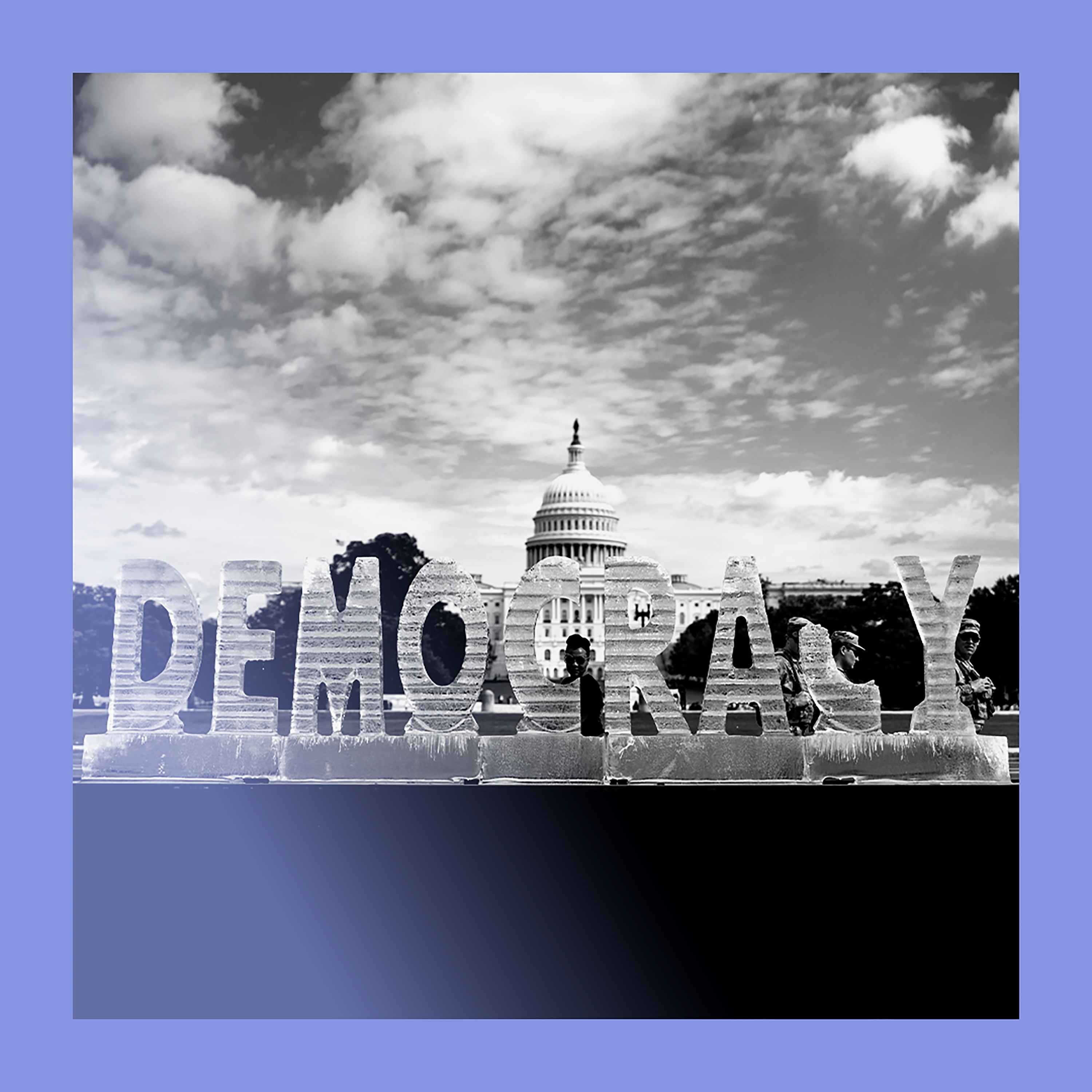
To circumvent First Amendment protections, the national security state framed unwanted domestic political speech as a "foreign influence operation." This national security justification was the legal hammer used to involve agencies like the CIA in moderating content on domestic social media platforms.

The hosts argue that progressive media and activists are morally paralyzed, failing to adequately cover human rights abuses in places like Iran. This happens because the oppressors are not white, leading to a disproportionately muted response.

When faced with sustained political attacks and threats, a media organization may strategically shift from cautious appeasement to aggressive, adversarial journalism. This pivot reflects a calculation that defending journalistic integrity is a better brand and survival strategy than attempting to placate a hostile political actor.
The conflict in Iran demonstrates a new warfare paradigm. Dissidents use services like Starlink to get information out, while the regime employs sophisticated blocking mechanisms to create near-total packet loss, making it impossible for outsiders to get a clear picture of events.
Unlike professionally trained journalists, many content creators and influencers are not bound by traditional ethical standards. They may not understand or respect concepts like embargoes or "off the record," posing a risk to controlled message delivery.
