Get your free personalized podcast brief
We scan new podcasts and send you the top 5 insights daily.
A CEO's personal frugality, like Jeff Bezos driving a Honda Accord, often translates directly into a corporate culture of intense cost control. This trait becomes a durable competitive advantage embedded in the business's DNA, influencing everything from vending machine light bulbs to major expenditures.

Related Insights
Strict rules can be penny-wise and pound-foolish (e.g., saving on a hotel but losing a deal). The ideal is a shared cultural understanding—a "moral code"—where employees act like owners. Technology can provide context and transparency to foster this culture at scale.
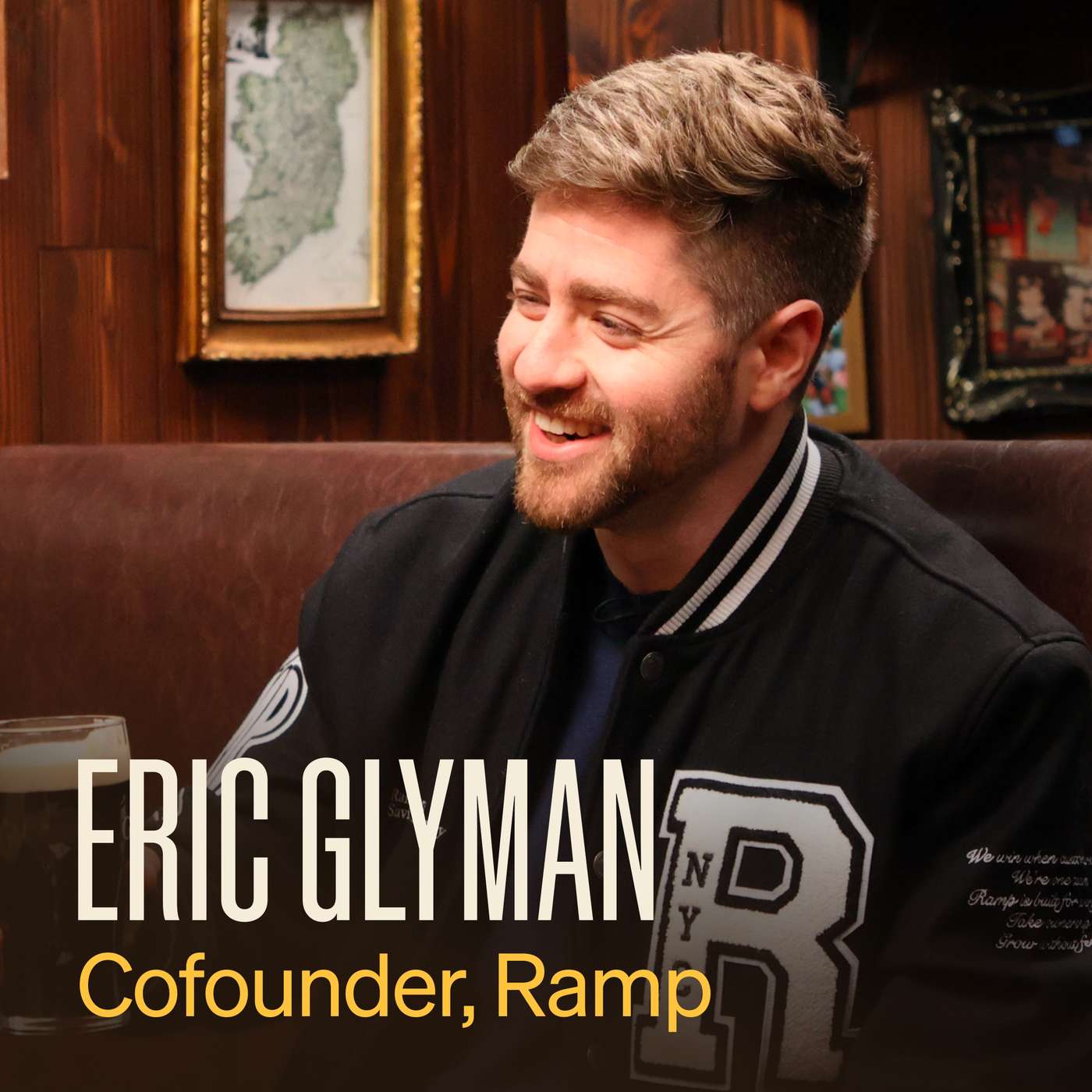
Successful bootstrapping isn't just about saving money; it's a deliberate capital accumulation strategy. By consciously avoiding status-driven purchases for an extended period, entrepreneurs can build a war chest to invest in assets that generate real wealth, like a business, giving them a significant long-term advantage.

Starting during the financial crisis forced Zalando's founders to intensely scrutinize every expense, such as debating a €60 report. This ingrained a culture of frugality and resourcefulness that has remained a core part of their identity even at massive scale, where every euro is treated like their own.
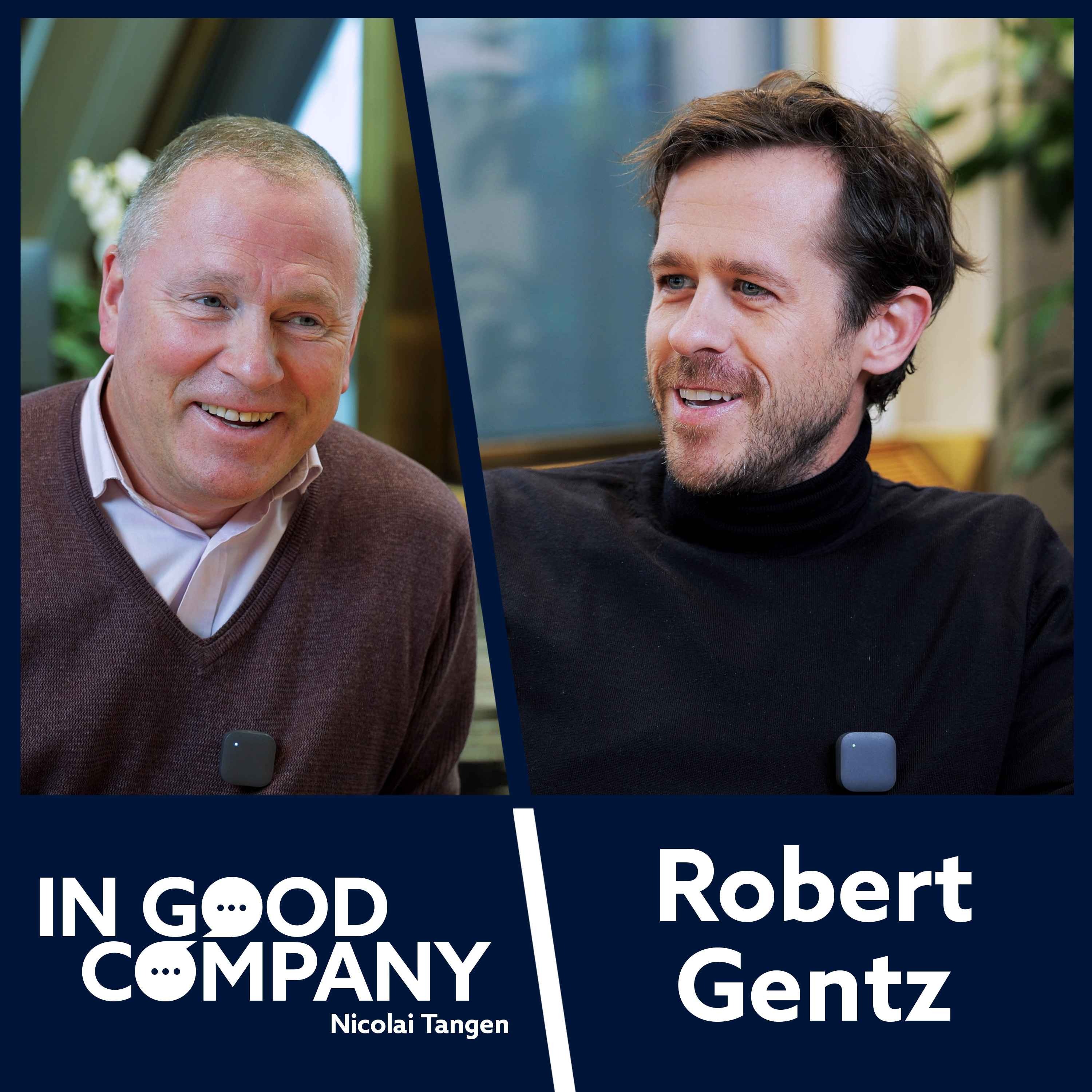
Great companies survive not because of a founder's continued presence, but because the founder codified a culture and operational DNA that outlives them. Companies like Home Depot and Amazon continue to thrive because their core principles are deeply embedded and replicable.

Many well-funded startups fail by overspending. True frugality—crappy furniture, no fancy PR firms—is a sign of discipline and focus on what truly matters. It is rare for an investor to think a founder is too cheap.
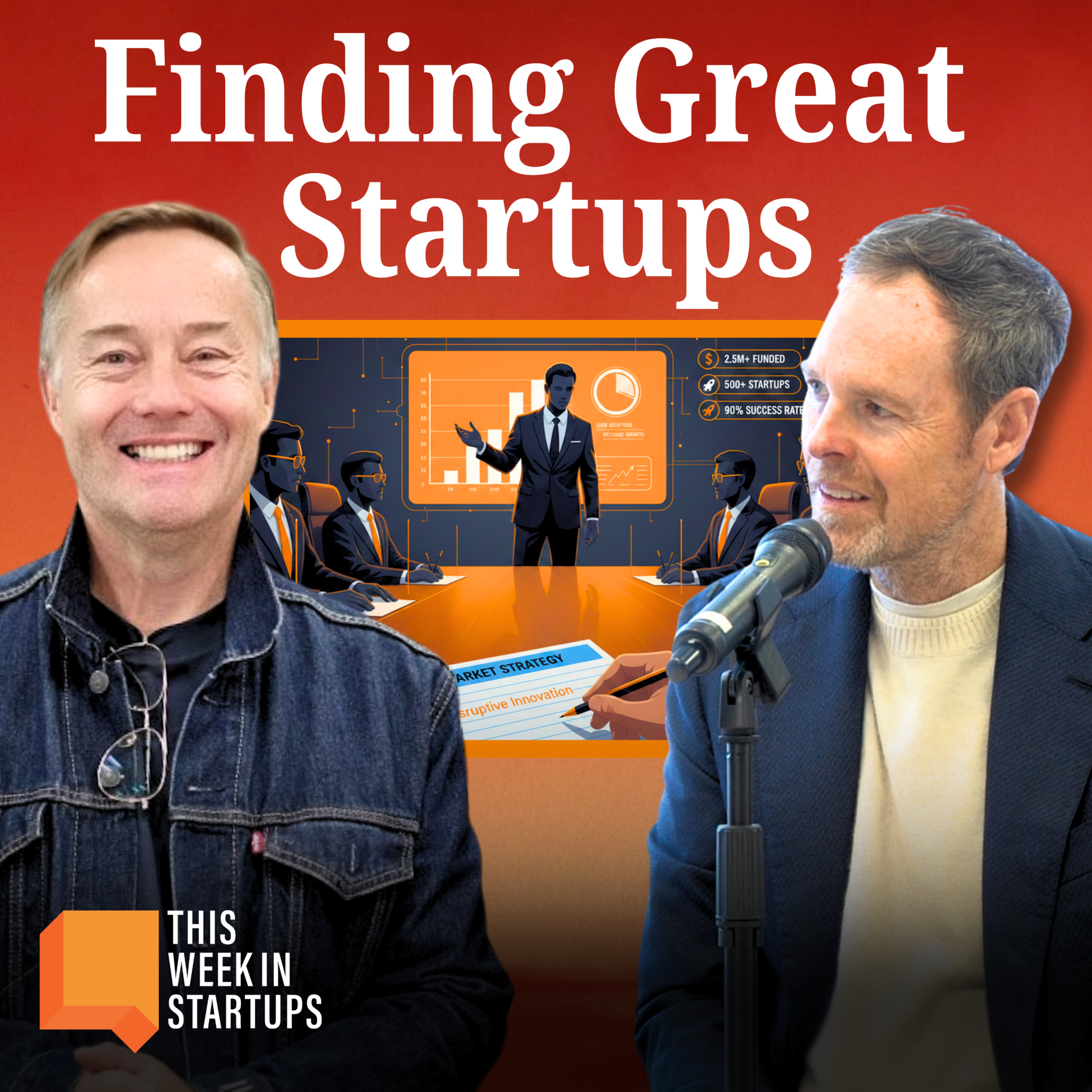
Culture is a strategic tool, not just a set of values. It must be designed to reinforce your specific competitive moat. Amazon’s frugal culture supports its low-price leadership, while Apple's design-obsessed culture supports its premium brand.

Daniel Lubetzky built his company by being resourceful, like using free furniture. Now a billionaire, he still avoids waste not because he has to, but as a core principle. This mindset trains the "muscle" for making deliberate choices, a skill he believes is critical for business and life.

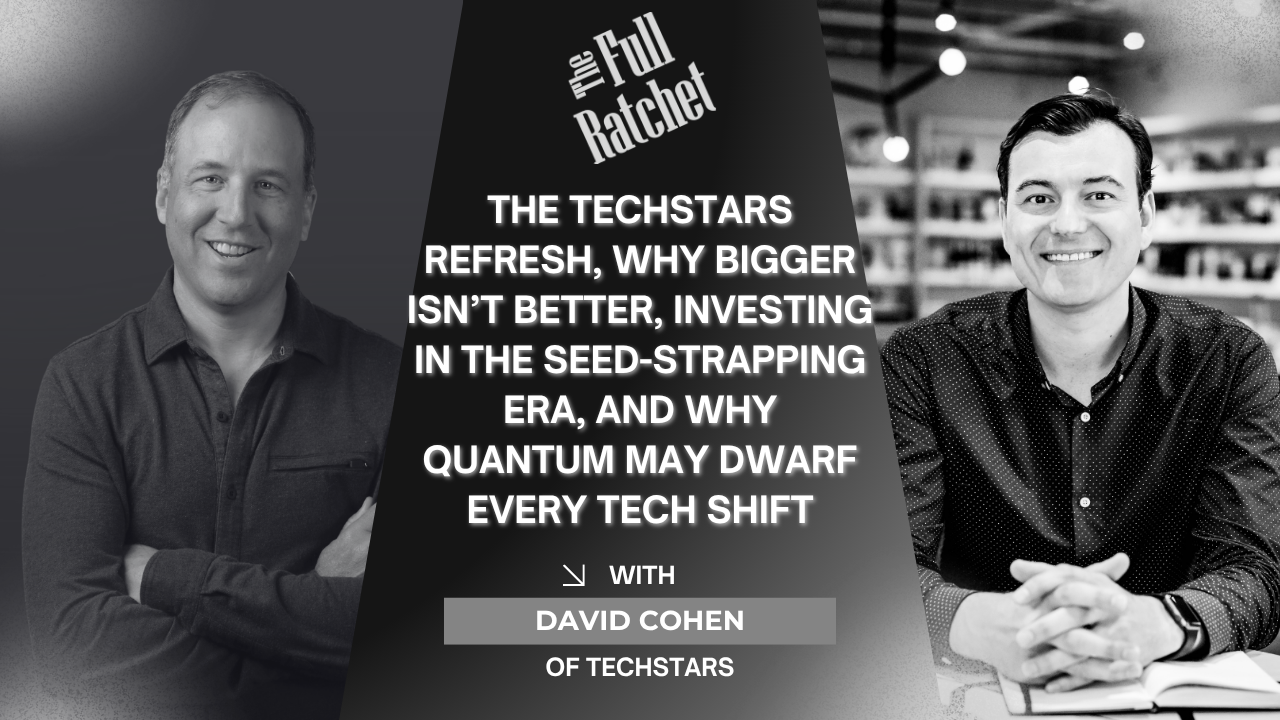
David Cohen observes that founders who are inherently frugal or "stingy" with capital—spending only when absolutely necessary—often achieve better outcomes. This mindset, focused on capital preservation and efficiency, is a more powerful indicator of success than simply raising large rounds to fuel growth, a trait he has seen in his own entrepreneurial career.
Amphenol's deep-rooted culture of cost discipline is more than just a financial strategy; it's a core part of its identity. This is physically embodied by its leanly-staffed, practical headquarters in a Connecticut industrial park, a stark contrast to the lavish campuses of other tech-adjacent giants.
![Amphenol: The Nervous System for Electronics - [Business Breakdowns, EP.231] thumbnail](https://megaphone.imgix.net/podcasts/12224090-a969-11f0-8376-17eec14dbeda/image/0a04e3a7a1043d5d8dc383bcb4a6cdc1.jpg?ixlib=rails-4.3.1&max-w=3000&max-h=3000&fit=crop&auto=format,compress)
A sustainable competitive advantage is often rooted in a company's culture. When core values are directly aligned with what gives a company its market edge (e.g., Costco's employee focus driving superior retail service), the moat becomes incredibly difficult for competitors to replicate.
![[REPLAY] Paul Black - Gratitude, Fun, and Growth Stocks (Capital Allocators, EP.51) thumbnail](https://static.libsyn.com/p/assets/f/b/7/6/fb76e1c8bfb69e8dd959afa2a1bf1c87/CA_Square_logo_light_background_6.26.24.jpg)