Get your free personalized podcast brief
We scan new podcasts and send you the top 5 insights daily.
To determine ideal product sizes for his temporary eyebrow tattoos, Jason Burnt made a unique birthday request on Facebook: asking all his friends to measure their eyebrows with a ruler. This scrappy, no-cost method provided the crucial data points needed to create a well-fitting product range from day one.

Related Insights
When troubleshooting variable retail sell-through, the first step isn't to speculate on solutions. Instead, gather raw data by having fans send photos of in-store product placements from various locations. This information-first approach prevents premature and potentially flawed strategy decisions.

To test an idea like flavored creatine for women, use an AI image generator to create mockups. Post these images on Facebook Marketplace, a low-friction platform, to gauge interest via views, clicks, and messages before investing in product development. This provides quick, cheap data.

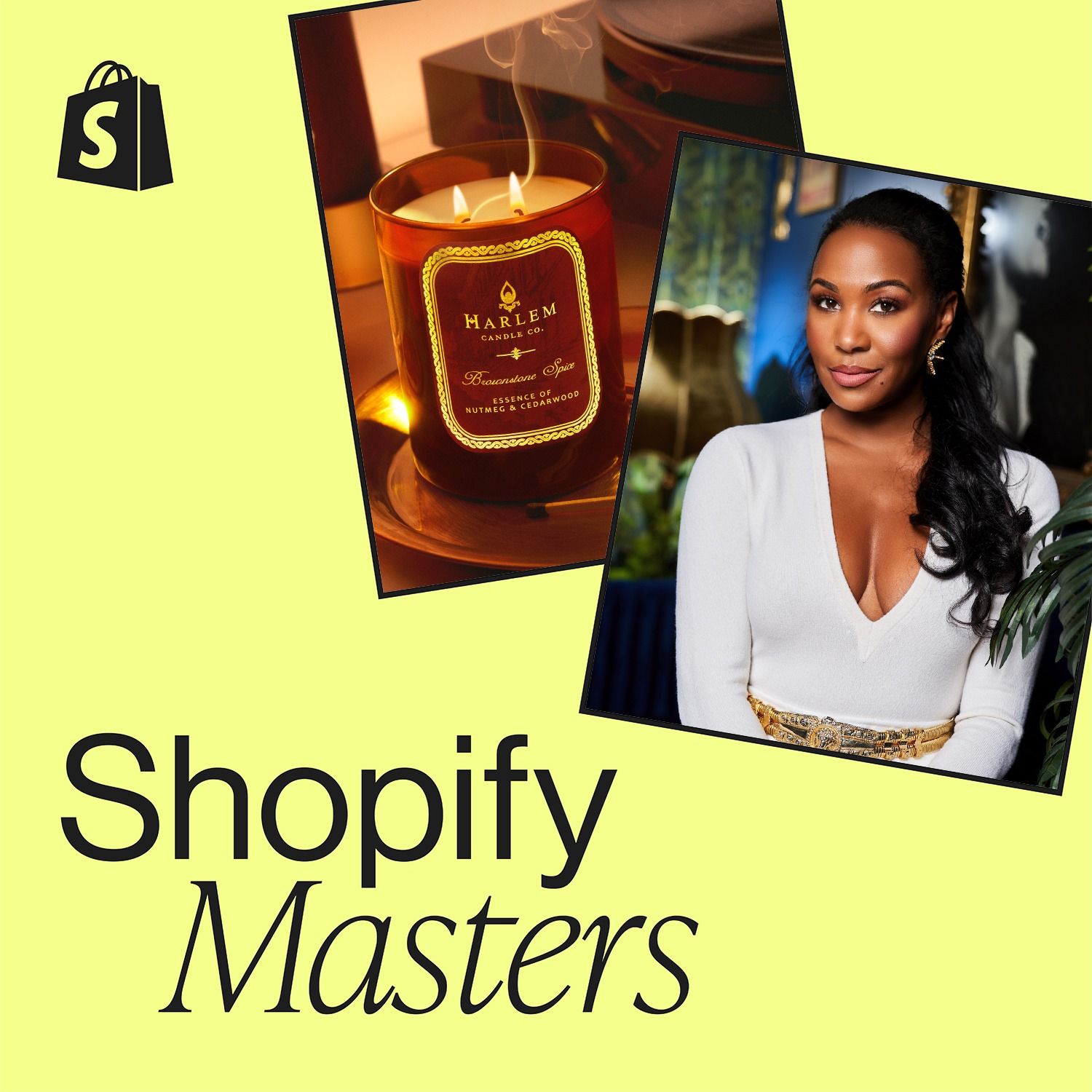
Founder Terry Johnson's initial market research was gifting customized candles to friends and family because she was broke. Their enthusiastic feedback confirmed product-market fit and gave her the confidence to launch her business, starting with local artisan markets.
Instead of paying for traditional focus groups, early-stage founders can post product ideas, like packaging designs, on social media. This provides an instantaneous and free feedback loop directly from potential customers, enabling rapid, data-informed iteration before committing to costly production.
The business-changing insight to create a product line came from an actress who needed a way for her makeup artist to maintain her eyebrows for a six-month film shoot. This specific, high-stakes problem forced the creation of a replicable kit, directly leading to the scalable product business.

CEO Tarang Amin joins TikTok Live sessions where customers directly demand new products. This real-time feedback validates demand instantly and creates urgency, allowing e.l.f. to slash development timelines. For one product, they cut the cycle from a planned 18 months to just six in direct response to community pressure.

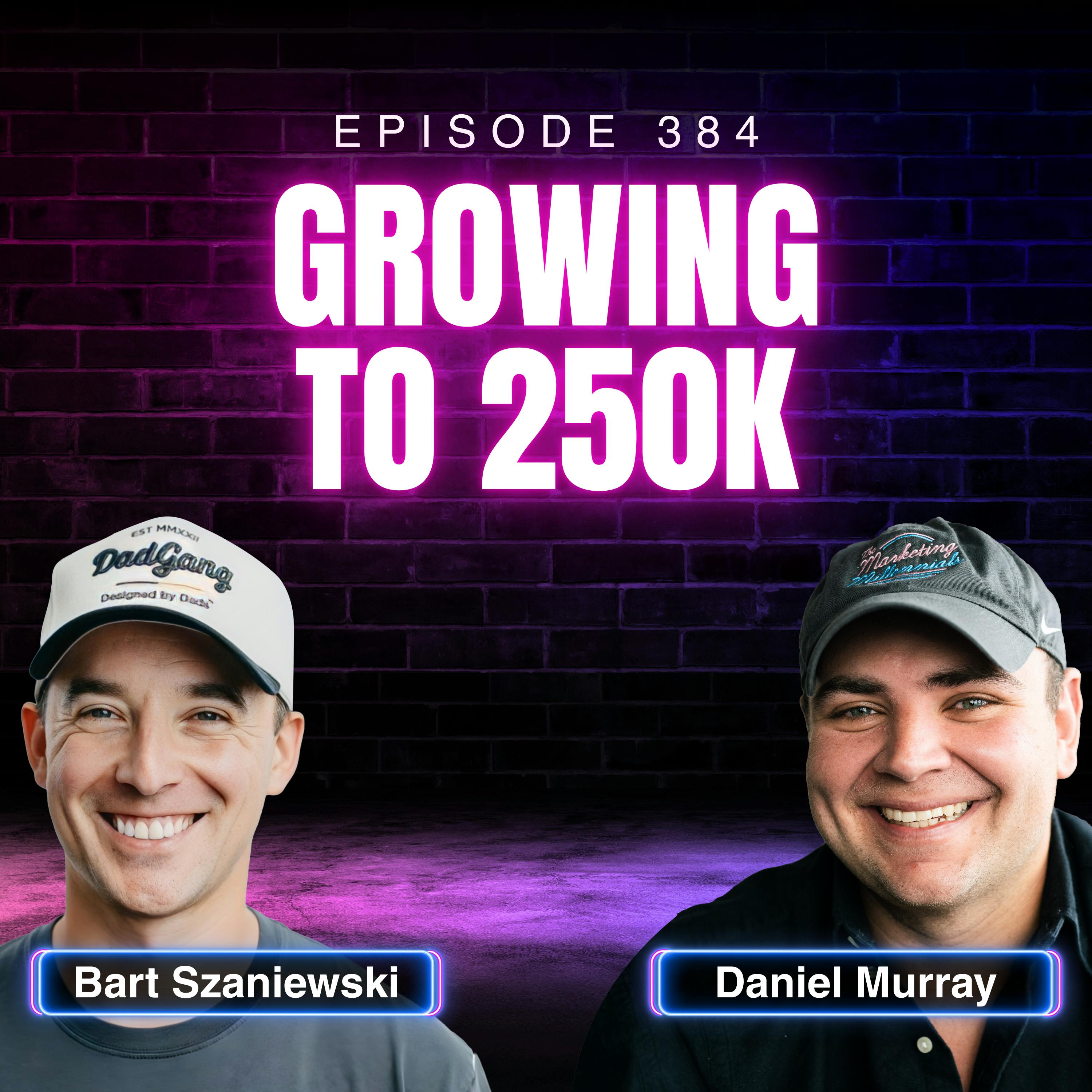
Dad Gang uses its 11,000-person private Facebook group to bypass social media algorithms. The group acts as a direct line to engaged customers for gathering feedback on new hat designs, fostering co-ownership, and granting exclusive early access to launches, ensuring new products are validated before release.
Hedley & Bennett founder Ellen Bennett, a line cook herself, used top chefs as a real-time focus group. By asking her target audience directly what was wrong with existing products and what they needed, she gathered all the building blocks to create a superior product without formal R&D.
A powerful, low-cost way to validate demand is to cold message thousands of potential users on platforms like Facebook groups. Crucially, ask for a small payment upfront (e.g., $20). This filters out polite but non-committal interest, providing a strong signal of genuine need and willingness to pay.

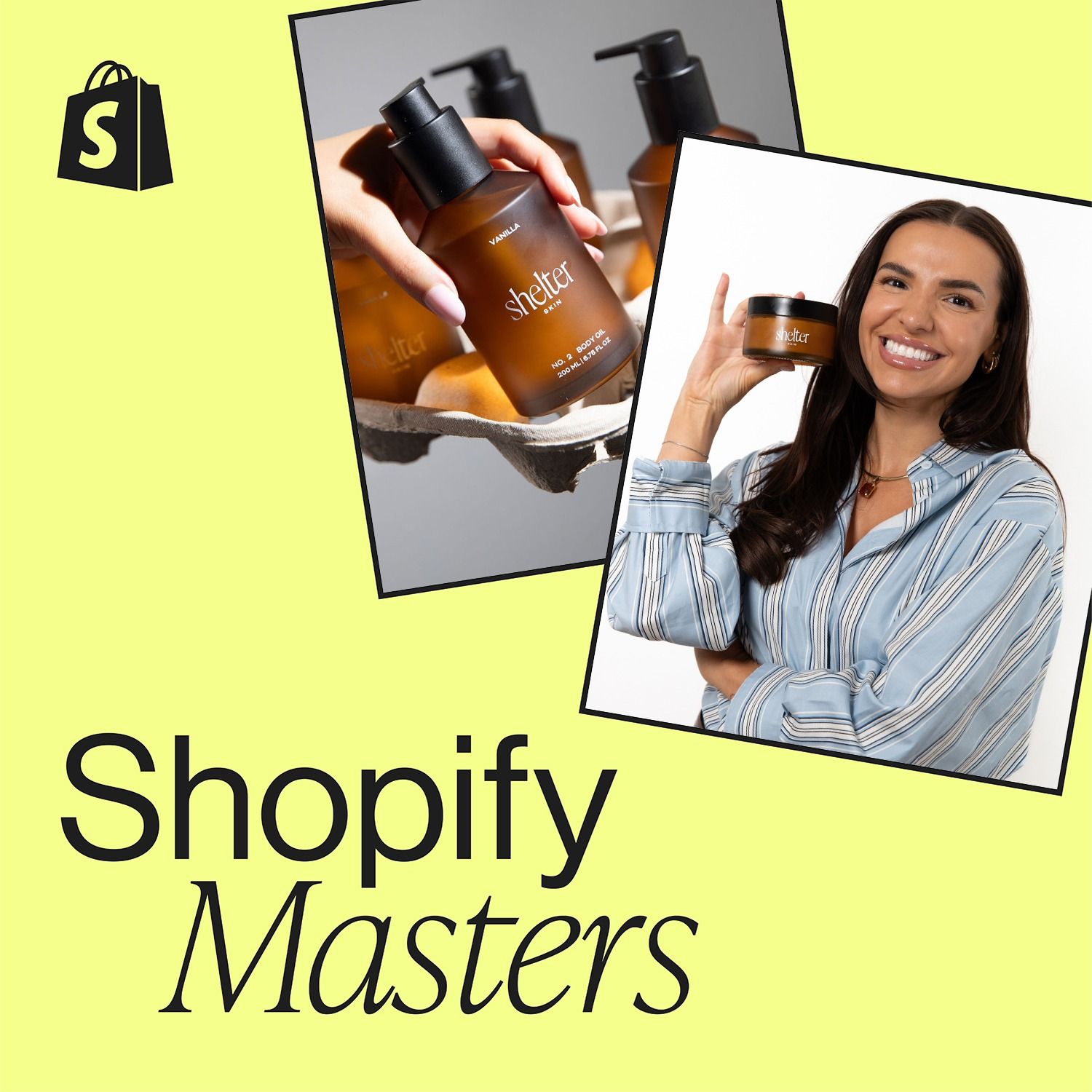
Shelter Skin's founder uses her personal Instagram following as a real-time focus group. By posting polls about packaging and product details, she gets immediate data from her ideal customers, eliminating the cost and time of traditional market research and fostering community co-creation.