Get your free personalized podcast brief
We scan new podcasts and send you the top 5 insights daily.
The market is a constantly changing environment. Like species in nature, teams that survive are not the strongest, but the most adaptable. Adaptability is built through continuous learning, making it a leader's core responsibility to foster this capability.

Related Insights
Correcting the 'survival of the fittest' myth, Tom Bilyeu emphasizes Darwin's real point: adaptability is the key trait for survival. In business, this means the ability to pivot and evolve in response to stressors is more critical for longevity than simply being the biggest or most intelligent player.

In fast-moving industries like AI, achieving product-market fit is not a final destination. It's a temporary state that only applies to the current 'chapter' of the market. Founders must accept that their platform will need to evolve significantly and be rebuilt for the next chapter to maintain relevance and leadership.

CMO Laura Kneebush argues that trying to "get good at AI" is futile because it evolves too quickly. Instead, leaders should focus on building organizations that are "good in a world that's going to constantly change," treating AI as one part of a continuous learning culture.

PMF isn't a one-time achievement. Market shifts, like new technology or major events, can render your existing model obsolete. Successful companies must be willing to disrupt themselves and find new PMF to stay relevant.
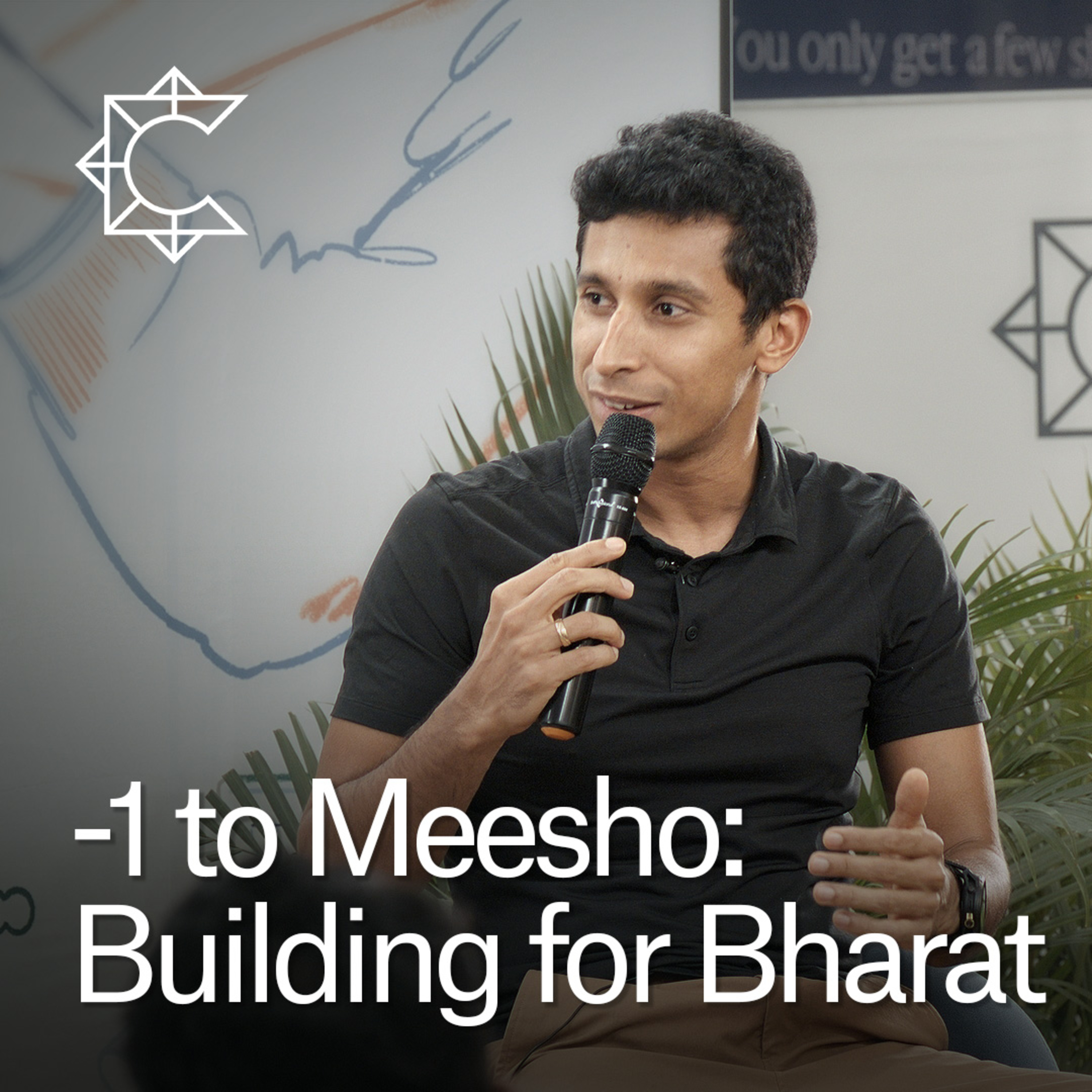
The idea that startups find product-market fit and then simply scale is a myth. Great companies like Microsoft and Google continuously evolve and reinvent themselves. Lasting success requires ongoing adaptation, not resting on an initial achievement.

The pace of change in AI means even senior leaders must adopt a learner's mindset. Humility is teachability, and teachability is survivability. Successful leaders are willing to learn from junior colleagues, take basic courses, and admit they don't know everything, which is crucial when there is no established blueprint.

Products are no longer 'done' upon shipping. They are dynamic systems that continuously evolve based on data inputs and feedback loops. This requires a shift in mindset from building a finished object to nurturing a living, breathing system with its own 'metabolism of data'.
Better products are a byproduct of a better team environment. A leader's primary job is not to work on the product, but to cultivate the people and the system they work in—improving their thinking, decision-making, and collaboration.
Forcing an 'AI culture' is short-sighted. The real goal is to foster a culture that prioritizes continuous growth and learning. This creates an organization that can adapt to any major technological shift, whether the internet, mobile, cloud, or AI. The specific technology is temporary; the capacity to learn is permanent.

In a rapidly evolving market, the speed at which you can discard outdated strategies and adopt new ones is more critical than simply accumulating new knowledge. Professionals who can let go of 'what has always worked' will adapt and win faster than those who cling to legacy methods.
