Get your free personalized podcast brief
We scan new podcasts and send you the top 5 insights daily.
Lou Frankfurt saw that Louis Vuitton controlled its destiny by selling in its own stores. He replicated that direct-to-consumer model but targeted the top 20-40% of the population, not the top 1-5%. By offering a high-quality, American-grit product at a lower price point, he created the "accessible luxury" category from scratch.

Related Insights
Framing a product around "life moments" (e.g., graduation, first job) shifts the focus from functional utility to emotional significance. Coach isn't in the handbag business; it's in the "belonging business." Its real competitors are other products that provide similar affirmation.
To connect with Gen Z, Coach shifted its brand positioning from simply being an affordable luxury good to being a tool for self-expression. This move addresses a core tension for this generation: the desire to express their true selves while navigating the pressures of constant social media visibility.
Coach transformed its growth strategy by shifting from retaining loyal customers to acquiring new ones at market entry. By aiming to be the "first luxury bag" for the 25 million women who turn 18 each year, they redefined their total addressable market from incremental share gains to a massive, recurring opportunity.

Instead of discounting its $3,000 trench coat, Burberry is driving growth by elevating its $300 scarf into a 'hero product' with dedicated 'Scarf Bars.' This tactic engages aspirational but price-sensitive consumers without devaluing the core brand.

Gucci's sales plummeted after it became too mainstream, violating the luxury rule that "aspiration and accessibility don't mix." The brand's decline after showing up in airport stores and on discount sites is a cautionary tale. A core turnaround strategy is to reclaim exclusivity, such as through a high-end tech partnership with Google for smart glasses.
This value proposition, offering near-premium quality at a significant discount, propelled brands like West Elm and Old Navy to billion-dollar valuations by capturing the aspirational-yet-price-conscious consumer.

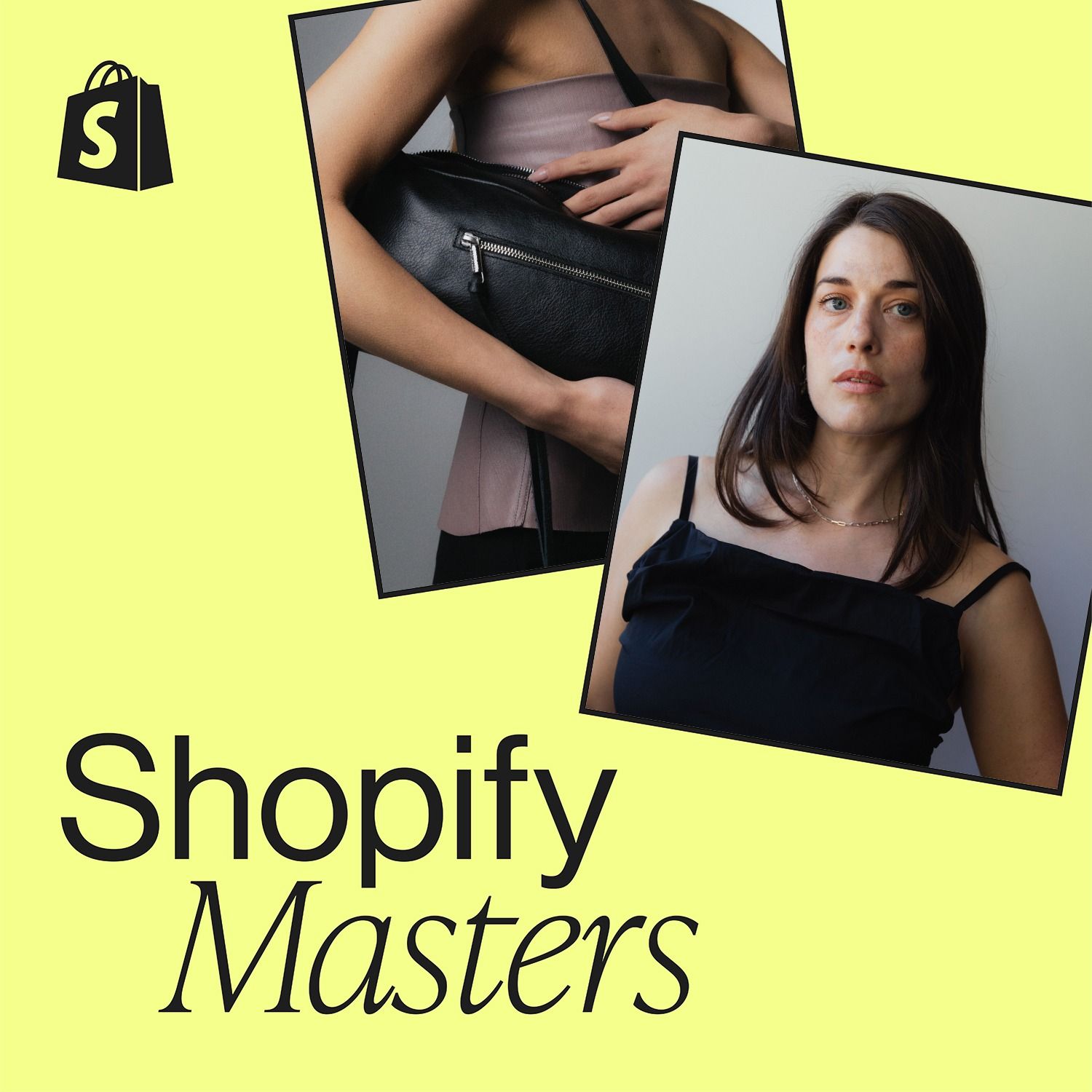
Sonya Lee targets educated consumers skeptical of traditional luxury markups. By sourcing directly from a certified tannery, the brand can prove its leather's origin—from a specific farm to the final product. This radical transparency builds trust, justifies its price point, and differentiates it from competitors who obscure their supply chains.
As luxury brands consolidate into huge corporations, they face a paradox: their prestige relies on exclusivity, but their business models require mass-market scale. The solution is a new paradigm where status is framed as inclusive and 'for everyone,' turning the concept of prestige proletarian.

The core value of department stores like Saks was curating multiple luxury brands in one place. However, with brands like Louis Vuitton building their own flagship stores and generating 95% of sales directly, they have bypassed the middleman. This direct access to consumers makes the traditional department store model obsolete.

The massive success of Coach's first Madison Avenue store wasn't luck. Lou Frankfurt had previously built a mail-order catalog business, creating a database of 100,000 fans. He then invited 20,000 of them to the store opening, ensuring packed lines and a successful launch from day one by activating a pre-existing community.