Get your free personalized podcast brief
We scan new podcasts and send you the top 5 insights daily.
While politicians focus on taxing corporations, the real threat to tech monopolies is breaking them up. Forcing divisions like Google Search, Maps, and YouTube to compete independently dismantles their 'strategic monopoly,' a far more terrifying prospect for them than paying more tax on consolidated profits.

Related Insights
The current era of exploitative digital platforms was made possible by a multi-decade failure to enforce antitrust laws. This policy shift allowed companies to buy rivals (e.g., Facebook buying Instagram) and engage in predatory pricing (e.g., Uber), creating the monopolies that can now extract value without competitive consequence.

Platforms grew dominant by acquiring competitors, a direct result of failed antitrust enforcement. Cory Doctorow argues debates over intermediary liability (e.g., Section 230) are a distraction from the core issue: a decades-long drawdown of anti-monopoly law.

Platform decay isn't inevitable; it occurred because four historical checks and balances were removed. These were: robust antitrust enforcement preventing monopolies, regulation imposing penalties for bad behavior, a powerful tech workforce that could refuse unethical tasks, and technical interoperability that gave users control via third-party tools.
An antitrust case against a Netflix-Warner Bros. merger is weak if the market is defined as all consumer 'eyeballs,' not just paid streaming. Including massive platforms like YouTube, TikTok, and Instagram, where most people spend their time, creates a landscape of intense competition, undermining monopoly claims.

The Democratic party's focus on antitrust, according to Warren, is not anti-business but fundamentally pro-market. By preventing monopolies, it fosters a competitive environment where companies are forced to continually innovate to succeed, unlike giants who grow complacent and raise prices.

Companies like Google were so cash-rich they didn't need Wall Street or other powerful trading partners. This financial independence meant that when they faced political threats, they lacked a coalition of powerful allies whose own financial interests were tied to their survival, making them politically vulnerable.

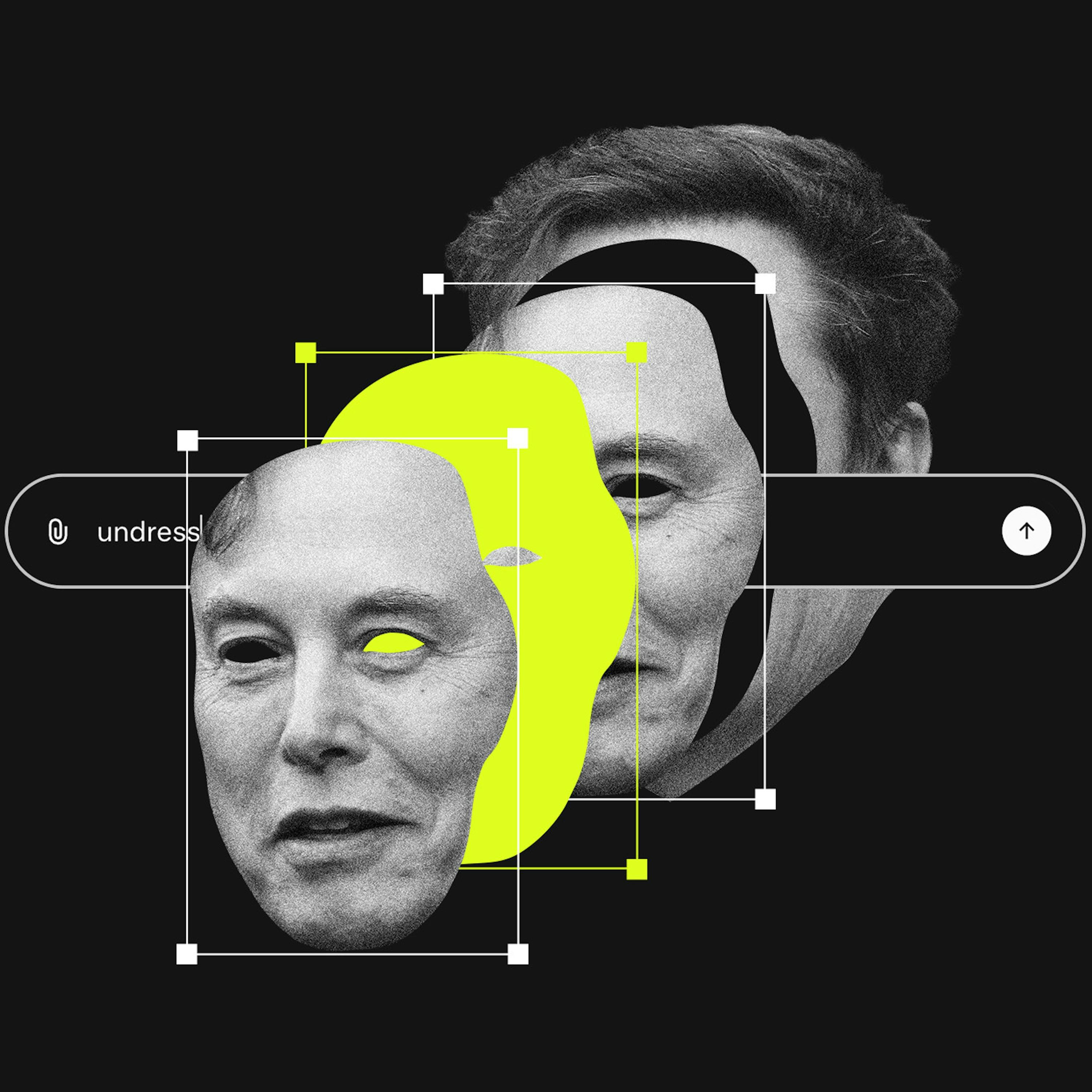
App stores justify their market control by claiming they are essential for user safety. Their failure to enforce their own explicit rules against X/Grok provides powerful evidence for antitrust regulators that this justification is a pretext, undermining their entire legal position.
Rivals like Microsoft and Amazon are investing in each other's primary AI partners (e.g., Amazon in OpenAI). This isn't random; it reflects a strategic alignment to create a powerful counterweight against Google, which they view as the single biggest long-term threat in the AI race.

Following Peter Thiel's theory, dominant companies like Nvidia publicly frame their market as "incredibly competitive" to avoid antitrust scrutiny. In contrast, companies in competitive markets pretend to have a monopoly to attract investors.

While Google aggressively pushes AI search, this new model lacks a proven advertising equivalent. This creates a fundamental tension where product innovation directly threatens its primary revenue source. Google's greatest strength—its search monopoly—is also its greatest vulnerability in the AI transition.