Get your free personalized podcast brief
We scan new podcasts and send you the top 5 insights daily.
Prosus's CEO champions the 'ambidextrous organization' model. This requires balancing scaled operational excellence (discipline, budgeting) with the chaotic innovation of a startup. He actively teaches disciplined managers to respect innovators and vice-versa, preventing cultural silos that kill growth and innovation.

Related Insights
Fast-growing companies operate with internal chaos ("backstage") as they constantly rebuild systems. The key is to shield customers from this dysfunction, presenting a polished, reliable product experience ("onstage") no matter how turbulent things are internally.

While processes are essential for scaling, excessive rigidity stifles the iterative and experimental nature of innovation. Organizations must balance operational efficiency with the flexibility needed for creative breakthroughs, as too much process kills new ideas.

Pendo's CPO warns that scaling isn't just about replicating processes for more teams. Leaders must simultaneously build coordination systems (design reviews, clear communication) while fighting to maintain the "maniacal focus on the customer" and rapid innovation that characterize small teams.

Moving from a large corporation to a startup requires blending foundational knowledge of scaling processes with newfound resourcefulness and risk appetite. This transition builds a holistic business muscle, not just a product one, by forcing leaders to operate without endless resources or established brand trust.

Eric Ryan focuses on building cultures that are both highly creative ("artists") and have strong operational rigor ("operators"). He believes operational excellence gives the company more time and resources for creativity, describing it as a right-brain, left-brain approach to organizational design.

As companies scale, the "delivery" mindset (efficiency, spreadsheets) naturally pushes out the "discovery" mindset (creativity, poetry). A CEO's crucial role is to act as "discoverer-in-chief," protecting the innovation function from being suffocated by operational demands, which prevents the company from becoming obsolete.

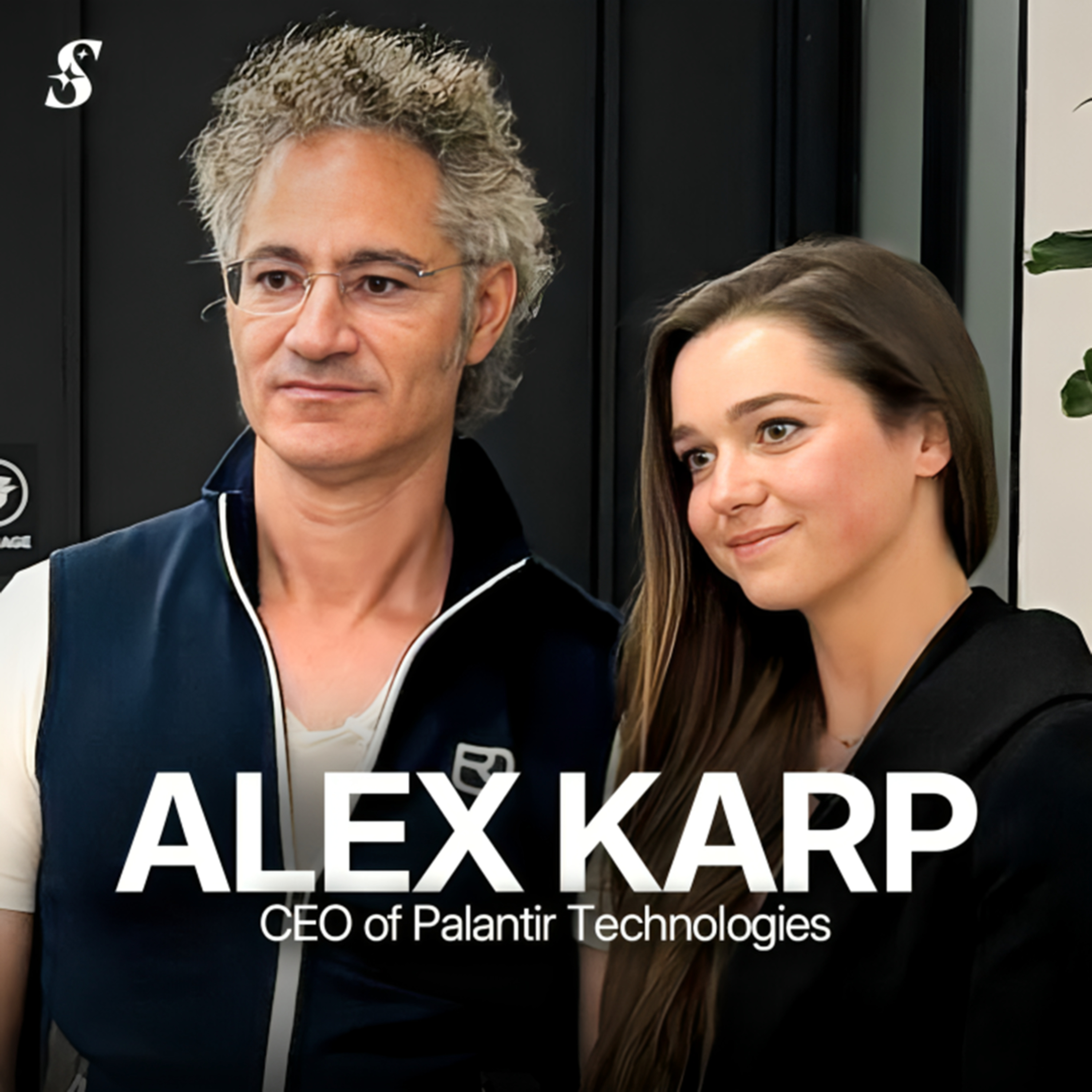
Palantir's success stems from its "anti-playbook" culture. It maintains a flat, meritocratic structure that feels like a startup despite its size. This environment fosters original thinking and rewards those who excel outside of rigid, conventional frameworks, turning traditionally undervalued traits into strengths.
The ideal company culture balances two opposing forces: the 'artisan' (creativity, innovation, imagination) and the 'operator' (predictability, efficiency, financial controls). Founder Eric Ryan strives to build teams that excel at both, creating a durable business that can innovate at scale, citing Apple and Nike as examples.

The 'move fast and break things' mantra is often counterproductive to scalable growth. True innovation and experimentation require a structured framework with clear guardrails, standards, and measurable outcomes. Governance enables scale; chaos prevents it.

Instead of large, top-down innovation projects, Prosus empowers small, autonomous 'jet ski' teams of 5-10 people. These teams experiment rapidly with minimal resources, failing often until they find a viable model. Only then does the larger company invest to scale the proven concept, avoiding massive losses on unproven ideas.