Get your free personalized podcast brief
We scan new podcasts and send you the top 5 insights daily.
Even after disclosing that an agent is an AI, prioritizing a human-like conversational experience is critical. Users quickly forget they're talking to a machine if the interaction is natural, which reduces friction and makes the automation more effective and accepted.

Related Insights
Power users of AI agents believe the ideal user interface is not graphical but conversational. They prefer text-based interactions within existing chat apps and see voice as the ultimate endgame. The goal is an invisible assistant that operates autonomously and only prompts for input when absolutely necessary, making traditional UIs feel like friction.
Don't worry if customers know they're talking to an AI. As long as the agent is helpful, provides value, and creates a smooth experience, people don't mind. In many cases, a responsive, value-adding AI is preferable to a slow or mediocre human interaction. The focus should be on quality of service, not on hiding the AI.

Deciding whether to disclose AI use in customer interactions should be guided by context and user expectations. For simple, transactional queries, users prioritize speed and accuracy over human contact. However, in emotionally complex situations, failing to provide an expected human connection can damage the relationship.
The personality of an AI is a crucial and underestimated feature. Karpathy notes that an agent like Claude, which feels like an enthusiastic teammate whose praise you want to earn, is more compelling than a dry, transactional tool. This emotional connection drives engagement.
An effective AI agent's goal isn't total automation. Microsoft's virtual assistant is designed to identify moments where a customer would benefit most from human interaction. It then performs an elegant handoff, ensuring the agent augments the support experience rather than creating frustration.

Contrary to fears of customer backlash, data from Bret Taylor's company Sierra shows that AI agents identifying themselves as AI—and even admitting they can make mistakes—builds trust. This transparency, combined with AI's patience and consistency, often results in customer satisfaction scores that are higher than those for previous human interactions.

The most effective application of AI isn't a visible chatbot feature. It's an invisible layer that intelligently removes friction from existing user workflows. Instead of creating new work for users (like prompt engineering), AI should simplify experiences, like automatically surfacing a 'pay bill' link without the user ever consciously 'using AI.'

The most effective AI user experiences are skeuomorphic, emulating real-world human interactions. Design an AI onboarding process like you would hire a personal assistant: start with small tasks, verify their work to build trust, and then grant more autonomy and context over time.

When building conversational AI, be aware that users might mistake it for a human. This requires carefully designing interactions to manage user expectations and clarify the AI's role, ensuring they understand they are not receiving direct instructions from a person.

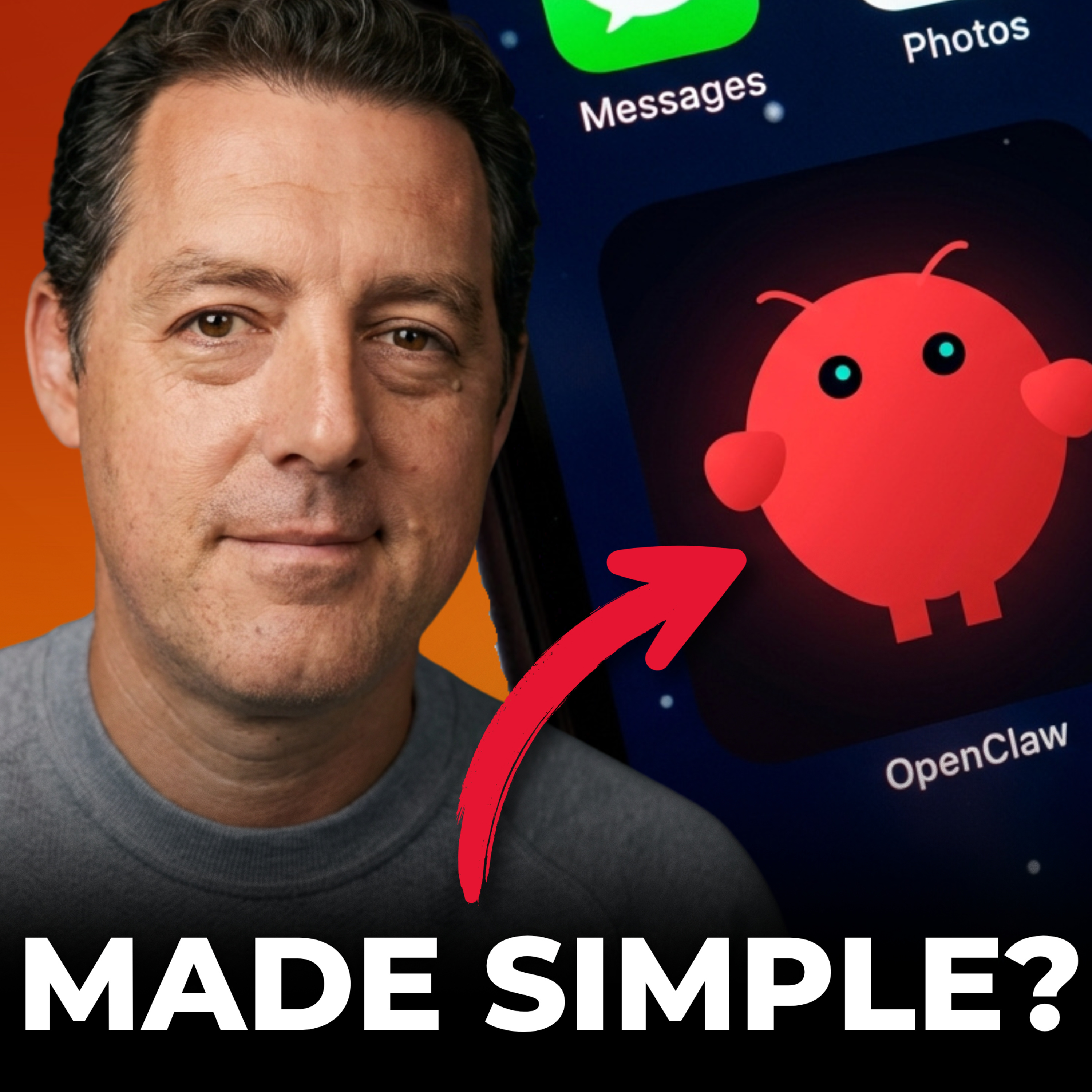
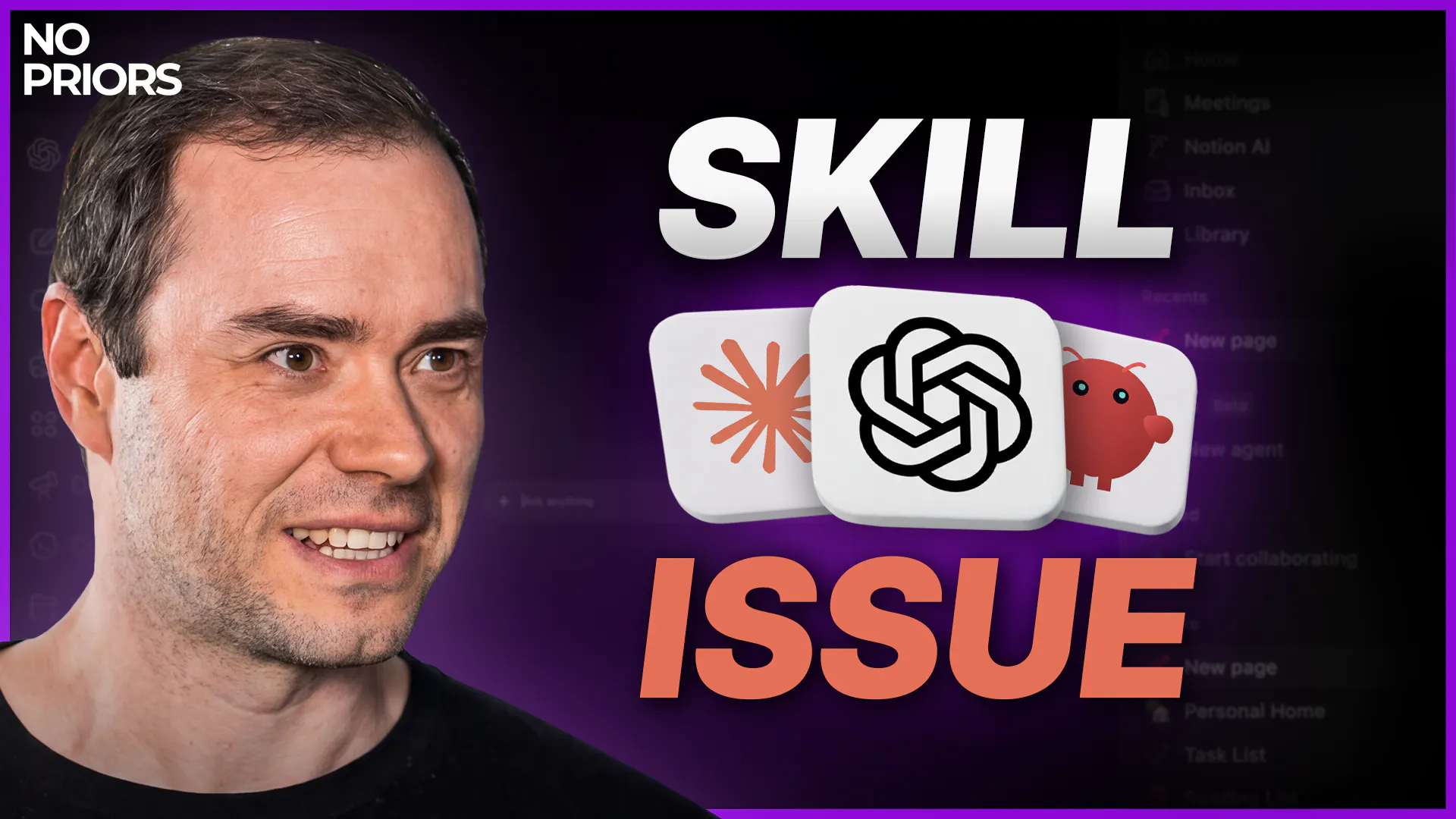
For personal AI agents like OpenClaw, the conversational interface—feeling like you're texting a person—accounts for the vast majority of user adoption and value. This emotional, personal connection is far more important than the agent's technical capabilities, like self-modification or its skills directory.