Get your free personalized podcast brief
We scan new podcasts and send you the top 5 insights daily.
By dramatically increasing direct reports (e.g., from 5 to 90), you make micromanagement and command-and-control leadership impossible. This forces managers to shift their role from directing work to coaching teams and removing bottlenecks, which fosters true employee ownership.

Related Insights
Companies mistakenly bundle management with authority, forcing top performers onto a management track to gain influence. Separate them. Define management's role as coordination and context-sharing, allowing senior individual contributors to drive decisions without managing people.

To scale creative output without micromanaging, leaders should focus their input on the first 10% of a project (ideation and direction) and the final 10% (integration and polish). This empowers the team to own the middle 80% (execution) while ensuring the final product still reflects the leader's vision.

To manage a large remit without micromanaging, use a 'push and pull' system. For each quarter, select a few key priorities to 'push' on, meaning you'll be deeply involved. For everything else, empower your team to operate autonomously and 'pull' you in only when they need your input or guidance.

The transition to managing managers requires a fundamental identity shift from individual contributor to enabler. A leader's value is no longer in their personal output. They must ask, "Is it more important that I do the work, or that the work gets done?" This question forces a necessary focus on delegation, empowerment, and system-building.
When a team is struggling, a micromanager gives the answer. An effective hands-on leader resists making the decision. Instead, they intervene to teach the team the correct *method* for arriving at the decision, thereby improving the organization's long-term capabilities.
To prevent management from becoming a detached layer, Arista ensures its leaders are "coach players." This means even senior executives, like the CTO and founder, still contribute by coding. This "leading by example" approach proves to employees that management is connected to the core work, reinforcing a strong, authentic engineering culture.

Gamma maintains a flat, high-impact organization by eschewing traditional managers. Instead, all leaders are "player-coaches"—they actively contribute as individual contributors while also mentoring their teams. This keeps leadership close to the work and empowers teams to adapt quickly without top-down commands.
To scale effectively, don't bottleneck knowledge with the CEO. Invest in specialized coaches, consultants, and mastermind groups for your department leaders. This empowers them to solve problems and develop their teams directly, as building the people is what ultimately builds the business.
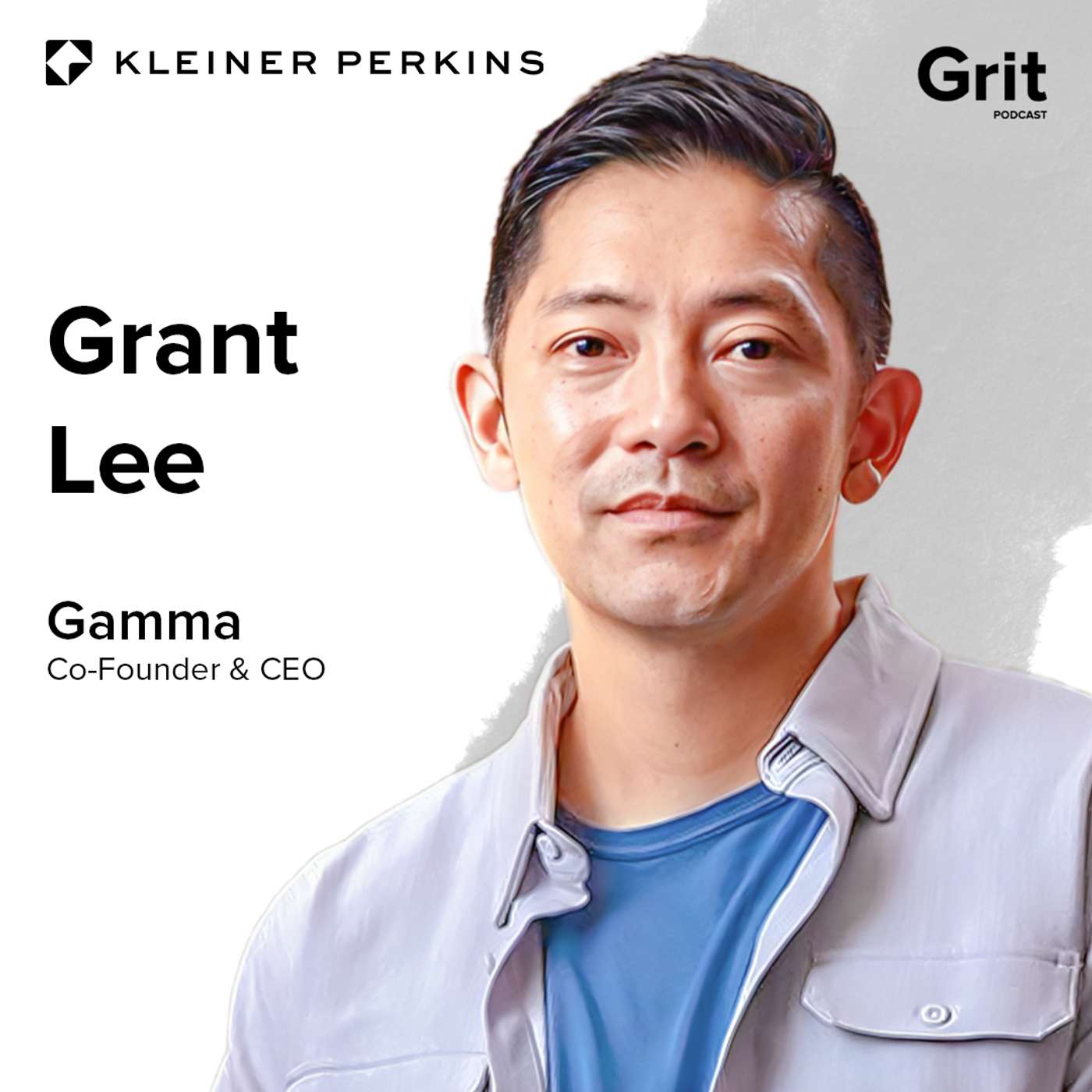
Instead of traditional managers, Gamma hires "player-coaches"—leaders who actively contribute to the work, like shipping code, while also mentoring their team. This model maintains a flat structure, keeps leadership grounded, and works best in a lean organization.
To avoid bureaucratic bloat, organize the company into small, self-sufficient "pods" of no more than 10 people. Each pod owns a specific problem and includes all necessary roles. Performance is judged solely on the pod's impact, mimicking an early-stage startup's focus.