Get your free personalized podcast brief
We scan new podcasts and send you the top 5 insights daily.
Every active investment is a claim you are smarter than the market. This necessary arrogance must be balanced with the humility to constantly ask, "Is it me or the market that's wrong?" especially after long periods of underperformance. The key is knowing when your arrogance is deserved versus when it's blinding you.

Related Insights
Regularly re-evaluate your investment theses. Stubbornly holding onto an initial belief despite new, contradictory information can lead to significant losses. This framework encourages adaptation by forcing you to re-earn your conviction at regular intervals, preventing belief calcification.

Successful investing is a psychological tightrope. It demands the arrogance to believe you can outperform the market, which fuels conviction. Simultaneously, it requires the humility to change your mind, cut losses, and avoid the catastrophic blow-ups that unchecked arrogance can cause.
To achieve above-average investment returns, one cannot simply follow the crowd. True alpha comes from contrarian thinking—making investments that conventional wisdom deems wrong. Rubenstein notes the primary barrier is psychological: overcoming the innate human desire to be liked and the fear of being told you're 'stupid' by your peers.

Quoting Charlie Munger, Marks highlights a central paradox of investing: the concepts are simple to state, but the execution is profoundly difficult. The simplicity is deceptive because success requires being consistently smarter and more disciplined than a market full of other intelligent, highly motivated professionals.

Generating disproportionate returns requires holding an original, contrarian perspective that the market initially dismisses as "stupid." The ability to persist with a non-consensus belief until it's proven correct is a core, and rare, quality of great investors.

The best investors are defined by an ego that is secondary to their intellectual curiosity. They are more interested in understanding what will happen next in the market than in defending a previous thesis. This detachment allows them to change their minds quickly when new information emerges.

To endure long stretches of underperformance, shift focus from external market validation to internal process integrity. Inspired by Peter Matthiessen's "The Snow Leopard," find reward in the task itself. This provides the stamina to stick with a sound strategy when it's out of favor with the market.

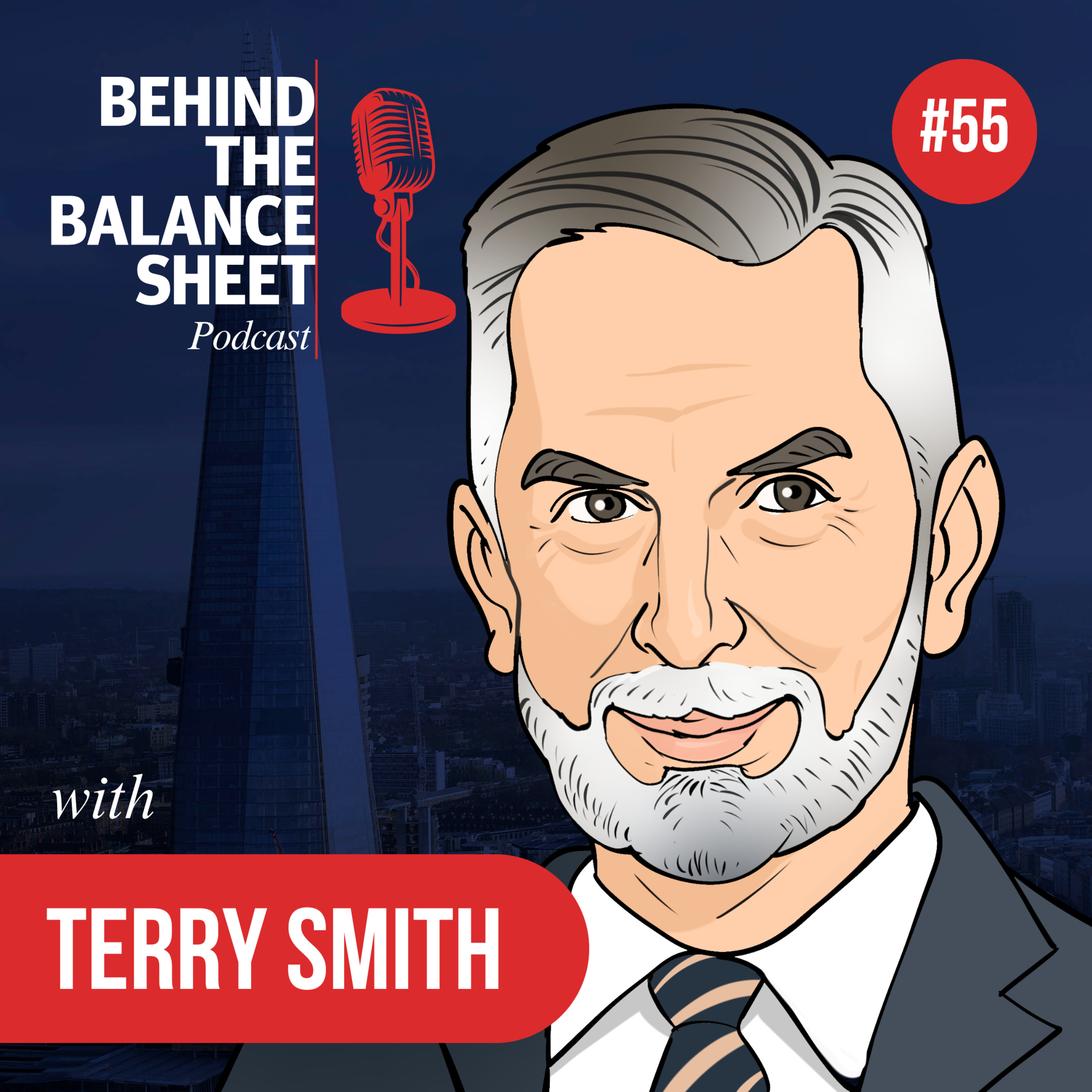
Smith argues that periods of underperformance are an unavoidable feature of any disciplined investment strategy. Rather than panicking and changing course, the correct response is to analyze the cause: was it an execution error, a structural strategy failure, or transient market factors you just have to endure?
In 2008, Howard Marks invested billions with conviction while markets crashed, yet he wasn't certain of the outcome. He held the paradox of needing to act decisively against the crowd while simultaneously accepting the real possibility of being wrong. This mental balance is crucial for high-stakes decisions.
Historical analysis of investors like Ben Graham and Charlie Munger reveals a consistent pattern: significant, multi-year periods of lagging the market are not an anomaly but a necessary part of a successful long-term strategy. This reality demands structuring your firm and mindset for inevitable pain.
