Get your free personalized podcast brief
We scan new podcasts and send you the top 5 insights daily.
Productivity tools have survived due to high user switching costs. Agentic AI presents the first major disruptive threat by creating an abstraction layer that can access data and perform actions across any tool, making the underlying application itself far less important.

Related Insights
The rise of agentic coding is creating a "SaaSpocalypse." These agents can migrate data, learn different workflows, and handle integrations, which undermines the core moats of SaaS companies: data switching costs, workflow lock-in, and integration complexity. This makes the high gross margins of SaaS businesses a prime target for disruption.

Generative AI primarily changes an app's user interface, but agentic AI can bypass UIs entirely to complete tasks. This makes transaction-fulfillment apps, which constitute a huge portion of the market, vulnerable to being replaced by agents that act directly on a user's behalf.

Major AI platforms are becoming "super agents" that connect to a user's software (e.g., email, YouTube) and use "skills" to perform complex, autonomous tasks. This convergence means the choice of platform is becoming a matter of user interface and integration preference rather than unique functionality.

While users building their own tools is a risk, the more profound disruption comes from AI agents performing knowledge work autonomously. This could eliminate the need for human-centric software like project management tools entirely, as agents handle tasks, tracking, and completion without manual input.

Moats like migration pain, proprietary data, and UI lock-in are weakening. AI agents are flexible with interfaces and can easily replicate code and migrate data, forcing companies to find new, more distinct sources of value beyond simply 'owning' the customer.

The defensibility of large SaaS companies has been their position as the 'system of record' (e.g., the CRM database). AI agents, which can perform valuable actions and pull data from disparate sources, threaten this moat. Value may shift from the static database to the AI-driven process itself, upending the market.
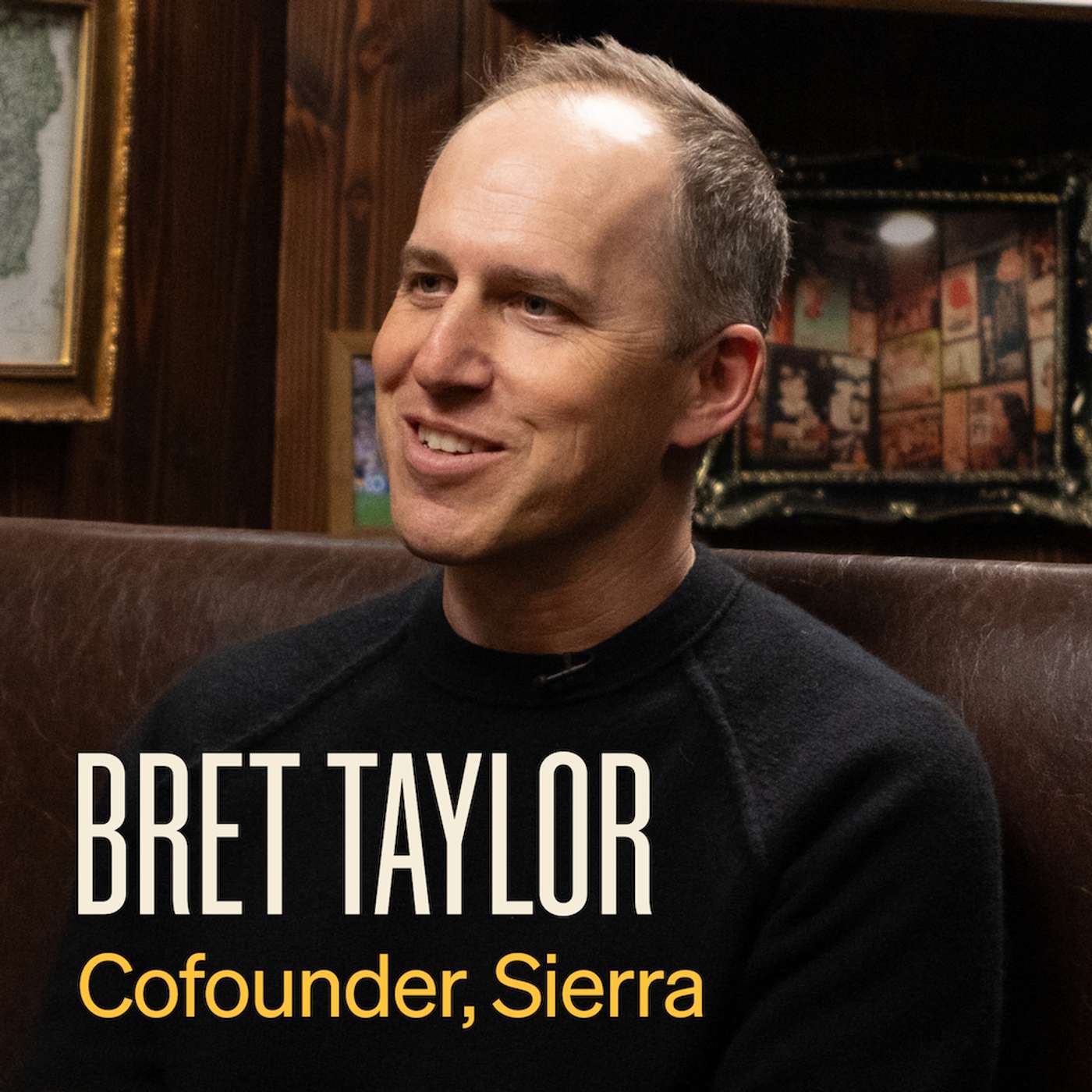
Simply adding a generative AI co-pilot is now table stakes for SaaS companies. The founder argues the next evolution is 'agentic AI' — systems that don't just provide insights but autonomously perform tasks and make decisions for the user, like qualifying and actioning a sales lead.

Legacy systems like CRMs will lose their central role. A new, dynamic 'agent layer' will sit above them, interpreting user intent and executing tasks across multiple tools. This layer, which collapses the distance between intent and action, will become the primary place where work gets done.
SaaS products like Salesforce won't be easily ripped out. The real danger is that new AI agents will operate across all SaaS tools, becoming the primary user interface and capturing the next wave of value. This relegates existing SaaS platforms to a lower, less valuable infrastructure layer.
If AI agents are delegated to choose the optimal software for a task, they will constantly evaluate and switch between vendors based on performance and cost. This dynamic breaks the long-term customer relationships and enterprise lock-in that SaaS companies rely on, effectively commoditizing the software market and destroying brand loyalty.