Get your free personalized podcast brief
We scan new podcasts and send you the top 5 insights daily.
While users building their own tools is a risk, the more profound disruption comes from AI agents performing knowledge work autonomously. This could eliminate the need for human-centric software like project management tools entirely, as agents handle tasks, tracking, and completion without manual input.

Related Insights
Generative AI primarily changes an app's user interface, but agentic AI can bypass UIs entirely to complete tasks. This makes transaction-fulfillment apps, which constitute a huge portion of the market, vulnerable to being replaced by agents that act directly on a user's behalf.

Ubiquitous local AI agents that can script any service and reverse-engineer APIs fundamentally threaten the SaaS recurring revenue model. If software lock-in becomes impossible, business models may shift back to selling expensive, open hardware as a one-time asset, a return to the "shrink wrap" era.

The value in software is shifting from SaaS platforms (like CRMs) to the AI agent layer that automates work on top of them. This will turn established SaaS companies into simple data repositories, or "hooks," diminishing their stickiness and pricing power as agents can easily migrate data.

Turing's CEO claims SaaS is dead for two reasons. First, powerful foundation models drastically lower the cost of building custom software internally. Second, existing SaaS products are built for human interaction via GUIs, not for AI agents that will increasingly use APIs and tool-calling functions directly.

The fundamental business model of many SaaS companies is based on per-user pricing. AI agents pose an existential threat to this model by enabling smaller teams to achieve the same output as larger ones. As companies wonder why they should pay for 100 seats when 10 people can do the work, the entire economic foundation of the SaaS industry faces a crisis.

Simply adding a generative AI co-pilot is now table stakes for SaaS companies. The founder argues the next evolution is 'agentic AI' — systems that don't just provide insights but autonomously perform tasks and make decisions for the user, like qualifying and actioning a sales lead.

The future of software isn't just AI-powered features. It's a fundamental shift from tools that assist humans to autonomous agents that perform tasks. Human roles will evolve from *doing* the work to *orchestrating* thousands of these agents.
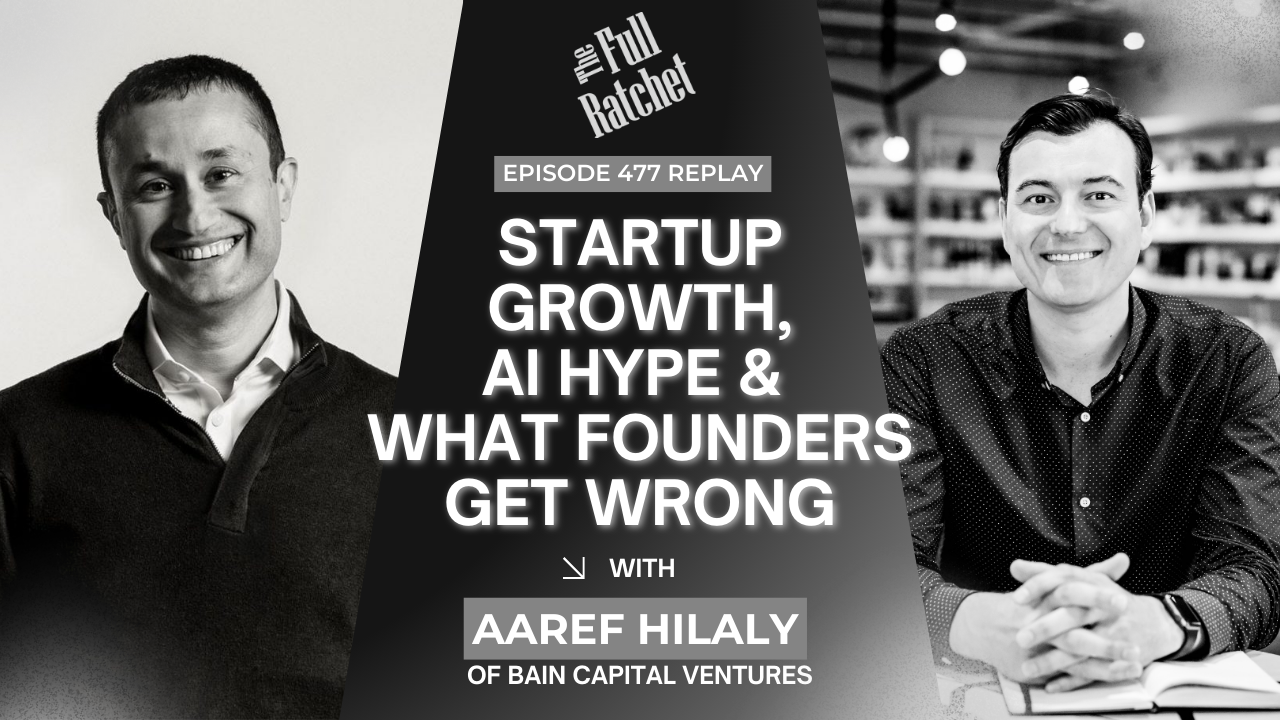
The lucrative maintenance and migration revenue streams for enterprise SaaS, which constitute up to 90% of software dollars, are under threat. AI agents and new systems are poised to aggressively shrink this market, severely impacting public SaaS companies' incremental revenue.
Instead of interacting with SaaS GUIs (like Greenhouse for hiring), users will interact with AI agents. These agents will directly manipulate the underlying system-of-record data, managing entire workflows from a simple conversation and making the traditional SaaS application redundant.
Traditional SaaS platforms derive value from their UI over a database. AI's primary threat is its ability to create personalized UIs and automate workflows on top of any database, rendering expensive, one-size-fits-all SaaS interfaces obsolete. The software becomes a commoditized backend.