Get your free personalized podcast brief
We scan new podcasts and send you the top 5 insights daily.
While acknowledging the reality of climate change and the long-term goal of renewable energy, achieving national energy independence through fossil fuels is a pragmatic short-term strategy. This approach avoids reliance on hostile foreign powers during the transition period to more sustainable sources like solar.

Related Insights
Even in a future dominated by electric power, hydrocarbons will remain essential. The entire petrochemical industry—producing plastics and other foundational materials—uses hydrocarbons as a physical feedstock, not just an energy source, making their complete replacement by electricity impossible.

China's investment in green technology is driven less by environmentalism and more by strategic goals. By dominating renewables and EVs, China reduces its dependence on foreign oil—a key vulnerability in a potential conflict with the US—while building global soft power and boosting its GDP through green tech exports.
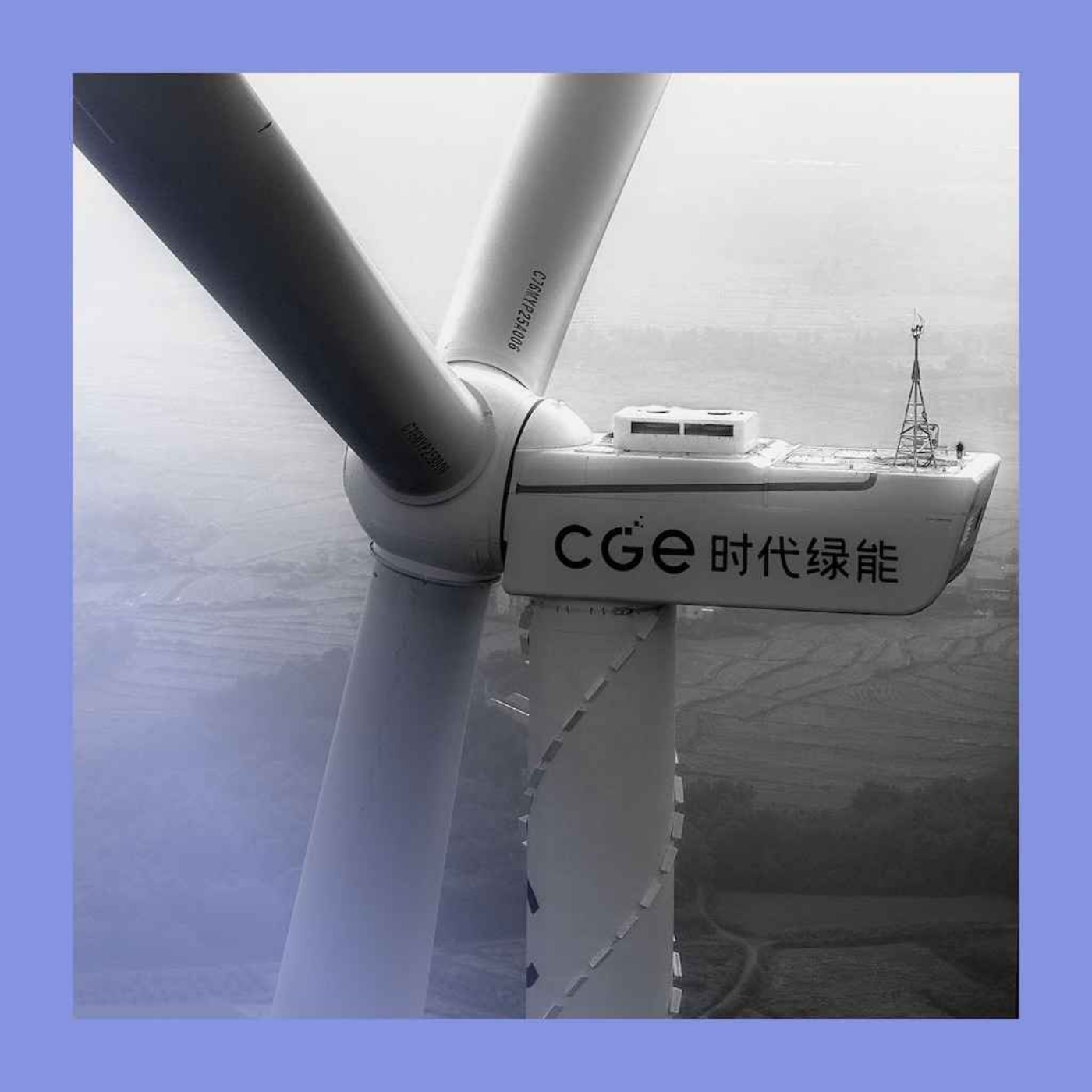
China's frantic deployment of solar is a strategic move to reduce dependence on oil imported through sea lanes it doesn't control, such as the Strait of Malacca. By becoming an 'electrostate,' China aims to neutralize a key point of economic and military leverage held by the U.S. and its allies.

Fifteen years after Fukushima, Japan is reviving its nuclear fleet due to an energy policy impasse. The country's shift to renewables proved harder and slower than anticipated, leaving it with an aging nuclear fleet and a heavy, vulnerable dependence on imported fossil fuels. The restart reflects a pragmatic, if controversial, necessity.

Poorer countries, unburdened by legacy fossil fuel infrastructure, have a unique advantage. They can bypass the dirty development path of wealthy nations and build their energy systems directly on cheaper, more efficient renewable technologies, potentially achieving energy security and economic growth faster.

The energy trilemma (clean, stable, abundant) has been reordered. Previously, 'clean' was the top priority. Now, driven by massive demand and geopolitical instability, the market and policymakers prioritize securing 'more' energy that is 'stable,' even if it means delaying decarbonization goals.

Despite the narrative of a transition to clean energy, renewables like wind and solar are supplementing, not replacing, traditional sources. Hydrocarbons' share of global energy has barely decreased, challenging the feasibility of net-zero goals and highlighting the sheer scale of global energy demand.
Faced with geopolitical uncertainty in key supplier nations, China employs a dual strategy for energy security. It has built a massive oil stockpile providing 120 days of cover for supply disruptions. Concurrently, it's rapidly electrifying its transport sector to reduce its long-term dependence on imported oil.

Regional stability is an economic necessity for oil-rich nations. Peace allows them to accelerate monetization of their finite oil reserves and reinvest the capital into diversified, future-proof economies like AI and tourism before alternative energy devalues their primary asset.

Temasek views the energy transition not as a binary switch from brown to green, but as a gradual progression through many intermediate shades. This pragmatic approach justifies investing in transitional fuels like LNG and advanced technologies like nuclear fusion, acknowledging the need for energy security and affordability.