Get your free personalized podcast brief
We scan new podcasts and send you the top 5 insights daily.
Lime's CEO Wayne Ting rejected the 'growth at all costs' mindset by first shrinking the company's footprint. He focused on fixing the core unit economics to ensure profitability at the trip level before accelerating growth. This contrarian move was key to their survival and eventual IPO in a capital-intensive industry.

Related Insights
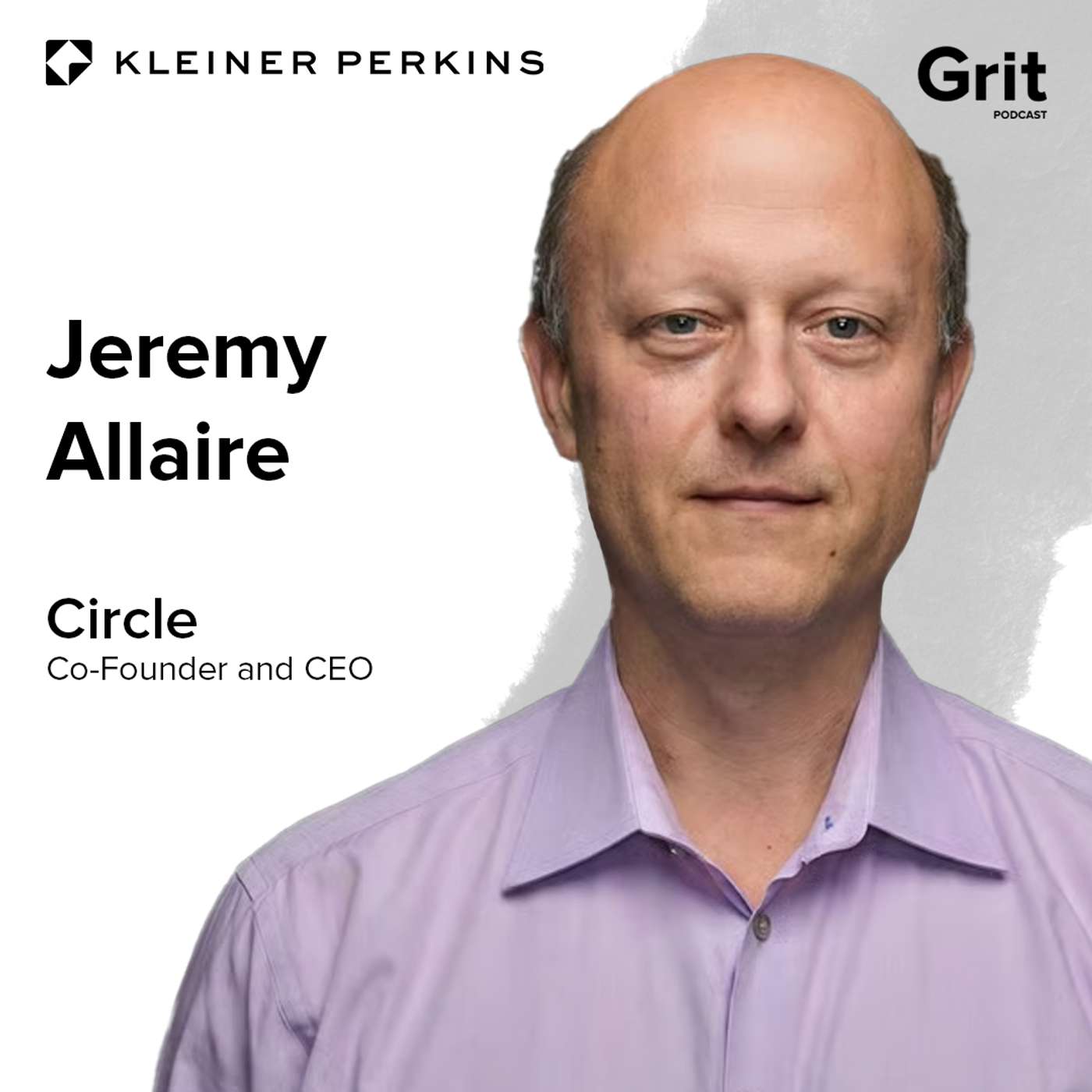
Facing a potential shutdown in 2019, Jeremy Allaire made the brutal decision to sell off non-core business units and reduce headcount from 450 to 59. This extreme focus on the core USDC product, despite the pain, saved the company and fueled its subsequent explosive growth.
After nearly failing, OpenGov adopted a frugal culture and discovered it grew faster. Less spending reduces system noise and inefficiency. A leaner, more focused sales team, for instance, can become more motivated and effective, leading to better results.

Beluga Labs adopted a small business mindset from day one, ensuring they were profitable on their very first customer. This financial discipline, counter to the "growth at all costs" mentality, keeps margins high and reduces reliance on continuous VC funding, giving the founders more control and a sustainable path forward.

Unlike companies that pursue growth at all costs, DoorDash has demonstrated a willingness to shut down operations in markets where it cannot win. This is viewed as a positive signal of capital allocation discipline and a focus on long-term profitability.

Instead of chasing massive, immediate growth, Chomps' founders focused on a sustainable, self-funded model. This gradual scaling allowed them to control their destiny, prove their model, and avoid the pressures of early-stage investors, which had burned one founder before.

To successfully launch new business lines, established companies should act like startups again. Airbnb found success by piloting new services in just one city, perfecting the model with a small user base, and only then scaling. This shrinks the problem and accelerates learning.
![Brian Chesky - AI Founder Mode - [Invest Like the Best, EP.470] thumbnail](https://megaphone.imgix.net/podcasts/6162ba8a-4843-11f1-b7b7-53d3b402f9a6/image/0f929ee6c3171280178b7ad567d250fd.jpg?ixlib=rails-4.3.1&max-w=3000&max-h=3000&fit=crop&auto=format,compress)
Contrary to the "growth at all costs" mantra, early Amazon showed that rapid scaling can be done responsibly. The key was a disciplined financial model that clearly projected how unit economics (e.g., cost of goods) would improve and lead to profitability as the company reached specific scale milestones.

The CEO rejects the cycle of repeatedly tapping capital markets, arguing it creates bad habits. Instead, he is forcing the company to be funded by its own cash flow, even if it means foregoing some growth. This "painful" discipline is seen as essential for long-term health and operational excellence.
![Opendoor: Q1 2026 Earnings - [Business Breakdowns, EP.245] thumbnail](https://megaphone.imgix.net/podcasts/abec2476-4a94-11f1-ba4c-130e07a16fae/image/fd9bcf8c49f565897d58676655031c9a.jpg?ixlib=rails-4.3.1&max-w=3000&max-h=3000&fit=crop&auto=format,compress)
Lime's IPO filing reveals a key growth metric: subscribers take six times as many trips as casual users. For an asset-heavy business, this dramatically improves vehicle utilization and revenue per day. This shows that for usage-based models, converting users to a subscription is the fastest way to cover fixed costs and achieve profitability.

Many founders believe growing top-line revenue will solve their bottom-line profit issues. However, if the underlying business model is unprofitable, scaling revenue simply scales the losses. The focus should be on fixing profitability at the current size before pursuing growth.