Get your free personalized podcast brief
We scan new podcasts and send you the top 5 insights daily.
Rather than continuously raising venture capital, Bespoke used its contracts with government entities as collateral to secure bank loans in Japan. This provides a faster, non-dilutive funding alternative for profitable startups with stable, long-term government revenue, preserving founder equity.

Related Insights
Instead of raising dilutive equity, RealDefense uses debt to acquire companies. Lenders base the loan amount (typically 2-4x EBITDA) on the combined EBITDA of both the acquiring and target companies, allowing the business to fund growth while founders retain ownership.

CoreWeave's co-founder explains their innovative financing strategy: bundling GPU infrastructure with long-term revenue contracts to create a financeable asset. This approach, common for power plants, allowed them to raise $8.5B in investment-grade debt for their capital-intensive business.

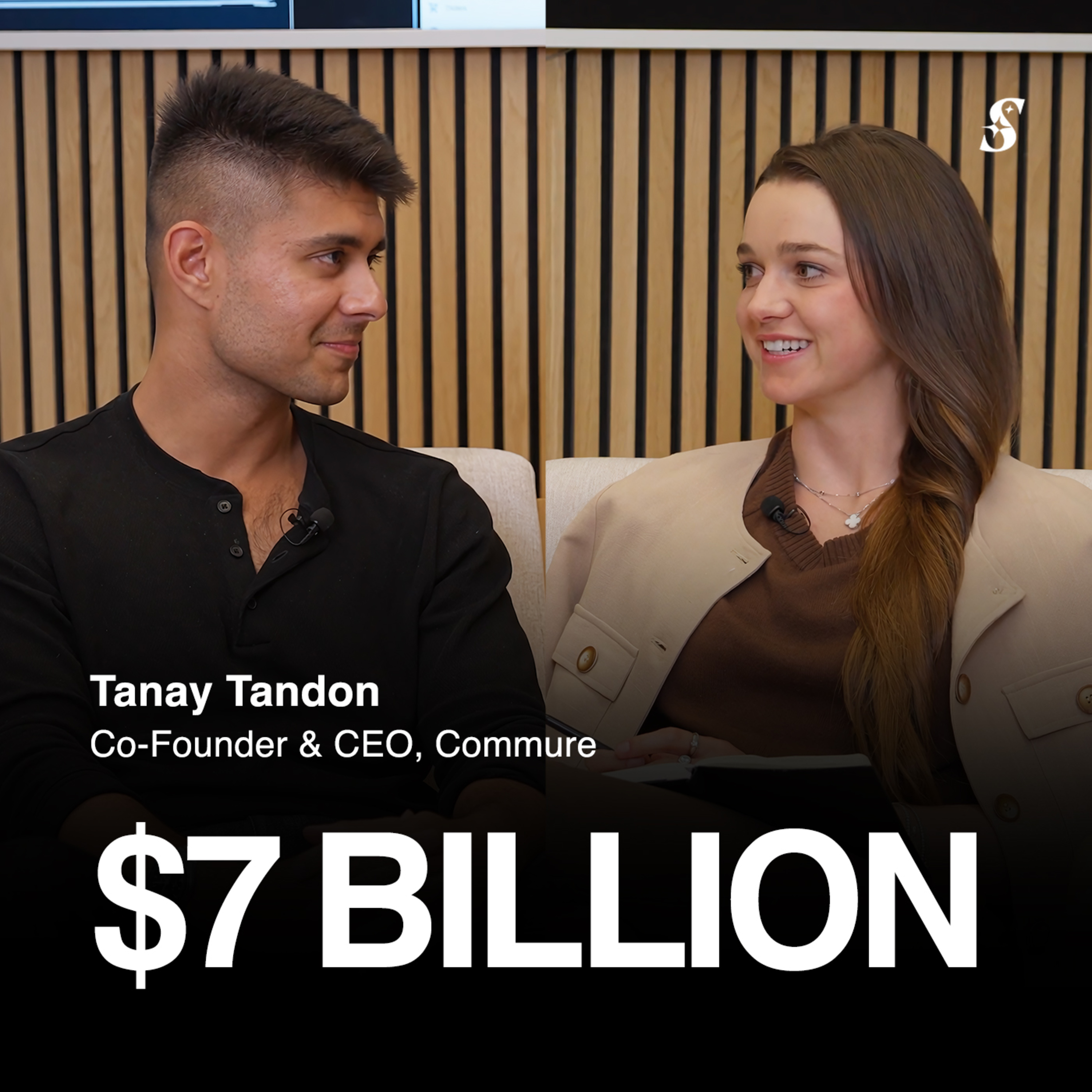
Commure uses General Catalyst's CVF to fund GTM expansion by borrowing against future SaaS cohort performance. This non-dilutive credit avoids putting the company's balance sheet at risk, reserving equity-funded cash for long-term R&D instead.
To bridge its translational research gap, Japan’s Agency of Medical Research and Development offers a unique fund. For qualified startups, it matches every dollar of venture capital investment with two dollars of non-dilutive government funding, providing crucial capital to advance early-stage assets without giving up equity.

VC funding provides crucial leverage for securing non-dilutive grants. Many government grants operate on a reimbursement basis, requiring startups to spend capital first. Venture funding provides this necessary upfront cash, enabling hardware companies to access a powerful, complementary source of capital.

Unlike in the US, early-stage Japanese startups, including high-risk biotech ventures, can secure low-interest, long-term loans from regional banks. This provides a powerful source of non-dilutive capital, allowing founders to extend runway while preserving equity.

For asset-heavy hard tech companies, debt is most effective not as a bridge to the next equity round, but to finance long-lived assets (e.g., machinery) that are directly tied to contracted revenue. This approach de-risks the loan and supports scalable growth without excessive equity dilution, a sharp contrast to SaaS venture debt norms.
Startups in capital-intensive sectors like defense don't need to rely solely on venture equity to build factories. A large government contract can be leveraged to secure significant project financing from other financial partners, preserving equity for R&D and growth.

CoreWeave mitigates the risk of its massive debt load by securing long-term contracts from investment-grade customers like Microsoft *before* building new infrastructure. These contracts serve as collateral, ensuring that each project's financing is backed by guaranteed revenue streams, making their growth model far less speculative.

To fund his first factory, Harrison McCain secured capital from five sources, including a bank loan, a federal subsidy (by forming a co-op on the spot), a provincial bond guarantee, and a local tax exemption. This masterclass in creative financing allowed the business to launch without diluting equity.
![[Outliers] Harrison McCain: How to Create Demand for Something Nobody Wants thumbnail](https://megaphone.imgix.net/podcasts/9c0d00ea-df1d-11ef-9477-2b8336fcd8e9/image/113a058265322df92ae562c548d1dc8f.jpg?ixlib=rails-4.3.1&max-w=3000&max-h=3000&fit=crop&auto=format,compress)