Get your free personalized podcast brief
We scan new podcasts and send you the top 5 insights daily.
Max Levchin lives by the mentality of endurance cyclist Jens Voigt. This mindset is about pushing through pain in a competitive environment with the belief that your suffering is a sign that your competitors are hurting even more. It’s a powerful psychological tool for maintaining persistence and an edge in business challenges.

Related Insights
True competitive belief is not the delusion that you'll win every time. It's the persistent conviction that you *can* win, even against seasoned champions. This “chip on the shoulder” mentality fuels the underdog energy needed to create upsets and build momentum.

Instead of being discouraged by negativity or skepticism from rivals, view it as evidence that you are a threat. This mental reframe transforms a potential deterrent into fuel for motivation, validating that your performance is making an impact and pushing you to strive for more.

Nike founder Phil Knight intentionally cultivated contempt for the market leader, Adidas. He framed them as an arrogant monster, not just for personal motivation, but to create a powerful "us versus them" narrative that drove his entire team with a singular competitive focus.

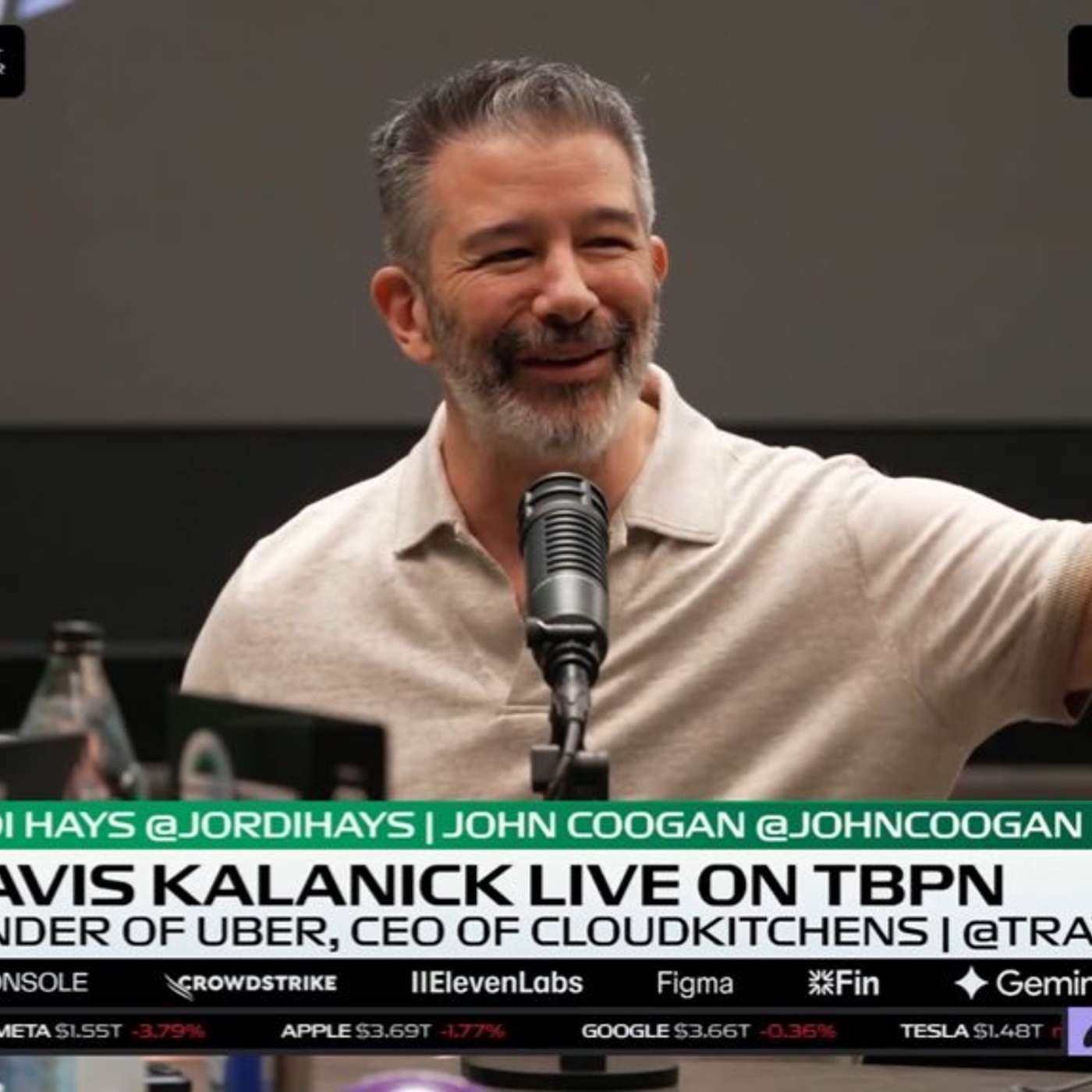
Kalanick believes that if a critical process like fundraising feels easy, you've left value on the table. Excellence requires pushing until it hurts, like a marathoner at mile 21. Ease signifies you could have gone harder, been more competitive, and extracted more value from the situation.
To gain a competitive edge, especially during critical periods, salespeople should adopt a blue-collar mentality. This means coming in early, staying late, confronting adversity directly, and always making one more call. It's an unwavering commitment to outworking everyone else through disciplined, daily effort.

Gates employed a zero-sum competitive mindset. He believed losing a $50,000 contract wasn't just a $50k loss for Microsoft, but a $100,000 negative swing because the competitor gained that same amount. This mental model fueled his ruthless drive to not just win, but to eliminate opponents from the market.

The ability to endure immediate discomfort—like late-night coaching calls or red-eye flights—is a hallmark of high achievers. They consciously trade short-term pain for a clearly envisioned long-term benefit, whether it's a stronger client relationship, improved skills, or business growth.

Supporting a perennially losing sports team builds resilience and a love for the struggle, core traits of an entrepreneur. Deriving self-esteem from a winning team is a crutch, whereas embracing the pain, grind, and hardship of losing builds the character necessary to succeed in business.

Tennis champion Roger Federer's practice of never dwelling on the last missed shot serves as a powerful metaphor for business. Leaders should cultivate the discipline to move on from setbacks immediately and maintain a forward-looking mindset, even when losing.

Motivation from negative sources like resentment or proving others wrong (“dirty fuel”) can be a highly effective and persistent driver of achievement. While purpose-driven “clean fuel” may be healthier, the practical utility of a never-expiring chip on the shoulder should not be underestimated.
